
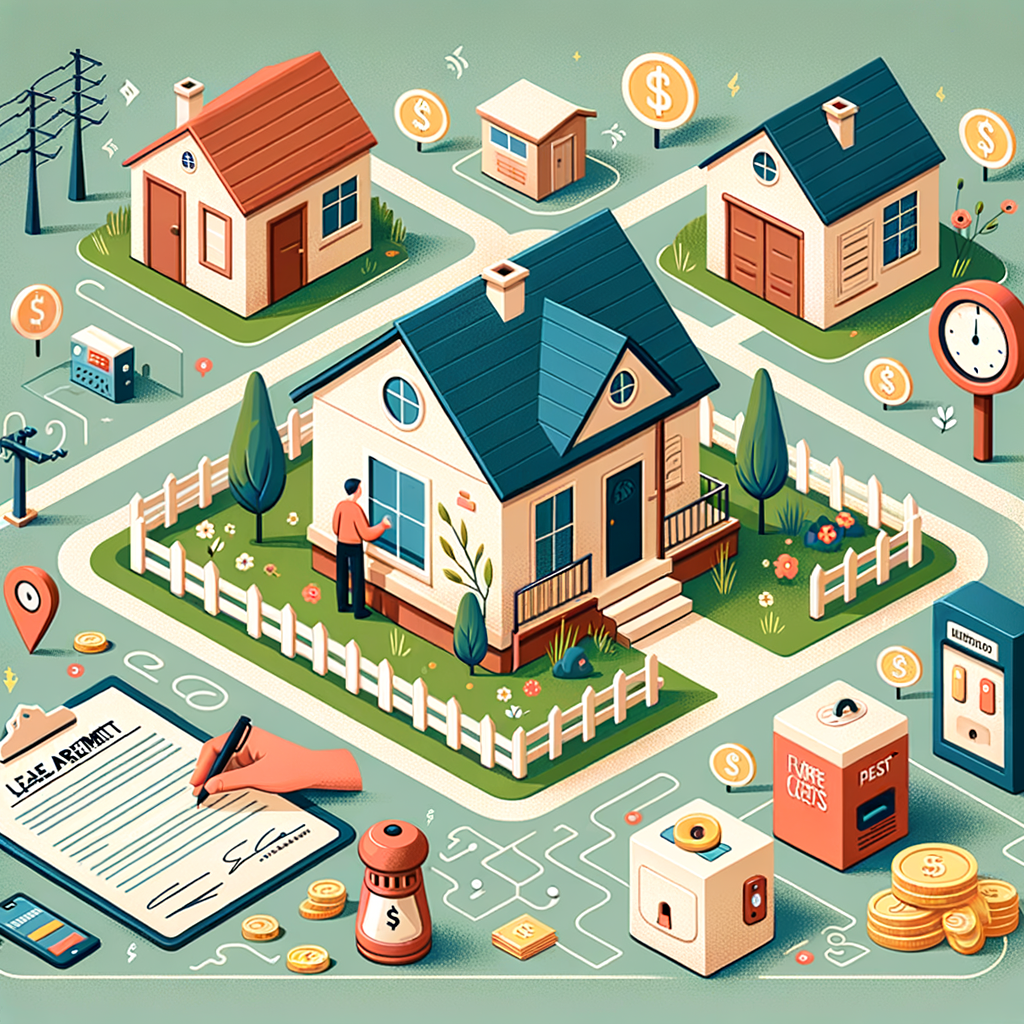
Single-Family Homes for Rent: What to Expect
Renting a single-family home can be an appealing option for many, offering more space, privacy, and flexibility compared to apartment living. Whether you are relocating for a job, needing more room for a growing family, or simply looking for a change of scenery, understanding what to expect when renting a single-family home can help you make an informed decision. This article explores various aspects of renting a single-family home, including benefits, potential costs, and important considerations.
Benefits of Renting a Single-Family Home
Single-family homes offer numerous advantages that are worth considering. These include:
- More Space: Generally, single-family homes provide more living space than other rental options, including larger bedrooms, more storage space, and often a private yard.
- Privacy: With no shared walls, floors, or ceilings, single-family homes offer greater privacy compared to apartments or townhouses.
- Community: These homes are often located in residential neighborhoods that offer a strong sense of community and better access to amenities like parks, schools, and shopping.
- Personalization: Renters of single-family homes may have more flexibility to personalize their living space, depending on the landlord’s policies regarding modifications and decorations.
Cost Considerations
While renting a single-family home has its perks, there are also cost considerations that should be taken into account:
- Rent: Typically, the rent for a single-family home is higher than that of an apartment. The price can vary widely depending on location, size, and condition of the property.
- Utilities: Renters are usually responsible for all utilities, including water, electricity, gas, and internet. These costs can be significantly higher than those in a smaller apartment.
- Maintenance: Some landlords may require tenants to handle basic maintenance such as lawn care, snow removal, and minor repairs.
- Security Deposit: Security deposits for single-family homes can be higher than those for apartments, often equivalent to one or two months of rent.
Lease Agreements and Negotiations
Understanding and negotiating the lease agreement is crucial when renting a single-family home. Key elements to consider include:
- Lease Duration: Single-family home leases are typically for one year, but longer or shorter terms can sometimes be negotiated.
- Rent Increases: Check if the lease specifies rent increases and under what conditions these would occur.
- Maintenance Responsibilities: Clearly understand what maintenance you are responsible for and what falls to the landlord.
- Subletting: If you think you might need to sublet in the future, check the lease terms to see if it’s allowed.
Inspecting the Property
Before signing a lease, thoroughly inspect the property to avoid any future disputes or surprises. Look for:
- General Condition: Check for signs of damage or wear and ensure all appliances and systems are in working order.
- Safety Features: Ensure that smoke detectors, carbon monoxide detectors, and fire extinguishers are present and functional.
- Pest Problems: Look for signs of pest infestations, which can be a serious issue in single-family homes.
Conclusion
Renting a single-family home can be a rewarding experience that combines the freedom of having your own space with the flexibility of renting. By understanding the associated costs, lease terms, and what to inspect, you can find a home that meets your needs and provides a comfortable environment for you and your family.
Leave a Reply