
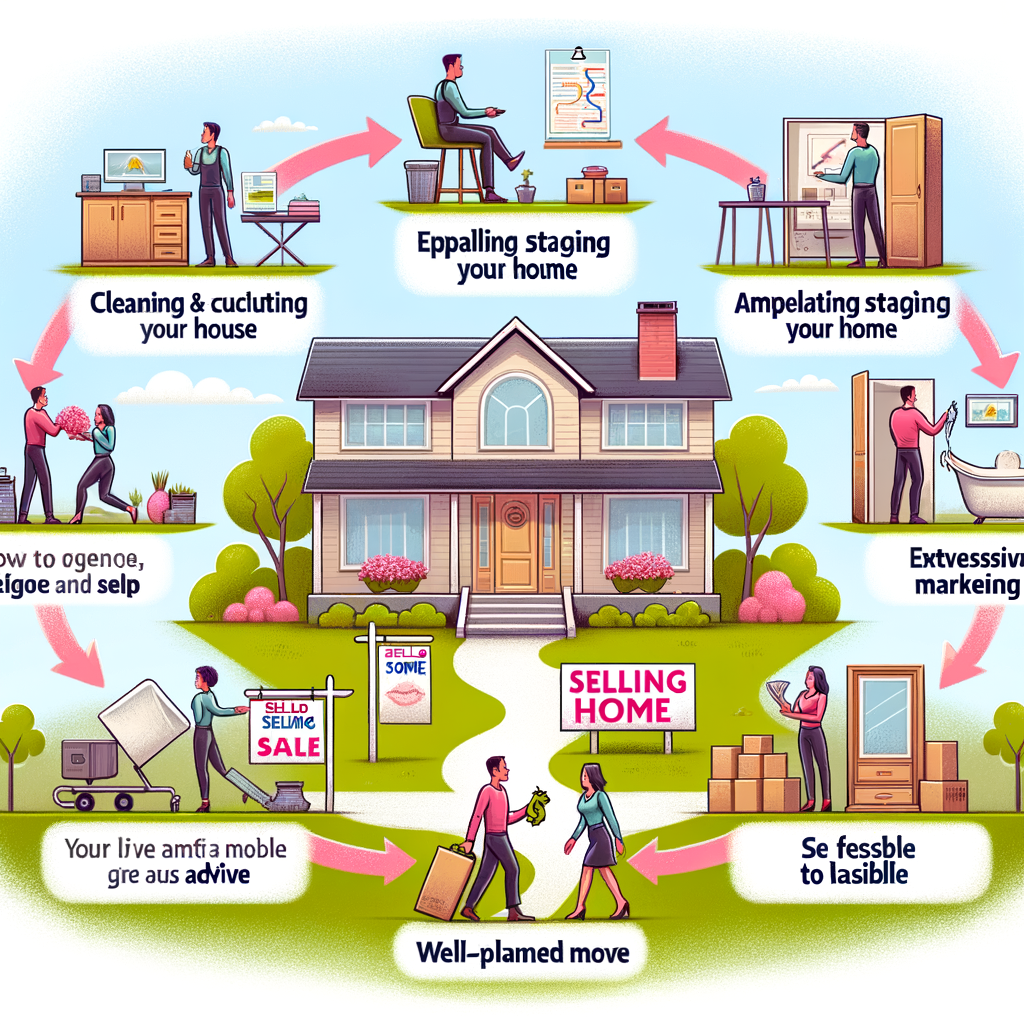
1. Prepare Your Home for Sale
First impressions matter. Before listing your home, take time to declutter, clean, and make necessary repairs. A well-maintained home attracts more buyers and can increase your property’s value. Consider repainting walls in neutral tones, fixing leaky faucets, and replacing outdated fixtures. Small improvements can make a big difference in how your home is perceived.
2. Set the Right Price
Pricing your home correctly is crucial. Overpricing can lead to your property sitting on the market too long, while underpricing may result in lost profits. Research comparable homes in your area or work with a real estate agent to determine a competitive price. A professional appraisal can also provide valuable insight into your home’s market value.
3. Stage Your Home to Impress
Home staging helps potential buyers envision themselves living in your space. Arrange furniture to highlight your home’s best features, add fresh flowers, and ensure each room feels inviting. If possible, hire a professional stager who can bring an objective eye and design expertise to the process.
4. Market Effectively
In today’s digital age, online visibility is key. High-quality photos, virtual tours, and detailed descriptions can make your listing stand out. Share your listing on multiple platforms, including real estate websites and social media. Don’t underestimate the power of word-of-mouth—let friends, family, and neighbors know your home is for sale.
5. Work with a Trusted Real Estate Agent
An experienced real estate agent can guide you through every step of the selling process. They can help with pricing, marketing, negotiations, and paperwork. Choose an agent who understands your local market and communicates clearly. A good agent can save you time, reduce stress, and help you achieve the best possible outcome.
6. Be Flexible with Showings
Buyers often have busy schedules, so being flexible with showings can increase your chances of selling quickly. Keep your home clean and ready for last-minute visits. The more accessible your property is, the more potential buyers will see it.
7. Negotiate Smartly
When offers start coming in, take time to review each one carefully. Consider not only the price but also the terms, contingencies, and closing timeline. Your agent can help you evaluate offers and negotiate effectively to reach an agreement that meets your needs.
8. Prepare for Closing
Once you’ve accepted an offer, the closing process begins. Be prepared to handle inspections, appraisals, and final paperwork. Stay organized and responsive to avoid delays. Working closely with your agent and attorney can ensure a smooth transaction.
9. Manage Your Emotions
Selling a home can be emotional, especially if you’ve lived there for many years. Try to view the process as a business transaction and focus on your future goals. Keeping a positive attitude will help you stay calm and make rational decisions.
10. Plan Your Move
Once your home is sold, plan your move early to avoid last-minute stress. Hire reputable movers, pack systematically, and update your address with important institutions. A well-organized move will help you transition smoothly into your new home.
Conclusion
Selling your home doesn’t have to be a stressful experience. With careful planning, professional guidance, and a proactive approach, you can navigate the process confidently. By preparing your home, setting the right price, and staying flexible, you’ll be well on your way to a successful and stress-free sale.
Leave a Reply