
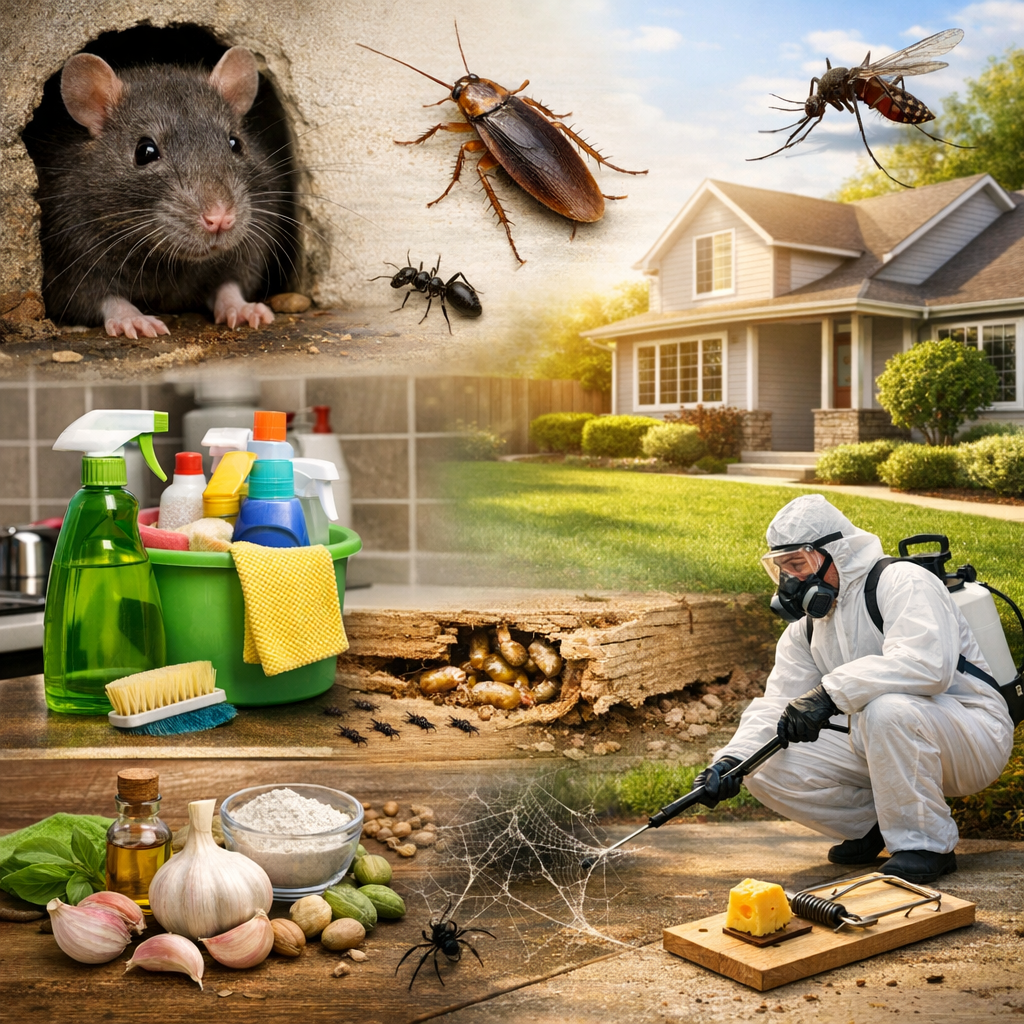
Common Household Pests
Different pests thrive in various environments, but some are more common in residential areas. These include:
- Ants: Often attracted to food and moisture, ants can invade kitchens and pantries.
- Rodents: Mice and rats can chew through wires, contaminate food, and spread diseases.
- Termites: Known for damaging wooden structures, termites can compromise the integrity of your home.
- Cockroaches: These pests are resilient and can trigger allergies and asthma.
- Bed Bugs: Small but persistent, bed bugs feed on human blood and can be difficult to eradicate.
Preventive Measures
Prevention is the most effective form of pest control. By maintaining cleanliness and addressing potential entry points, you can significantly reduce the risk of infestations. Consider the following preventive steps:
- Seal cracks and gaps around windows, doors, and foundations.
- Store food in airtight containers and clean up spills promptly.
- Dispose of garbage regularly and keep trash bins tightly closed.
- Fix leaky pipes and eliminate standing water to deter insects.
- Trim vegetation and keep firewood away from your home’s exterior.
Signs of an Infestation
Recognizing the early signs of a pest problem can help you take action before it worsens. Common indicators include:
- Droppings or urine stains in hidden areas.
- Gnaw marks on furniture, wires, or food packaging.
- Unusual odors or scratching noises in walls or ceilings.
- Visible insects or nests in corners, basements, or attics.
Professional Pest Control Solutions
While DIY methods can help manage minor pest issues, severe infestations often require professional intervention. Licensed pest control experts have the knowledge, tools, and treatments to safely and effectively eliminate pests. They can also provide ongoing maintenance plans to prevent future problems.
Eco-Friendly Pest Control Options
Environmentally conscious homeowners can opt for eco-friendly pest control methods. These include using natural repellents, biological controls, and non-toxic traps. Integrated Pest Management (IPM) strategies focus on long-term prevention and minimal use of chemical pesticides, ensuring safety for both humans and pets.
Maintaining a Pest-Free Home
Consistent maintenance is key to keeping pests away. Regular inspections, proper sanitation, and prompt repairs can make your home less inviting to unwanted guests. Educating family members about pest prevention practices also helps maintain a clean and healthy environment.
By taking proactive steps and seeking professional help when necessary, you can protect your home from infestations and enjoy a safe, comfortable living space year-round.
Leave a Reply