
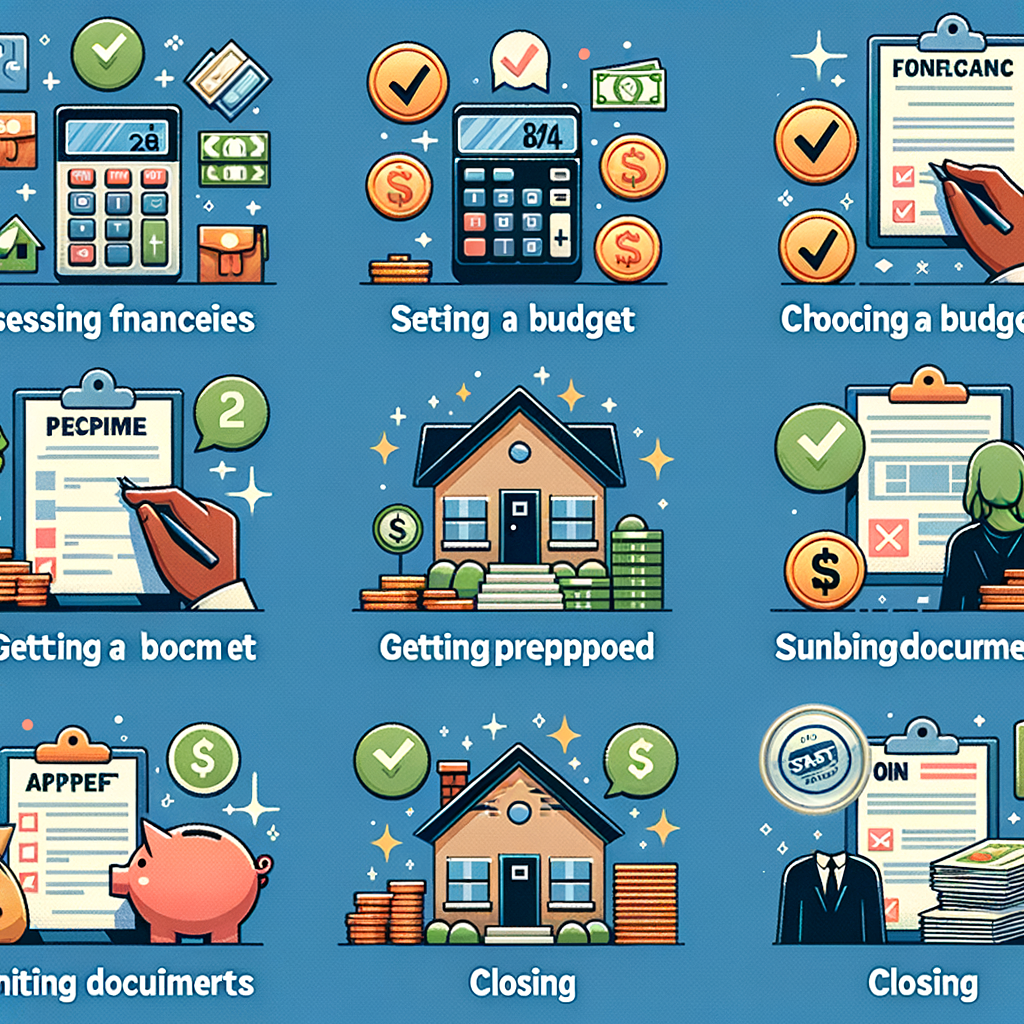
1. Assessing Your Financial Readiness
Before applying for a mortgage, it’s essential to evaluate your financial health. Lenders will review your credit score, income, debt-to-income ratio, and savings. A strong credit profile and stable income increase your chances of approval and may qualify you for lower interest rates. Take time to pay down existing debts, correct any credit report errors, and build a sufficient savings cushion for your down payment and closing costs.
2. Determining Your Budget
Knowing how much you can afford is crucial. Use online mortgage calculators to estimate monthly payments based on different loan amounts, interest rates, and terms. Remember to factor in property taxes, homeowners insurance, and maintenance costs. Setting a realistic budget ensures you don’t overextend yourself financially.
3. Choosing the Right Mortgage Type
There are several types of mortgages available, each with unique features. Fixed-rate mortgages offer consistent payments over the life of the loan, while adjustable-rate mortgages may start with lower rates that can change over time. Government-backed loans, such as FHA, VA, or USDA loans, may provide more flexible qualification requirements. Research your options carefully to find the best fit for your financial situation and long-term goals.
4. Getting Pre-Approved
Pre-approval is a critical step that shows sellers you are a serious buyer. During this process, a lender reviews your financial information and provides a conditional commitment for a specific loan amount. Having a pre-approval letter can give you a competitive edge in a hot housing market and help you focus your home search within your price range.
5. Gathering Documentation
Lenders require detailed documentation to verify your financial status. Common documents include recent pay stubs, W-2 forms, tax returns, bank statements, and identification. Organizing these materials in advance can streamline the application process and prevent delays.
6. Submitting Your Application
Once you’ve chosen a lender and found a property, you’ll complete a formal mortgage application. The lender will conduct a thorough review of your financial background, employment history, and creditworthiness. Be prepared to answer questions and provide additional documentation if requested.
7. The Underwriting Process
Underwriting is the stage where the lender assesses the risk of approving your loan. The underwriter verifies all information, orders an appraisal of the property, and ensures the loan meets internal and regulatory guidelines. This process can take several weeks, depending on the complexity of your application.
8. Closing the Loan
Once your loan is approved, you’ll move to the closing stage. You’ll review and sign final documents, pay closing costs, and finalize the transaction. After closing, the lender funds the loan, and you officially become the homeowner. It’s important to review all documents carefully and ask questions about any terms you don’t understand.
9. Post-Closing Considerations
After closing, keep copies of all your mortgage documents for future reference. Set up a reliable system for making monthly payments on time to maintain your credit standing. Consider setting up automatic payments or reminders to avoid missed payments. You may also want to explore options for refinancing in the future if interest rates drop or your financial situation changes.
Conclusion
Navigating the mortgage application process can seem daunting, but with preparation and understanding, it becomes manageable. By assessing your finances, choosing the right loan, and staying organized throughout the process, you can move confidently toward homeownership. Taking the time to educate yourself and work closely with your lender will help ensure a smooth and successful mortgage experience.
Leave a Reply