
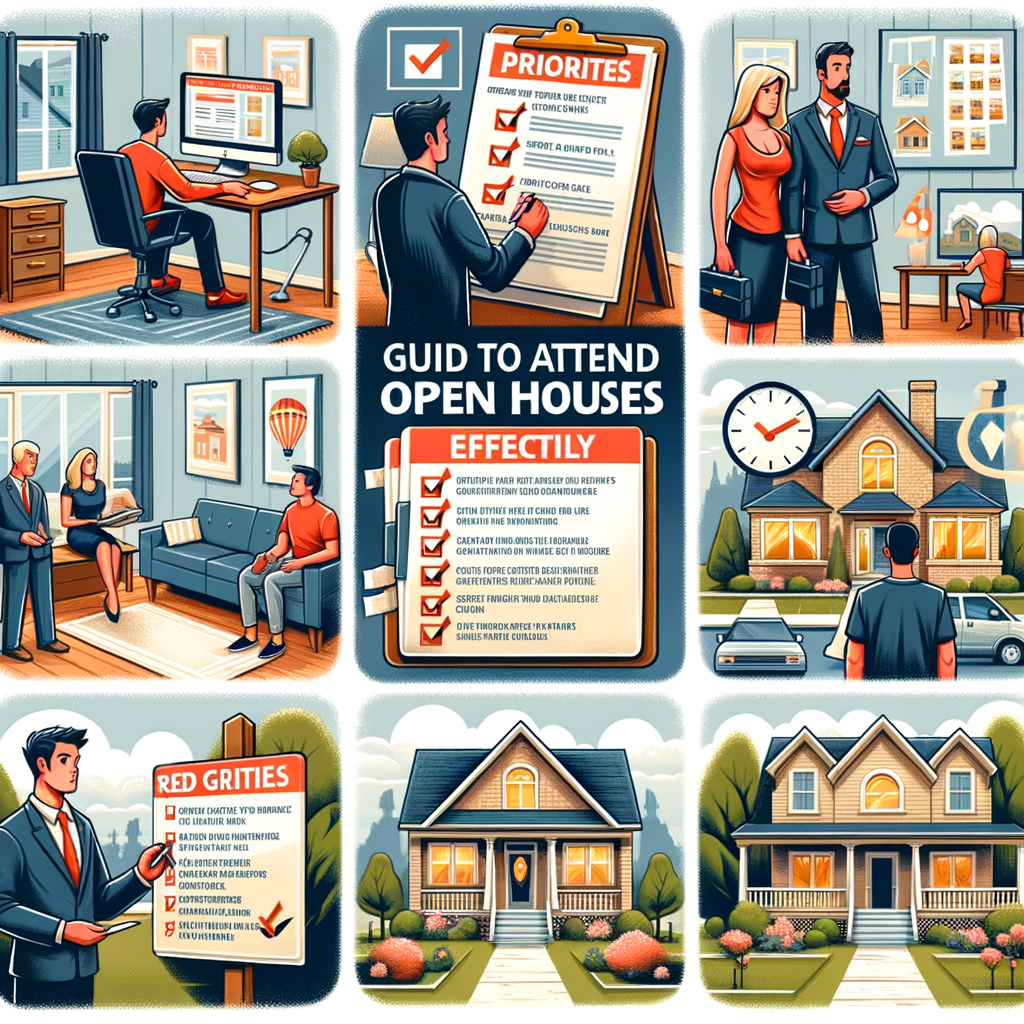
1. Do Your Research Beforehand
Before stepping into any open house, research the area and property details. Review online listings, check recent sales in the neighborhood, and understand the local market trends. Knowing the average price per square foot and the property’s history can help you gauge whether it’s priced fairly and worth your time.
2. Create a Checklist of Priorities
Every buyer has unique needs and preferences. Make a list of must-haves, nice-to-haves, and deal-breakers. Consider factors such as location, number of bedrooms, layout, outdoor space, and proximity to schools or workplaces. Having a clear checklist helps you stay focused and prevents emotional decisions during the visit.
3. Arrive Early and Observe the Neighborhood
Arriving a few minutes early gives you the opportunity to assess the neighborhood. Take note of traffic, noise levels, and the general upkeep of nearby homes. A well-maintained community often reflects pride of ownership and can influence long-term property value.
4. Take Notes and Photos
After visiting several open houses, details can blur together. Bring a notebook or use your phone to jot down observations and take photos (with permission). Record impressions about the layout, lighting, storage space, and any potential issues such as outdated fixtures or signs of wear.
5. Ask the Right Questions
Don’t hesitate to engage with the listing agent. Ask about the home’s age, recent renovations, utility costs, and any known issues. Inquire about the seller’s timeline and whether there have been previous offers. The answers can provide valuable insight into the property’s condition and the seller’s motivation.
6. Pay Attention to Red Flags
While open houses are designed to showcase a property’s best features, it’s important to look beyond the surface. Be alert for signs of water damage, cracks in walls, uneven floors, or strong odors that might indicate hidden problems. These could signal costly repairs down the line.
7. Respect the Space and Other Visitors
Be courteous during your visit. Follow any posted rules, remove your shoes if requested, and avoid touching personal belongings. Allow other visitors space to explore and keep conversations polite and professional.
8. Evaluate Your Impressions Objectively
After leaving the open house, take a few minutes to reflect. Compare your notes against your checklist and consider how the property aligns with your budget and lifestyle. Avoid making snap decisions based solely on aesthetics—focus on long-term suitability and potential resale value.
9. Follow Up Strategically
If a property stands out, contact your real estate agent promptly to discuss next steps. They can help you gather additional information, schedule a private showing, or prepare an offer if you’re ready to move forward. Acting quickly can be crucial in competitive markets.
Conclusion
Open houses offer a valuable opportunity to explore potential homes and gather insights about the market. By preparing in advance, staying observant, and asking thoughtful questions, you can make informed decisions and move closer to finding the right home. With the right approach, each open house becomes a step toward achieving your homeownership goals.
Leave a Reply