
<article>
  <h1>Navigating Closing Costs: Hidden Fees to Watch For</h1>
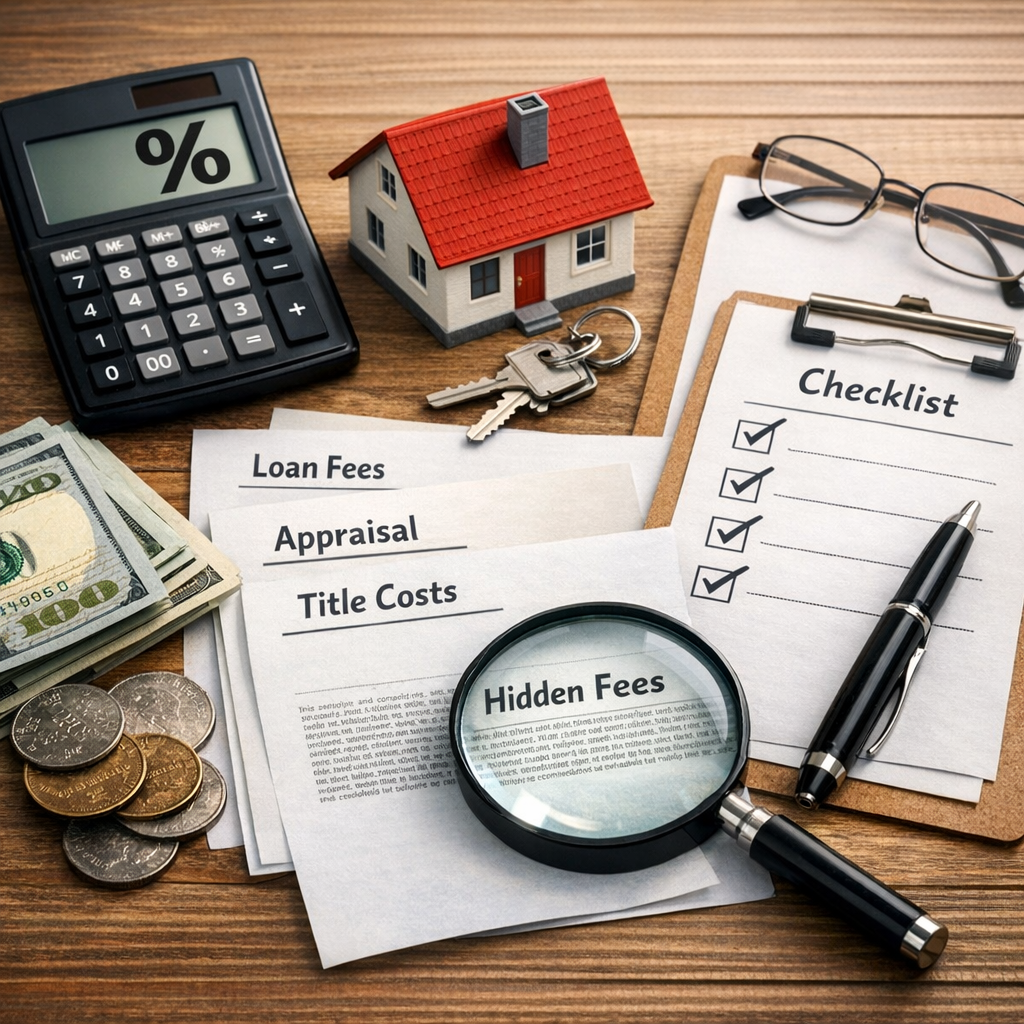
  <p>Buying a home is one of the most significant financial decisions most people make, and while the purchase price often takes center stage, closing costs can add a surprising amount to the final bill. Understanding these costs—and the hidden fees that sometimes accompany them—can help you budget accurately and avoid unpleasant surprises at the closing table.</p>

  <h2>What Are Closing Costs?</h2>
  <p>Closing costs are the fees and expenses paid when finalizing a real estate transaction. They typically range from 2% to 5% of the home’s purchase price and cover services such as loan origination, title searches, appraisals, and insurance. Both buyers and sellers may be responsible for certain costs, depending on the terms of the sale and local regulations.</p>

  <h2>Common Closing Costs</h2>
  <ul>
    <li><strong>Loan Origination Fees:</strong> Charged by lenders for processing and underwriting your mortgage application.</li>
    <li><strong>Appraisal Fees:</strong> Paid to a professional appraiser to determine the property’s market value.</li>
    <li><strong>Title Search and Insurance:</strong> Ensures the property’s title is clear of liens or disputes and protects against future claims.</li>
    <li><strong>Recording Fees:</strong> Charged by local governments to record the property transfer.</li>
    <li><strong>Escrow Fees:</strong> Paid to the escrow company managing the transaction and holding funds until closing.</li>
  </ul>

  <h2>Hidden Fees to Watch For</h2>
  <p>While many closing costs are standard, some fees can be unexpected or inflated. Being aware of these potential hidden charges can save you money and frustration.</p>
  <ul>
    <li><strong>Courier and Administrative Fees:</strong> Some lenders or title companies charge for document delivery or processing, which can often be negotiated or waived.</li>
    <li><strong>Rate Lock Fees:</strong> If you choose to lock in your mortgage rate for an extended period, you may be charged a fee for the guarantee.</li>
    <li><strong>Credit Report Fees:</strong> Lenders typically check your credit, but some may charge more than the actual cost of obtaining the report.</li>
    <li><strong>Flood Certification Fees:</strong> A small but sometimes overlooked cost to determine if the property lies in a flood zone.</li>
    <li><strong>Homeowners Association (HOA) Transfer Fees:</strong> If the property is part of an HOA, there may be administrative fees for transferring ownership.</li>
  </ul>

  <h2>How to Minimize Closing Costs</h2>
  <p>Fortunately, buyers have several strategies to reduce or manage closing costs. Start by requesting a <em>Loan Estimate</em> from your lender, which outlines expected fees. Compare estimates from multiple lenders to identify discrepancies or inflated charges. You can also negotiate with the seller to cover part of the closing costs or ask your lender about no-closing-cost loan options, which roll fees into the loan balance or interest rate.</p>

  <h2>Final Thoughts</h2>
  <p>Closing costs are an inevitable part of buying a home, but they don’t have to catch you off guard. By understanding what’s included, identifying hidden fees, and negotiating where possible, you can approach the closing process with confidence and financial clarity. Preparation and transparency are key to ensuring your home purchase ends on a positive note.</p>
</article>
Discover more from My-Rebo Your One-Stop Real Estate Marketplace
Subscribe to get the latest posts sent to your email.
Leave a Reply