
<article>
  <h1>Multi-Generational Homes: Bringing Families Together</h1>
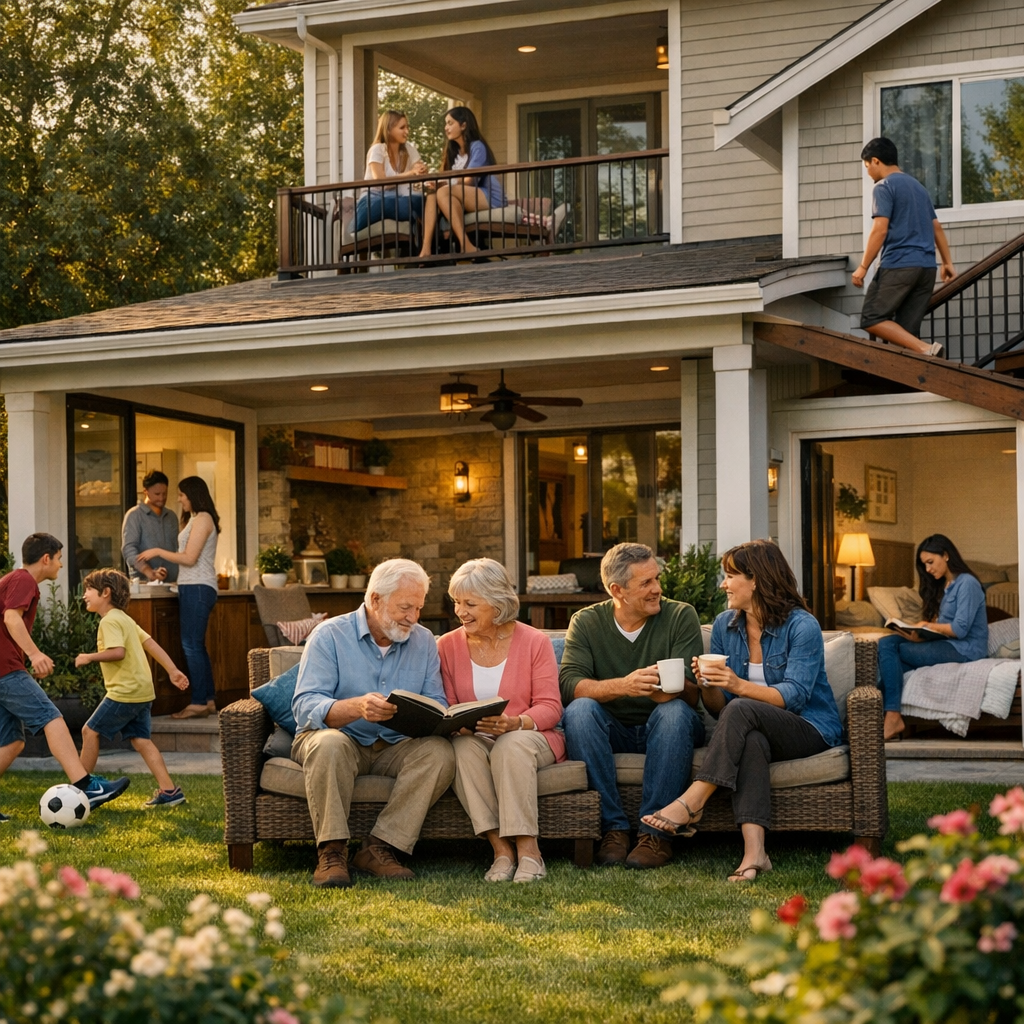
  <p>In recent years, the concept of multi-generational living has gained renewed attention as families seek stronger connections, financial stability, and shared support systems. A multi-generational home typically includes two or more generations living under one roof, such as grandparents, parents, and children. This arrangement, while traditional in many cultures, is experiencing a modern resurgence for a variety of social and economic reasons.</p>

  <h2>The Rise of Multi-Generational Living</h2>
  <p>Economic pressures, rising housing costs, and the desire for closer family ties have all contributed to the increase in multi-generational households. According to housing studies, more families are choosing to live together to share expenses, provide childcare, and care for aging relatives. This approach not only reduces financial strain but also fosters a sense of unity and mutual support.</p>

  <h2>Benefits of Multi-Generational Homes</h2>
  <p>Living in a multi-generational home offers numerous advantages. Financially, families can pool resources to afford larger or better-located homes. Emotionally, the arrangement strengthens family bonds and provides a built-in support network. Grandparents can play an active role in their grandchildren’s upbringing, while parents benefit from additional help with childcare and household responsibilities. For older adults, living with family can reduce feelings of isolation and improve overall well-being.</p>

  <h2>Challenges and Considerations</h2>
  <p>While the benefits are significant, multi-generational living also presents challenges. Privacy can become an issue when multiple generations share common spaces. Differing lifestyles, schedules, and parenting styles may lead to conflicts. To address these challenges, families must establish clear boundaries, open communication, and respect for each member’s needs and preferences. Designing homes with separate living areas or private suites can also help maintain harmony.</p>

  <h2>Designing Homes for Multiple Generations</h2>
  <p>Architects and builders are increasingly recognizing the demand for homes that accommodate multiple generations. Features such as dual master suites, accessible bathrooms, and flexible living spaces make it easier for families to live comfortably together. Some homes include separate entrances or kitchenette areas to provide independence while maintaining proximity. Thoughtful design ensures that every family member feels both connected and respected.</p>

  <h2>The Cultural and Emotional Impact</h2>
  <p>Beyond practical considerations, multi-generational living reinforces cultural traditions and values. It allows families to pass down stories, customs, and life lessons from one generation to the next. Children benefit from the wisdom and experience of their elders, while older family members find purpose and joy in remaining active participants in family life. This intergenerational exchange strengthens the family unit and enriches daily living.</p>

  <h2>Conclusion</h2>
  <p>Multi-generational homes represent more than just a housing trend—they embody a return to community, connection, and shared responsibility. As families continue to adapt to changing economic and social landscapes, living together across generations offers a sustainable and fulfilling way to thrive. By embracing cooperation, thoughtful design, and mutual respect, families can create homes that truly bring generations together under one roof.</p>
</article>
Discover more from My-Rebo Your One-Stop Real Estate Marketplace
Subscribe to get the latest posts sent to your email.
Leave a Reply