
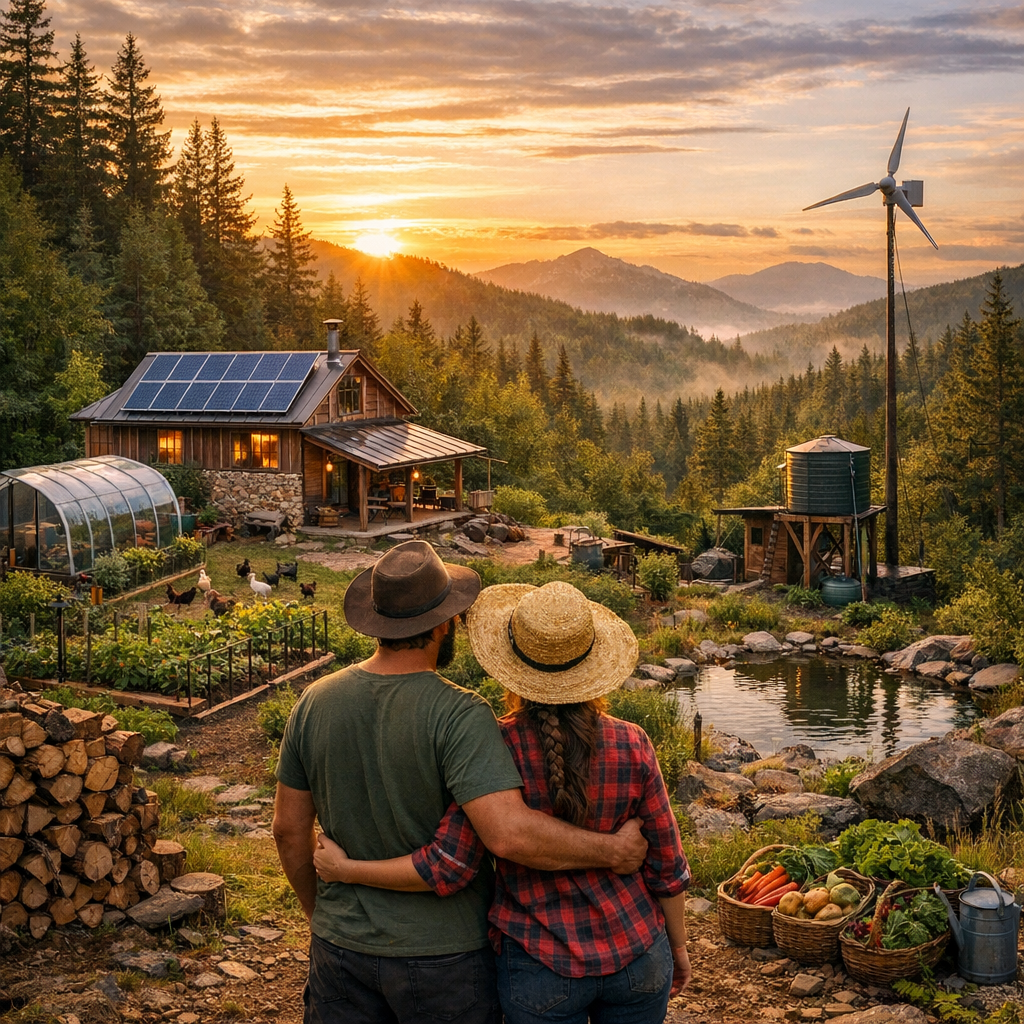
Living off the grid has become a dream for many seeking independence, sustainability, and a deeper connection with nature. For us, it was more than a dream—it was a challenge to create a self-sufficient lifestyle that aligned with our values. Our journey began with a simple idea: to build a home that could operate independently from public utilities while maintaining comfort and functionality.
Choosing the Right Location
The first step in our off-grid adventure was finding the perfect location. We wanted a place that offered natural beauty, access to resources, and enough sunlight for solar energy. After months of searching, we found a remote piece of land surrounded by forest and bordered by a small stream. The isolation was both exciting and intimidating, but it provided the perfect foundation for our self-sufficient home.
Designing and Building the Home
Designing our off-grid home required careful planning. We focused on energy efficiency, natural materials, and adaptability to the environment. The house was built using locally sourced timber and stone, with thick insulation to maintain temperature stability. Large south-facing windows allowed for passive solar heating, while a compact layout minimized energy waste.
Construction took longer than expected due to the remote location and limited access to heavy machinery. However, the process taught us valuable lessons about patience, problem-solving, and teamwork. Every nail, beam, and panel represented a step toward independence.
Powering Our Home
Electricity was one of the biggest challenges. We installed a solar power system with battery storage to provide consistent energy throughout the year. During cloudy days or extended winters, a small backup generator ensured we never ran out of power. Over time, we learned to manage our energy consumption efficiently, prioritizing essential appliances and using energy-saving devices.
Water and Waste Management
Our water supply came from a combination of rainwater collection and a nearby spring. We installed a filtration system to ensure clean drinking water and used gravity-fed plumbing to reduce the need for electric pumps. For waste management, we built a composting toilet and a greywater system that recycled water for irrigation. These systems not only reduced our environmental impact but also made us more aware of our daily consumption habits.
Food Production and Sustainability
Growing our own food became one of the most rewarding aspects of off-grid living. We started with a small vegetable garden and gradually expanded to include fruit trees, herbs, and a greenhouse for year-round produce. Chickens provided eggs, and beekeeping offered honey while supporting local pollination. Each harvest reinforced our connection to the land and our appreciation for sustainable living.
Challenges and Lessons Learned
Living off the grid is not without its difficulties. Harsh weather, equipment maintenance, and occasional isolation tested our resilience. However, these challenges strengthened our problem-solving skills and deepened our respect for nature’s power. We learned to adapt, plan ahead, and find creative solutions to unexpected problems.
The Rewards of Off-Grid Living
Despite the challenges, the rewards have been immense. The peace and quiet of our surroundings, the satisfaction of producing our own energy and food, and the freedom from monthly utility bills have made the journey worthwhile. We’ve gained a profound sense of independence and fulfillment that’s hard to find in conventional living.
Conclusion
Building and thriving in an off-grid home has been one of the most transformative experiences of our lives. It has taught us self-reliance, sustainability, and gratitude for the resources we often take for granted. While it’s not a lifestyle suited for everyone, for those willing to embrace the challenges, living off the grid offers a unique path to freedom, simplicity, and harmony with nature.
Leave a Reply