
<article>
  <h1>LGBTQ+ Homebuyers: Finding Welcoming Communities</h1>
  <p>Buying a home is one of life’s most significant milestones, but for LGBTQ+ individuals and families, the process can come with unique challenges. Beyond financial considerations, finding a community that is inclusive, safe, and affirming is often a top priority. Understanding how to identify welcoming neighborhoods and navigate the homebuying process with confidence can make all the difference.</p>

  <h2>Understanding the Importance of Inclusive Communities</h2>
  <p>For many LGBTQ+ homebuyers, the sense of belonging and safety within a community is just as important as the home itself. Inclusive neighborhoods often foster acceptance, celebrate diversity, and provide access to supportive resources. These communities can offer peace of mind and a sense of connection that enhances overall quality of life.</p>

  <h2>Researching Potential Neighborhoods</h2>
  <p>Before beginning the home search, it’s helpful to research areas known for their inclusivity. Look for cities or towns with active LGBTQ+ organizations, pride events, and anti-discrimination ordinances. Online resources, such as local advocacy groups and community forums, can provide valuable insights into the lived experiences of residents.</p>
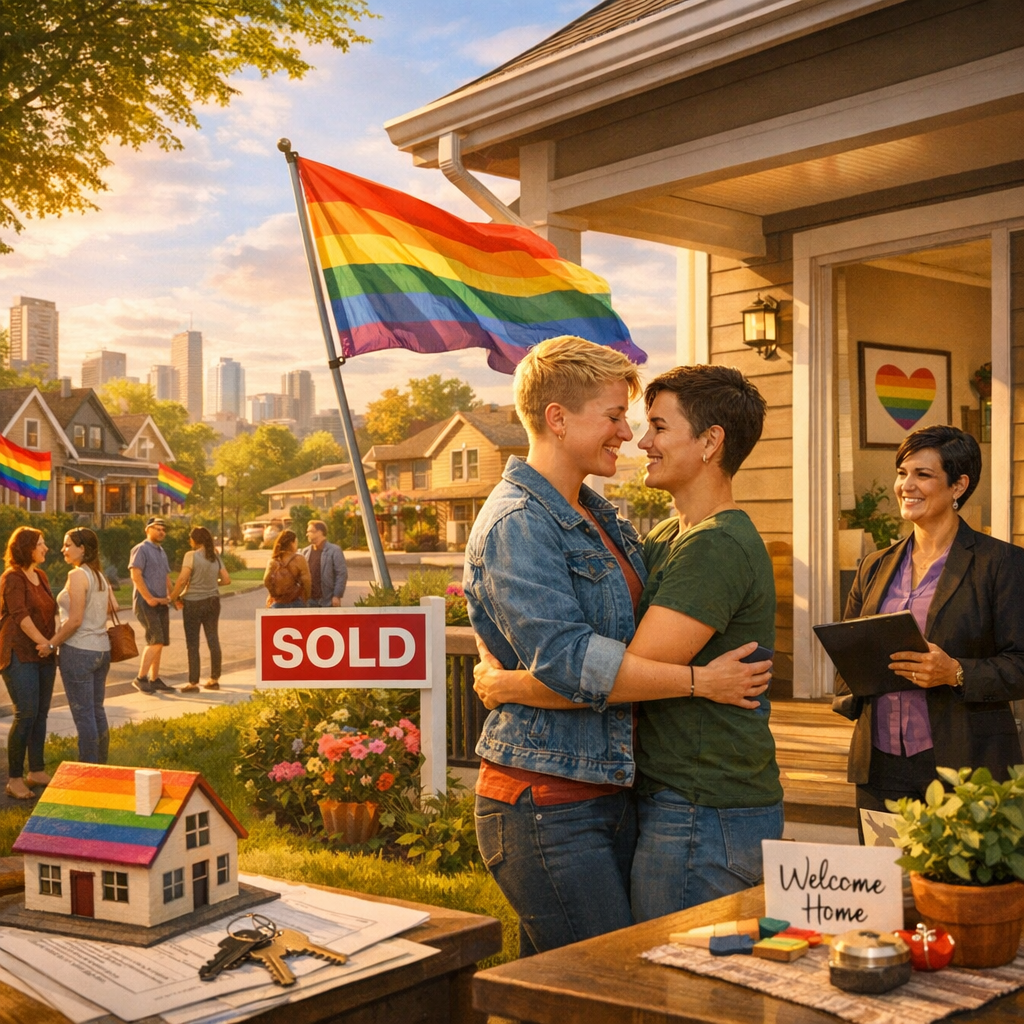
  <p>Additionally, consider visiting neighborhoods in person. Attend local events, explore community centers, and talk to residents to get a feel for the area’s atmosphere. A welcoming community will often display visible signs of support, such as inclusive businesses, pride flags, and community initiatives that promote equality.</p>

  <h2>Working with LGBTQ+-Friendly Real Estate Professionals</h2>
  <p>Partnering with a real estate agent who understands the needs of LGBTQ+ clients can make the process smoother and more comfortable. Many agents specialize in serving diverse communities and can offer guidance on neighborhoods that align with your values. Look for professionals who are members of organizations like the National Association of Gay and Lesbian Real Estate Professionals (NAGLREP) or who have demonstrated a commitment to inclusivity.</p>

  <h2>Legal Protections and Fair Housing</h2>
  <p>While federal law prohibits housing discrimination based on sexual orientation and gender identity, enforcement and awareness can vary by region. It’s important to understand your rights under the Fair Housing Act and to document any instances of discrimination. Local LGBTQ+ advocacy groups and legal aid organizations can provide support and resources if issues arise during the buying process.</p>

  <h2>Building Community After the Move</h2>
  <p>Once you’ve found your new home, building connections within your community can help you feel more settled. Attend neighborhood meetings, volunteer with local organizations, and participate in events that celebrate diversity. Creating relationships with neighbors fosters mutual respect and strengthens the sense of belonging that makes a community truly welcoming.</p>

  <h2>Conclusion</h2>
  <p>For LGBTQ+ homebuyers, finding a welcoming community is about more than just location—it’s about creating a space where authenticity and acceptance thrive. By researching inclusive neighborhoods, working with supportive professionals, and engaging with local networks, you can find a home that reflects both your identity and your aspirations. With the right approach, the journey to homeownership can be empowering, affirming, and deeply rewarding.</p>
</article>
Discover more from My-Rebo Your One-Stop Real Estate Marketplace
Subscribe to get the latest posts sent to your email.
Leave a Reply