
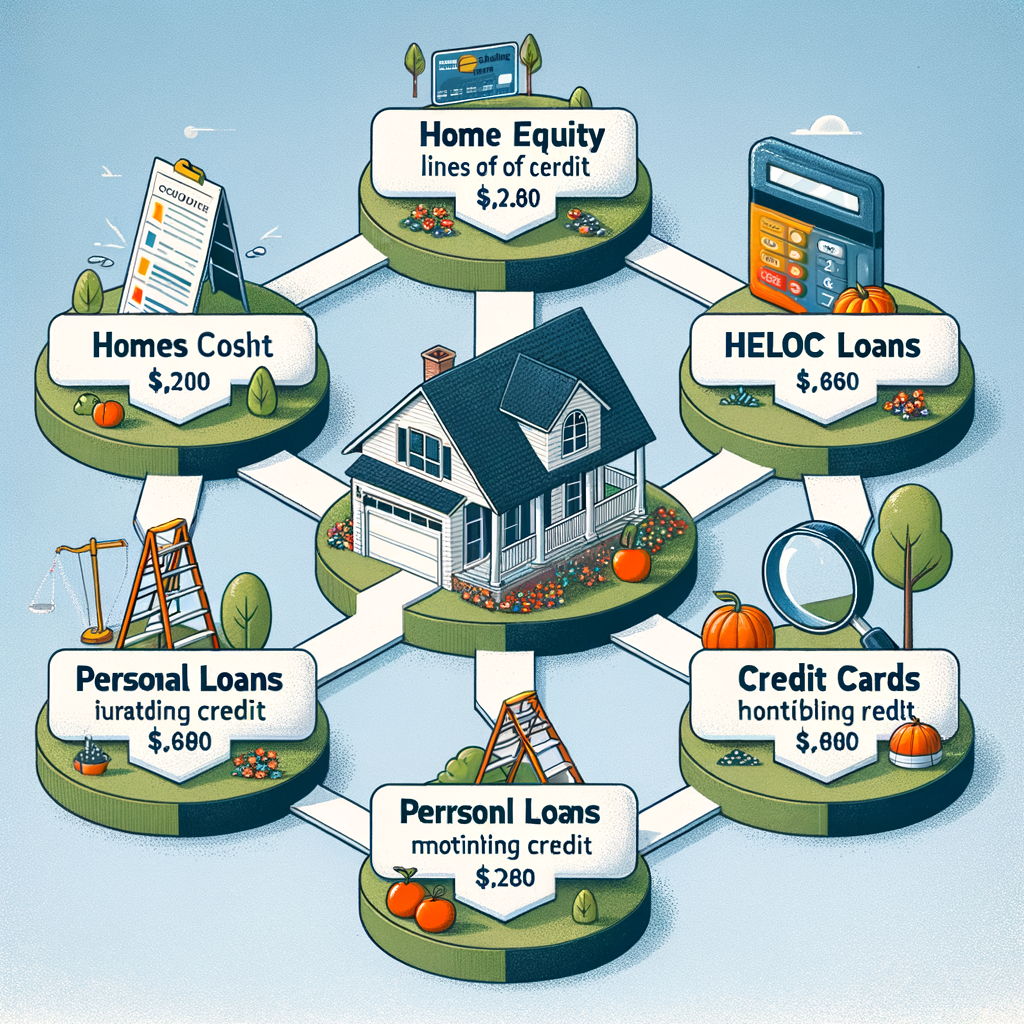
Home improvement projects can significantly enhance the comfort, functionality, and value of your home. However, these projects often come with a hefty price tag. Leveraging your credit can be a smart way to finance these improvements, allowing you to spread the cost over time. This article explores various credit options available for home improvement projects and provides tips on how to use them wisely.
Understanding Your Credit Options
Before diving into a home improvement project, it’s crucial to understand the different credit options available. Here are some common ways to finance your home improvements:
1. Home Equity Loans
A home equity loan allows you to borrow against the equity you’ve built in your home. This type of loan typically offers a fixed interest rate and a set repayment term, making it a stable option for financing large projects.
2. Home Equity Line of Credit (HELOC)
A HELOC is a revolving line of credit secured by your home’s equity. It functions similarly to a credit card, allowing you to borrow as needed up to a certain limit. HELOCs often have variable interest rates, which can fluctuate over time.
3. Personal Loans
Personal loans are unsecured loans that can be used for various purposes, including home improvements. They usually have fixed interest rates and terms, and they don’t require you to use your home as collateral.
4. Credit Cards
Credit cards can be a convenient way to finance smaller home improvement projects. Many credit cards offer introductory 0% APR periods, which can be beneficial if you plan to pay off the balance quickly.
Choosing the Right Option
When deciding which credit option to use, consider the following factors:
- Project Cost: Larger projects may benefit from the stability of a home equity loan, while smaller projects might be manageable with a credit card.
- Interest Rates: Compare interest rates across different credit options to find the most cost-effective solution.
- Repayment Terms: Consider how long you need to repay the loan and choose an option that aligns with your financial situation.
- Risk Tolerance: Using your home as collateral can be risky, so assess your comfort level with this type of loan.
Tips for Using Credit Wisely
Leveraging credit for home improvements can be beneficial, but it’s essential to use it wisely. Here are some tips to keep in mind:
- Budget Carefully: Create a detailed budget for your project to avoid overspending.
- Shop Around: Compare offers from multiple lenders to find the best terms and rates.
- Plan for Repayment: Ensure you have a clear plan for repaying the borrowed amount to avoid accumulating debt.
- Monitor Your Credit: Keep an eye on your credit score and report to ensure your borrowing doesn’t negatively impact your creditworthiness.
Conclusion
Leveraging credit for home improvement projects can be a strategic way to enhance your living space without depleting your savings. By understanding your options and using credit wisely, you can achieve your home improvement goals while maintaining financial stability.
Leave a Reply