
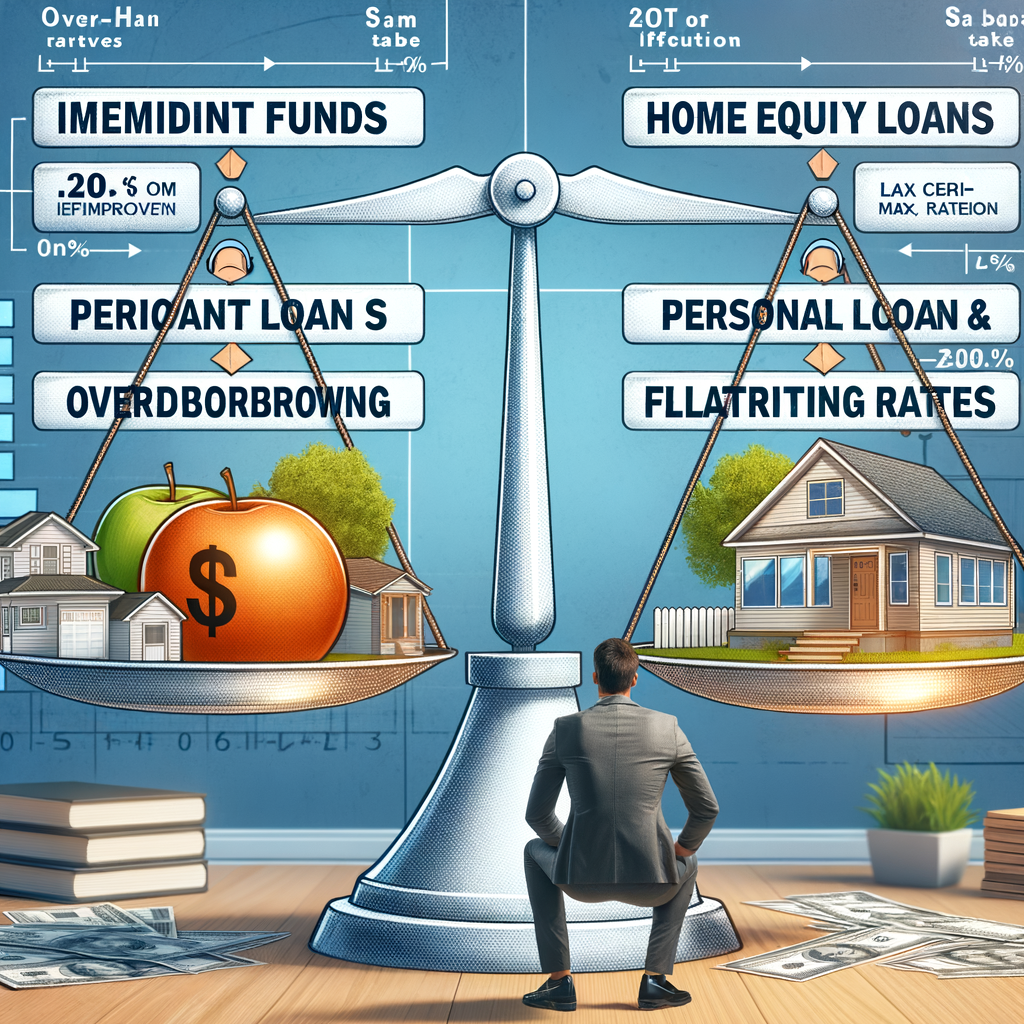
Home improvement projects can significantly enhance the comfort, aesthetics, and value of your home. However, they often come with a hefty price tag. Leveraging your credit can be a strategic way to finance these projects without depleting your savings. This article explores various credit options available for homeowners looking to undertake home improvement projects.
Understanding Your Credit Options
Before diving into a home improvement project, it’s crucial to understand the different credit options available. Here are some common ways to finance your project:
- Home Equity Loan: This is a fixed-rate loan based on the equity of your home. It provides a lump sum that you repay over a set period.
- Home Equity Line of Credit (HELOC): Similar to a credit card, a HELOC allows you to borrow against your home’s equity as needed, up to a certain limit.
- Personal Loan: An unsecured loan that doesn’t require collateral, often with higher interest rates than home equity loans.
- Credit Cards: Useful for smaller projects, especially if you can take advantage of promotional interest rates.
Evaluating Your Financial Situation
Before deciding on a credit option, evaluate your financial situation. Consider the following:
- Credit Score: A higher credit score can qualify you for better interest rates.
- Debt-to-Income Ratio: Lenders use this to assess your ability to manage monthly payments.
- Project Cost: Have a clear estimate of the total cost of your project.
- Repayment Plan: Ensure you have a feasible plan to repay the borrowed amount.
Benefits of Using Credit for Home Improvements
Using credit for home improvements can offer several advantages:
- Immediate Access to Funds: Credit allows you to start your project without waiting to save up the full amount.
- Potential Tax Benefits: Interest on home equity loans and HELOCs may be tax-deductible.
- Increase Home Value: Strategic improvements can increase your home’s market value, potentially offsetting the cost of borrowing.
Risks and Considerations
While leveraging credit can be beneficial, it’s important to be aware of the risks:
- Risk of Overborrowing: Borrowing more than you can afford to repay can lead to financial strain.
- Variable Interest Rates: Some credit options, like HELOCs, have variable rates that can increase over time.
- Impact on Credit Score: Taking on new debt can affect your credit score, especially if payments are missed.
Conclusion
Leveraging credit for home improvement projects can be a smart financial move if done carefully. By understanding your options, evaluating your financial situation, and considering the potential benefits and risks, you can make informed decisions that enhance your home and financial well-being. Always consult with a financial advisor to tailor the best strategy for your specific needs.
Leave a Reply