
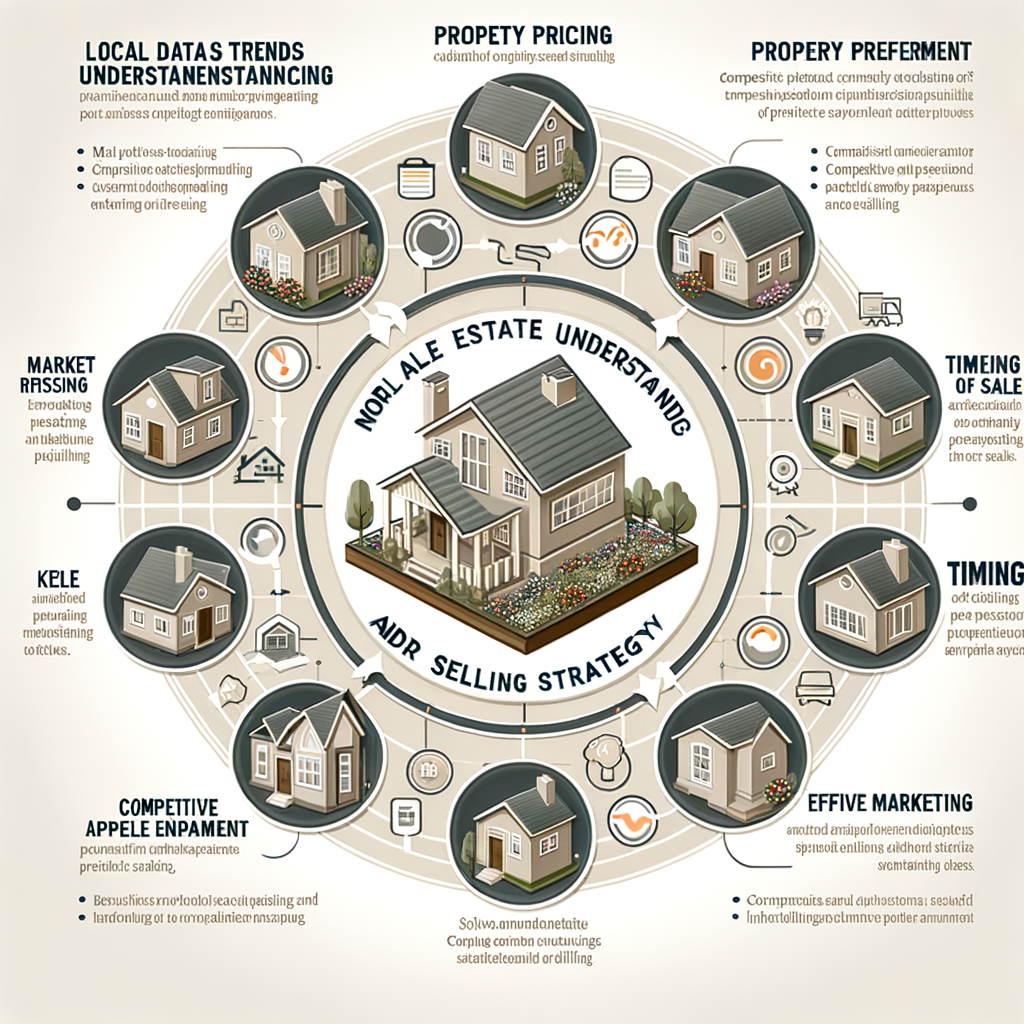
In the dynamic world of real estate, understanding and leveraging local market trends can significantly enhance your selling strategy. Whether you’re a homeowner looking to sell or a real estate agent aiming to provide the best service to your clients, staying informed about local trends is crucial. This article explores how you can effectively use local real estate trends to your advantage.
Understanding Local Real Estate Trends
Local real estate trends refer to the patterns and changes in the housing market within a specific area. These trends can include shifts in property values, buyer preferences, inventory levels, and the average time properties spend on the market. By analyzing these trends, sellers can make informed decisions about pricing, timing, and marketing strategies.
1. Analyzing Market Data
Begin by gathering data on recent sales, current listings, and historical price trends in your area. Websites like Zillow, Realtor.com, and local MLS listings can provide valuable insights. Pay attention to:
- Median Home Prices: Are they rising, falling, or stable?
- Inventory Levels: Is there a surplus or shortage of homes for sale?
- Days on Market: How long are homes typically listed before they sell?
2. Identifying Buyer Preferences
Understanding what buyers are looking for can help you tailor your property to meet their needs. Consider the following:
- Popular Features: Are buyers interested in open floor plans, energy-efficient appliances, or smart home technology?
- Neighborhood Trends: Are certain neighborhoods more desirable due to schools, amenities, or transportation links?
3. Timing Your Sale
Timing can significantly impact your selling strategy. Analyze seasonal trends to determine the best time to list your property. For example, spring and summer are traditionally busy times for real estate, but local factors can influence this pattern.
Implementing Your Selling Strategy
Once you’ve gathered and analyzed the data, it’s time to implement your strategy. Here are some steps to consider:
1. Pricing Your Property
Set a competitive price based on your market analysis. Overpricing can lead to extended time on the market, while underpricing might result in lost value. Consider hiring a professional appraiser or real estate agent to assist with pricing.
2. Enhancing Property Appeal
Make necessary improvements to align your property with buyer preferences. This could include staging your home, upgrading key features, or enhancing curb appeal.
3. Marketing Effectively
Utilize both traditional and digital marketing channels to reach potential buyers. High-quality photos, virtual tours, and engaging property descriptions can make your listing stand out. Leverage social media and real estate platforms to maximize exposure.
Conclusion
Leveraging local real estate trends is a powerful way to enhance your selling strategy. By understanding market dynamics, identifying buyer preferences, and timing your sale effectively, you can increase your chances of a successful transaction. Stay informed, be adaptable, and use data-driven insights to guide your decisions.
Leave a Reply