
Understanding Local Market Trends
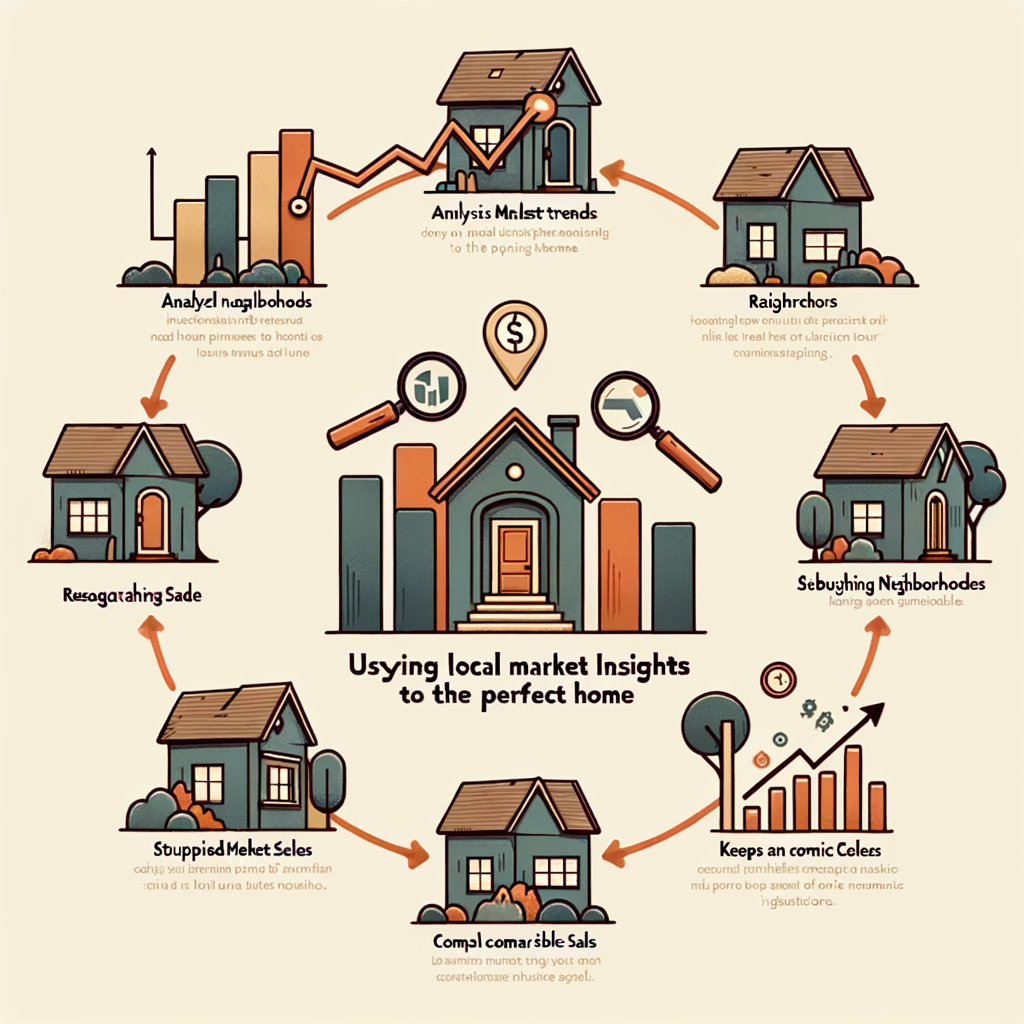
Every housing market has its own rhythm, influenced by factors such as economic growth, employment rates, infrastructure development, and community amenities. By analyzing local trends—such as average home prices, inventory levels, and days on market—you can gauge whether it’s a buyer’s or seller’s market. This knowledge helps you determine the best time to buy and what kind of negotiation leverage you may have.
Researching Neighborhood Dynamics
Beyond citywide data, neighborhood-specific insights are crucial. Factors like school quality, walkability, access to public transportation, and proximity to shopping or recreation can significantly affect property values. Local insights also reveal emerging neighborhoods where prices may be more affordable but poised for appreciation as development continues.
Utilizing Local Real Estate Professionals
Partnering with a local real estate agent or broker can provide a competitive edge. These professionals have firsthand knowledge of market conditions, upcoming listings, and community nuances that may not be visible online. They can also guide you through pricing strategies, offer comparisons, and help you navigate negotiations with confidence.
Analyzing Comparable Sales
Comparative market analysis (CMA) is a powerful tool for understanding property values. By reviewing recent sales of similar homes in the same area, you can assess whether a listing is priced fairly. Local agents often have access to detailed CMA reports that include property features, sale prices, and market timing, helping you make data-driven decisions.
Monitoring Economic and Development Indicators
Local economic indicators—such as job growth, new business openings, and infrastructure projects—can signal future shifts in housing demand. For example, a new transit line or corporate headquarters can increase property values in nearby neighborhoods. Staying informed about these developments allows you to anticipate market changes and invest strategically.
Leveraging Online Tools and Community Resources
Many online platforms provide localized data, including price trends, crime statistics, and demographic information. Additionally, community boards, local news outlets, and neighborhood associations can offer valuable perspectives on upcoming projects or zoning changes that may impact property values.
Making Data-Driven Decisions
Combining quantitative data with qualitative insights ensures a well-rounded approach to your home search. Use market reports to understand pricing trends, but also consider the lived experience of residents and the long-term potential of the area. This balance helps you make confident, informed choices that align with both your financial goals and lifestyle preferences.
Conclusion
Leveraging local market insights transforms your home search from a guessing game into a strategic process. By understanding neighborhood trends, consulting local experts, and staying informed about economic developments, you can identify the right opportunities and make decisions that support your long-term success in homeownership.
Leave a Reply