
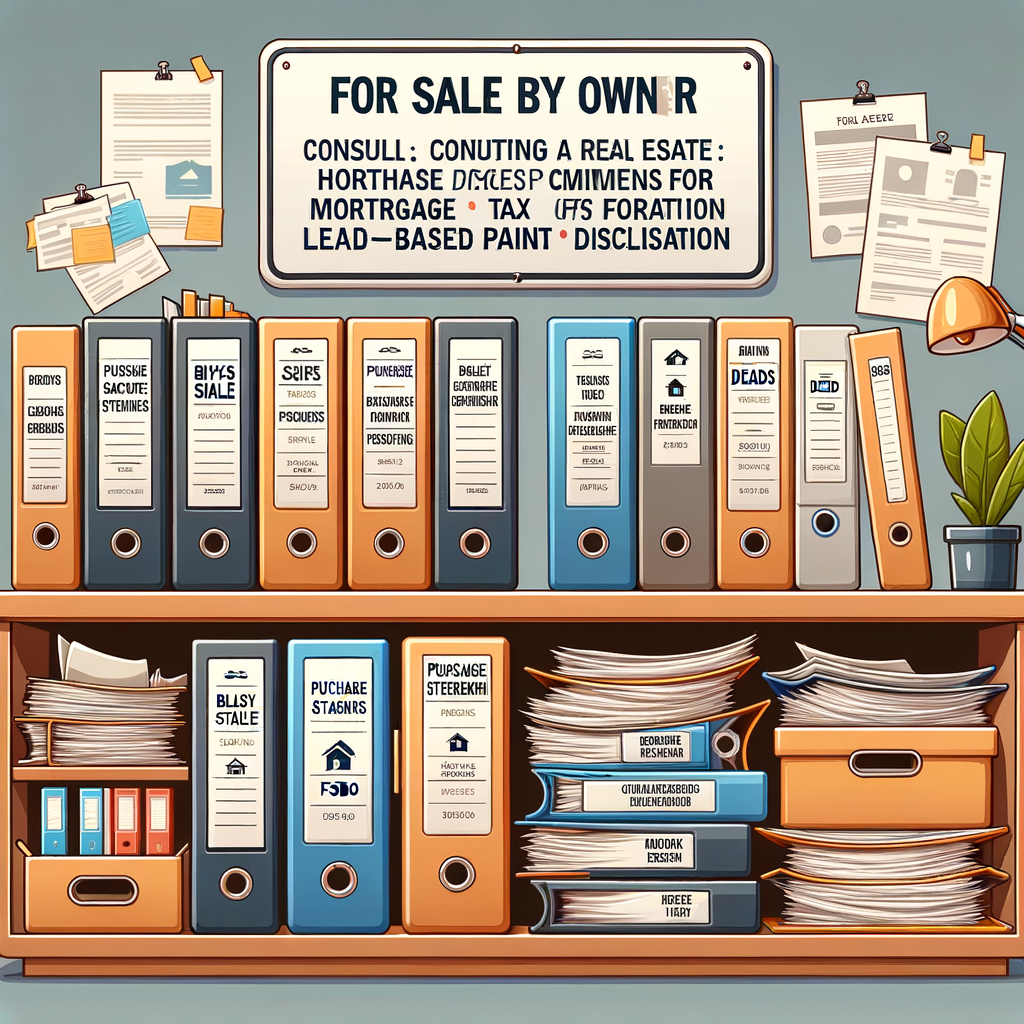
Key Legal Documents Every FSBO Seller Should Know
For Sale By Owner (FSBO) is a real estate transaction where the seller opts to sell their property without the assistance of a real estate agent. While this approach can save on commission fees, it also places the responsibility of understanding and managing the legal aspects of the sale squarely on the shoulders of the seller. Here are some essential legal documents every FSBO seller should be familiar with:
1. Disclosure Statements
Disclosure statements are crucial in any real estate transaction. These documents require sellers to reveal any known defects and other important information about the property. This might include issues with the foundation, roof, plumbing, or any infestations. Each state has different requirements for what needs to be disclosed, so it’s important to consult local laws to ensure compliance.
2. Purchase Agreement
The purchase agreement is the core document in the sale of a property. It outlines the terms and conditions of the sale, including the purchase price, closing date, and any contingencies such as the buyer obtaining financing or the results of a home inspection. This legally binding contract can be complex, and FSBO sellers might consider consulting a lawyer to ensure that all provisions are in their best interest.
3. Bill of Sale
While the purchase agreement covers the terms of the property sale, the bill of sale transfers the ownership of personal property that is included in the sale, such as appliances or furniture. This document should list all items being transferred with the home and confirm that they are being delivered in the condition agreed upon in the purchase agreement.
4. Deed
The deed is the document that officially transfers property ownership from the seller to the buyer. There are several types of deeds, including warranty deeds and quitclaim deeds, each offering different levels of buyer protection. FSBO sellers need to understand which type of deed is most appropriate for their situation and ensure it is properly executed and recorded.
5. Property Tax Records
Current property tax records are important to confirm that all taxes on the property are paid up to date. These records can help clarify any discrepancies at closing and provide transparency to the buyer about their future tax obligations.
6. Mortgage Payoff Information
If there is an existing mortgage on the property, FSBO sellers need to provide accurate mortgage payoff information. This ensures that the mortgage is properly paid off at closing, and the buyer does not inherit any unexpected debt.
7. Home Inspection Reports
While not always legally required, providing home inspection reports can facilitate trust and transparency in the transaction. These reports detail the condition of the home and can help inform the negotiation process.
8. Lead-Based Paint Disclosures
For homes built before 1978, federal law requires sellers to provide a lead-based paint disclosure. This document should inform buyers about the presence of any known lead-based paint in the property, which is crucial for health and safety considerations.
Handling a real estate transaction as an FSBO seller involves significant legal responsibilities. Familiarity with these documents not only helps in complying with legal requirements but also enhances the efficiency and security of the transaction. Consulting with a real estate attorney can provide further guidance and help ensure that all legal bases are covered.
Leave a Reply