
Understanding Smart Home Technology
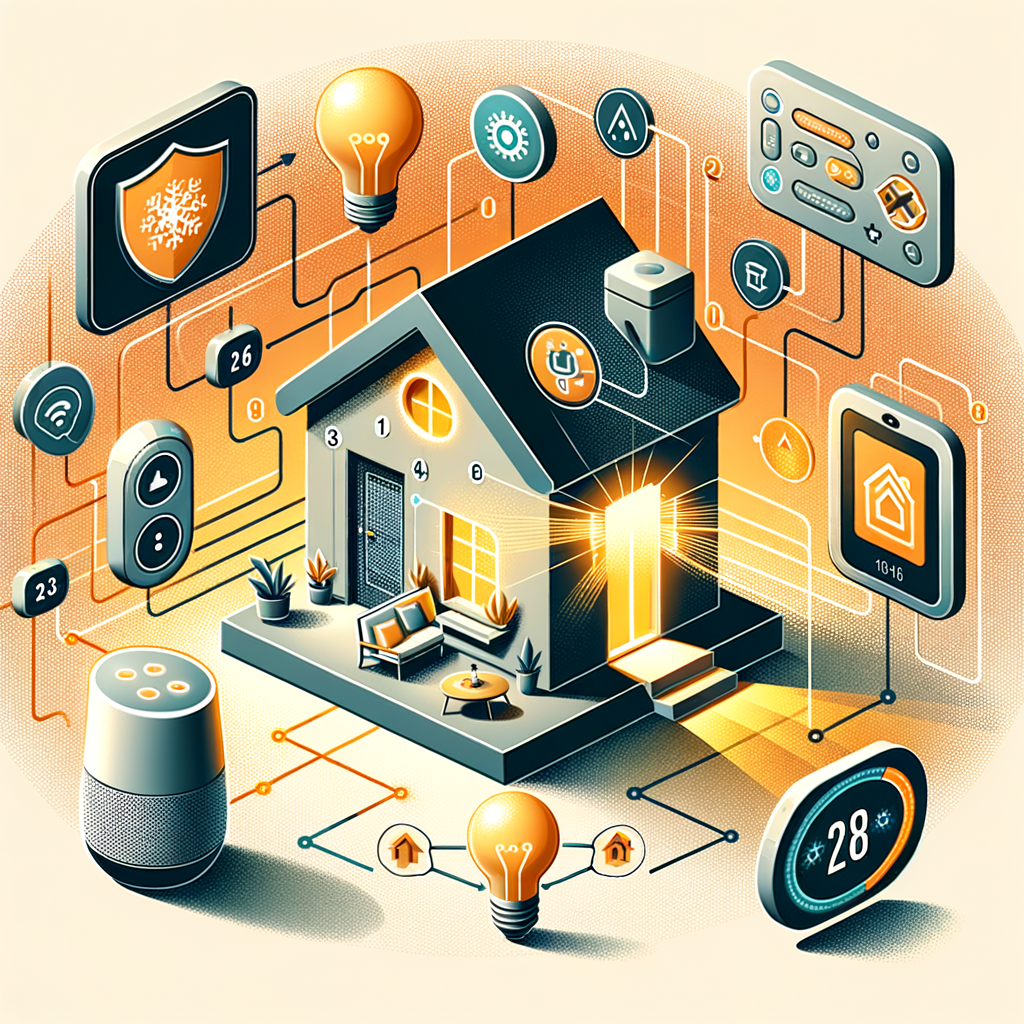
Smart home technology refers to devices and systems that connect to the internet, allowing users to control and automate household functions remotely. These devices can include lighting, thermostats, security systems, appliances, and entertainment systems. The goal is to create a connected ecosystem that enhances comfort, convenience, and energy efficiency.
Choosing a Smart Home Ecosystem
Before purchasing devices, it’s important to choose a smart home ecosystem that suits your needs. Popular platforms include Amazon Alexa, Google Home, and Apple HomeKit. Each ecosystem offers unique features and compatibility options, so consider the devices you already own and your preferred method of control—whether by voice, app, or automation.
Essential Smart Home Devices
- Smart Speakers: These act as the central hub for voice commands and automation. They can control other devices, play music, and provide information.
- Smart Lighting: Smart bulbs and switches allow you to adjust brightness, color, and schedules through an app or voice control.
- Smart Thermostats: These devices learn your preferences and adjust heating and cooling automatically to save energy.
- Smart Security Systems: Cameras, doorbells, and locks enhance home security and can be monitored remotely.
- Smart Plugs: These allow you to control traditional appliances and electronics through your smart home system.
Setting Up Your Smart Home
Start small by integrating one or two devices, such as a smart speaker and a few smart bulbs. Follow the manufacturer’s setup instructions, connect the devices to your Wi-Fi network, and link them to your chosen ecosystem. Once connected, you can control them through voice commands or mobile apps.
Creating Automations and Routines
One of the most powerful features of smart home technology is automation. You can create routines that trigger multiple actions at once. For example, a “Good Morning” routine might turn on the lights, adjust the thermostat, and start your coffee maker. Automations can also enhance security, such as turning on lights when motion is detected.
Ensuring Security and Privacy
As with any connected technology, security and privacy are essential. Use strong, unique passwords for your accounts, enable two-factor authentication, and keep your devices updated with the latest firmware. Review privacy settings to control what data your devices collect and share.
Expanding Your Smart Home
Once you’re comfortable with the basics, you can expand your smart home by adding more devices and exploring advanced integrations. Consider smart appliances, irrigation systems, or energy monitoring tools to further enhance your home’s efficiency and convenience.
Conclusion
Integrating smart home technology doesn’t have to be overwhelming. By starting small, choosing compatible devices, and focusing on your specific needs, you can create a connected home that simplifies daily life and improves comfort. As technology continues to evolve, your smart home can grow with you, offering endless possibilities for customization and control.
Leave a Reply