
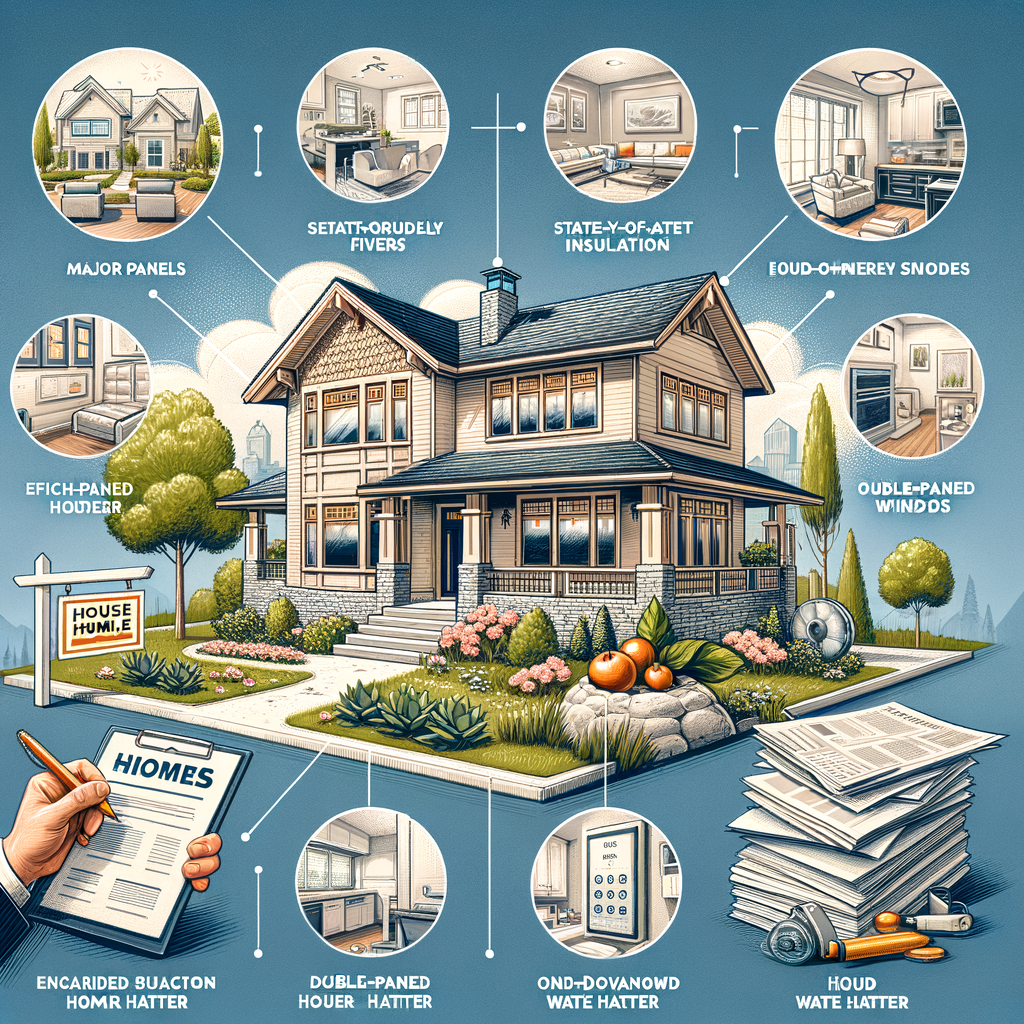
1. Start with a Detailed Description
Begin your listing by mentioning the most impactful renovations. Focus on upgrades that add value, such as kitchen remodels, bathroom updates, new flooring, or energy-efficient systems. Use descriptive language that emphasizes quality and functionality. For example, instead of simply stating “new kitchen,” describe it as “a fully renovated kitchen featuring quartz countertops, stainless steel appliances, and custom cabinetry.”
2. Emphasize Energy Efficiency and Sustainability
Modern buyers are increasingly interested in eco-friendly homes. Highlight any energy-efficient improvements such as solar panels, upgraded insulation, double-pane windows, or smart thermostats. These features not only appeal to environmentally conscious buyers but also suggest long-term savings on utility costs.
3. Showcase Curb Appeal Enhancements
First impressions matter. If you’ve invested in landscaping, new exterior paint, or an upgraded front door, make sure to mention these improvements. Include photos that capture the exterior’s appeal, as this can set your home apart from others on the market.
4. Include Before-and-After Comparisons
Visual storytelling can be powerful. If possible, include before-and-after photos of major renovations. This helps buyers appreciate the transformation and understand the value of the work done. Ensure the images are high-quality and well-lit to showcase the improvements clearly.
5. Highlight Functional Upgrades
Not all upgrades are cosmetic. Mention practical improvements such as a new roof, updated plumbing, modernized electrical systems, or a finished basement. These updates reassure buyers that the home has been well cared for and reduce concerns about future maintenance costs.
6. Use Strategic Keywords
When writing your listing, incorporate keywords that buyers often search for, such as “move-in ready,” “updated,” “modern,” or “recently renovated.” This helps your listing appear in more search results and attracts buyers looking for homes that require minimal work.
7. Provide Documentation
Buyers appreciate transparency. Include details about warranties, permits, or receipts for major renovations. This documentation builds trust and demonstrates that improvements were completed professionally and up to code.
8. Work with a Real Estate Professional
A real estate agent can help you craft a compelling listing that highlights your home’s upgrades effectively. They know how to position your property in the market and can suggest which features to emphasize based on current buyer preferences.
Conclusion
Highlighting renovations and upgrades in your home listing is about more than just listing improvements—it’s about telling a story of care, quality, and value. By focusing on the right details, using strong visuals, and providing transparency, you can attract serious buyers and maximize your home’s selling potential.
Leave a Reply