
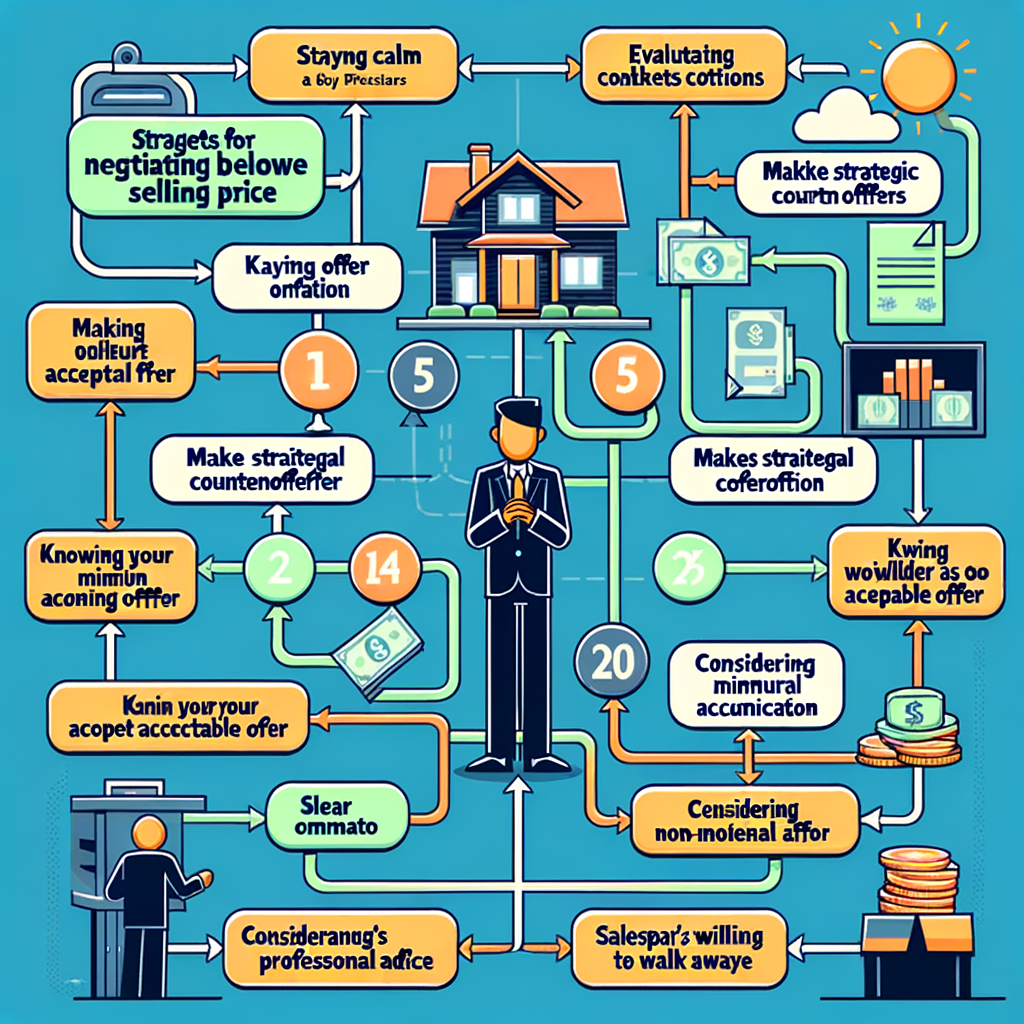
Selling a property or an item can be a challenging process, especially when you receive offers that are below your asking price. It’s important to handle these situations with care to ensure you make the best decision for your circumstances. Here are some strategies to consider when dealing with low offers.
1. Stay Calm and Objective
Receiving a low offer can be frustrating, but it’s crucial to remain calm and objective. Emotional reactions can cloud your judgment and lead to poor decision-making. Remember, a low offer is not a personal affront; it’s simply a starting point for negotiation.
2. Evaluate the Offer
Before dismissing a low offer outright, take the time to evaluate it thoroughly. Consider the following factors:
- Market Conditions: Is the market currently favoring buyers or sellers? In a buyer’s market, you may need to be more flexible with your pricing.
- Time on the Market: How long has your property or item been listed? If it’s been on the market for a while, it might be worth considering lower offers.
- Buyer’s Motivation: Is the buyer serious and ready to close quickly? A motivated buyer might be worth negotiating with.
3. Counteroffer Strategically
If you decide to counter the offer, do so strategically. Consider making a counteroffer that is closer to your asking price but still shows some flexibility. This can encourage the buyer to come up in price while still feeling like they are getting a deal.
4. Communicate Clearly
Clear communication is key during negotiations. Make sure to convey your reasons for the asking price and any concessions you are willing to make. This transparency can help build trust and facilitate a successful negotiation.
5. Know Your Bottom Line
Before entering negotiations, determine the lowest price you are willing to accept. This will help you avoid making hasty decisions that you might regret later. Stick to your bottom line unless there are compelling reasons to adjust it.
6. Consider Non-Monetary Factors
Sometimes, non-monetary factors can make a lower offer more appealing. For example, a quick closing date, fewer contingencies, or a cash offer might be worth accepting a lower price. Weigh these factors carefully when evaluating offers.
7. Be Prepared to Walk Away
If the buyer is unwilling to meet your minimum acceptable price, be prepared to walk away. Holding out for a better offer might be the best decision if you are not under pressure to sell quickly. However, be realistic about the market and your expectations.
8. Seek Professional Advice
If you’re unsure about how to proceed, consider seeking advice from a real estate agent or a professional negotiator. They can provide valuable insights and help you navigate the negotiation process effectively.
Conclusion
Handling offers below your asking price requires a balanced approach that considers both financial and non-financial factors. By staying calm, evaluating offers carefully, and negotiating strategically, you can increase your chances of reaching a satisfactory agreement. Remember, every negotiation is unique, and flexibility can often lead to the best outcomes.
Leave a Reply