
How I Bought My First Home with a Low Credit Score
Buying a home is a significant milestone, but it can seem out of reach if you have a low credit score. I was in the same boat a few years ago, but I managed to navigate through the complexities and finally purchased my first home. Here’s how I did it.
Understanding Credit and Its Impact
Firstly, it’s important to understand what a credit score is and why it matters. A credit score is a numerical expression based on a level analysis of a person’s credit files, to represent the creditworthiness of an individual. Lenders use this score to evaluate the probability that a person repays debts. A low credit score can often mean higher interest rates or a complete denial of the loan.
Improving My Credit Score
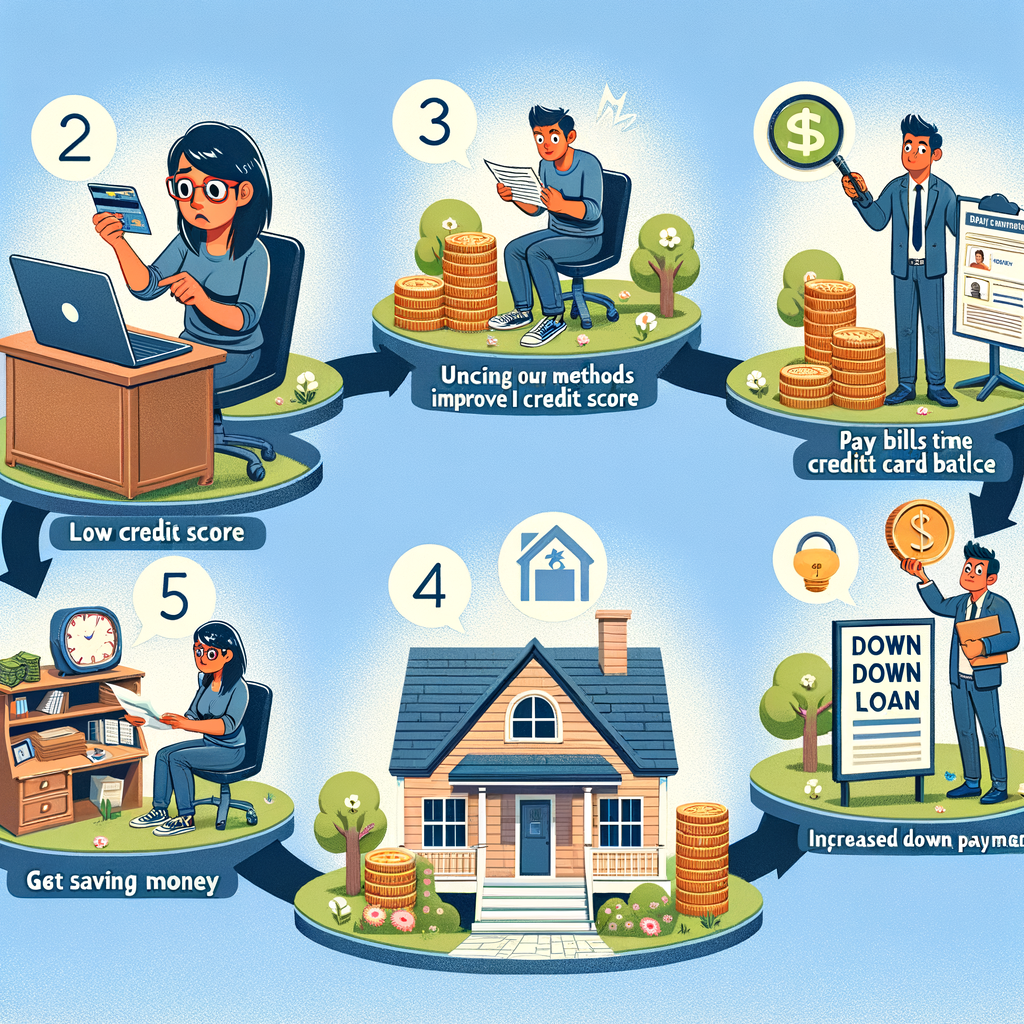
Knowing the importance of the score, I started by obtaining a copy of my credit report. I scrutinized it for any errors and disputed them which slightly improved my score. I also worked on reducing my debt-to-income ratio by paying off smaller debts and not taking on new ones. These steps gradually improved my credit score, making it easier to approach lenders.
Exploring Different Loan Options
With my improved, yet still low credit score, I explored various loan options. I discovered that there are several programs designed to help people like me. For instance, FHA loans, which are insured by the Federal Housing Administration, allow lower credit scores and require a lower down payment compared to conventional loans. I also looked into VA loans and USDA loans, which offer favorable terms for qualifying individuals.
Choosing the Right Lender
Choosing a lender willing to work with someone with a low credit score was crucial. I met with several lenders, discussed my financial situation, and reviewed their loan approval criteria. I finally found a lender that specialized in handling cases with lower credit scores. They offered me an FHA loan with a reasonable interest rate, considering my credit situation.
Saving for a Higher Down Payment
One of the key pieces of advice I received was to save for a higher down payment. This was challenging, but it significantly increased my chances of loan approval. A higher down payment reduces the loan-to-value ratio, which is a critical factor for lenders. It also shows your commitment to the investment, making you a less risky borrower.
Getting Pre-Approved
Before I started looking for a house, I got pre-approved for a loan. This process involved submitting financial documents to my lender, who then provided an estimate of the loan amount I could get approved for. Pre-approval helped me set a realistic budget and showed sellers that I was a serious buyer, despite my low credit score.
Searching for a Home
With pre-approval in hand, I started the home search within my budget. It was important to be realistic about what I could afford and where. I focused on areas with potential growth in property value and homes that required minimal initial repairs, to avoid any additional financial strain.
Conclusion
Buying a home with a low credit score was not easy, but it was possible with the right strategy and persistence. By improving my credit score, saving for a larger down payment, and finding the right lender and loan program, I was able to overcome the challenges and make my dream of homeownership a reality. For anyone in a similar situation, patience and informed decision-making are key.
Leave a Reply