
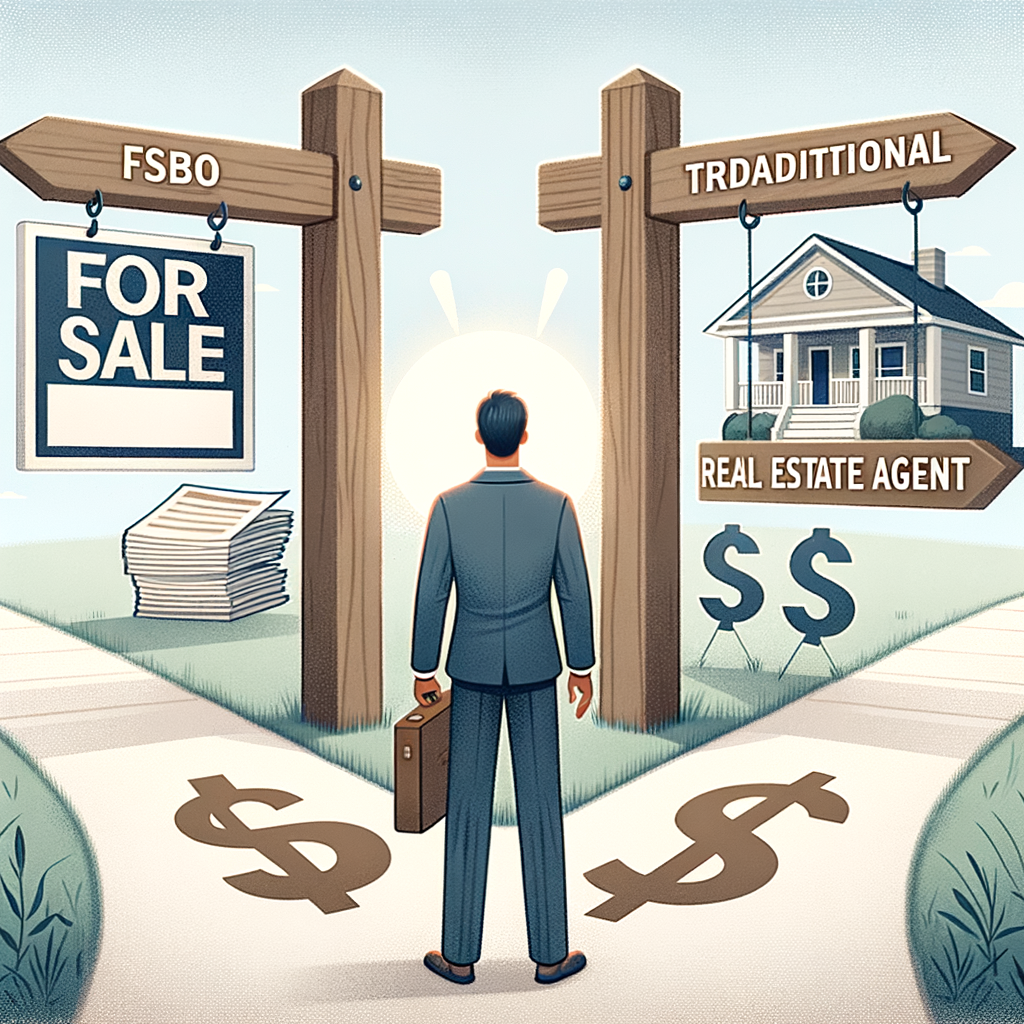
FSBO vs. Traditional Selling: Which Path is Right for You?
When it comes time to sell your home, one of the first decisions you’ll need to make is whether to sell it yourself (For Sale By Owner, or FSBO) or use a traditional real estate agent. Both paths have their advantages and challenges, and the best choice depends on your personal situation, comfort level, and financial goals. In this article, we’ll explore the pros and cons of each method to help you make an informed decision.
What is FSBO?
FSBO, meaning “For Sale By Owner,” is a method of selling a property without the involvement of a real estate agent. The seller is responsible for all aspects of the sales process, including marketing, showing the home, negotiation, and closing. This option can potentially save the seller thousands of dollars in commission fees.
Advantages of FSBO
- Cost Savings: The most apparent benefit of FSBO is avoiding real estate agent commissions, which can typically range from 5% to 6% of the sale price.
- Control Over the Sale: Selling your home yourself gives you complete control over the sales process. You can set your own price, schedule showings as you see fit, and negotiate directly with buyers.
- Direct Communication: Some sellers prefer dealing directly with the buyer, which can make negotiations more straightforward and personal.
Challenges of FSBO
- Marketing and Exposure: Without the network of a real estate agent, it can be challenging to reach potential buyers. FSBO sellers must invest time and money in marketing their property effectively.
- Legal and Regulatory Hurdles: Real estate transactions involve complex legal and regulatory requirements. Navigating these without professional help can be daunting and risky.
- Time Commitment: Selling a home requires significant time and effort, especially for those who are inexperienced. Managing showings, inquiries, and paperwork can become a full-time job.
What is Traditional Selling?
Traditional selling involves hiring a real estate agent who takes care of all aspects of the sale, from listing the property to closing the deal. The agent uses their knowledge and network to market the home, negotiate with buyers, and ensure compliance with legal standards.
Advantages of Traditional Selling
- Expertise and Experience: Real estate agents bring knowledge of the local market, pricing strategies, and negotiation skills that can lead to a faster sale at a potentially higher price.
- Less Stress: Having an agent means you don’t have to handle day-to-day sales activities. Your agent will manage showings, answer questions, and deal with paperwork.
- Greater Exposure: Agents have access to multiple listing services (MLS), which significantly increases your home’s visibility to potential buyers.
Challenges of Traditional Selling
- Cost: The biggest downside of using a real estate agent is the cost. Commission fees can take a significant chunk out of your sale proceeds.
- Less Control: Some sellers may feel they have less control over the selling process when an agent is involved. For example, you might disagree with the agent’s pricing strategy or marketing techniques.
Which Path is Right for You?
Choosing between FSBO and traditional selling depends on several factors. If you have experience in real estate, ample time to manage the process, and are comfortable handling negotiations and legal matters, FSBO might be a good fit. However, if you prefer a less hands-on approach, value expert guidance, and want to maximize exposure to potential buyers, using a traditional real estate agent could be the better choice.
Ultimately, the decision should align with your priorities, whether they’re saving money, minimizing stress, or achieving a quick sale. Consider your specific circumstances and possibly consult with a real estate professional before making your final decision.
Leave a Reply