
FSBO Sellers: Understanding Your Tax Obligations
When you decide to sell your home as a For Sale By Owner (FSBO), you take on all the responsibilities typically handled by a real estate agent, including understanding the tax implications of the sale. Navigating the tax landscape can be complex, but with the right information, you can ensure compliance and possibly optimize your tax situation. This article provides an overview of the key tax considerations for FSBO sellers.
Capital Gains Tax
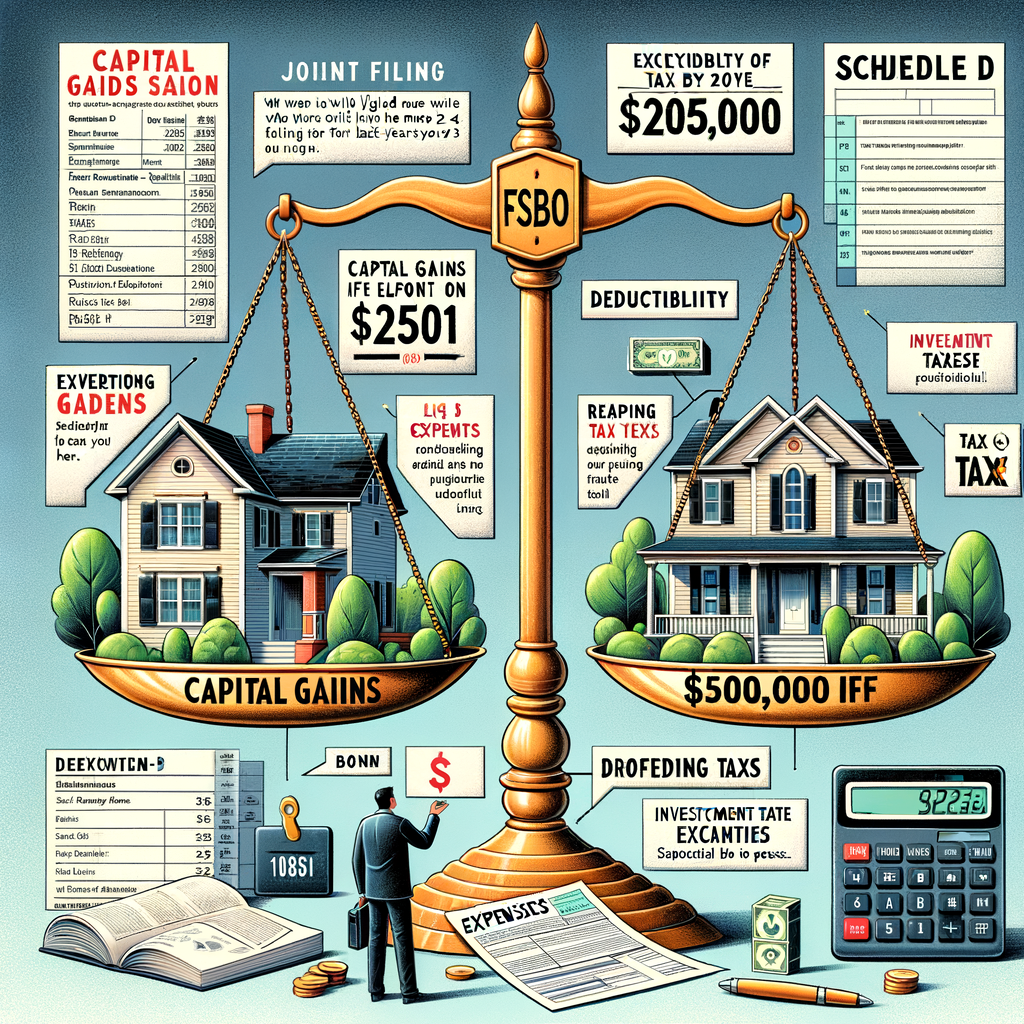
One of the primary tax considerations when selling a home is the capital gains tax. This tax is levied on the profit (capital gain) made from the sale of your property. As of the current tax laws, if you have owned and used the home as your primary residence for at least two of the five years prior to selling, you may be eligible to exclude up to $250,000 of the gain from your income if filing single, or $500,000 if filing jointly.
To qualify for this exclusion, you must meet the ownership and use tests, which require that you have owned the home and lived in it as your primary residence for at least two years out of the last five years. It’s important to keep good records, including proof of residence and any receipts for improvements, as these can increase your cost basis and potentially reduce your taxable gain.
Reporting the Sale
If you do have a taxable gain that exceeds the exclusion limit, or if you do not qualify for the exclusion, you must report this gain on your federal income tax return. The gain is typically reported using IRS Form 8949 and Schedule D of your tax return. It is advisable to consult with a tax professional to ensure proper reporting and to explore any possible ways to reduce your tax liability.
Deductible Selling Expenses
As an FSBO seller, you can also deduct certain selling expenses from your total gain. These expenses can include legal fees, advertising costs, real estate commission fees (if you have hired help for certain aspects of the selling process), and any escrow fees paid at closing. These deductions can help reduce the overall capital gain reported and thus lower your tax obligation.
Property Taxes
Property taxes are another important consideration. Typically, property taxes are prorated at closing, meaning the seller and buyer each pay taxes for the part of the property tax year they own the home. Ensure this is clearly laid out in the closing documents, and keep records of all payments, as these can be deductible on your tax return.
1031 Exchange
If you are selling an investment property, you might consider a 1031 exchange, which allows you to defer paying capital gains taxes if you reinvest the proceeds from the sale into another property. There are specific rules and timelines that must be followed to qualify for this deferral, so it’s crucial to consult with a tax advisor or a professional experienced in 1031 exchanges.
State Taxes
Don’t forget about state taxes. Depending on where your home is located, there may be additional state tax obligations when selling your property. Some states have their own capital gains rates, and others may offer exclusions similar to the federal exclusion. Check with your state’s tax authority or a local tax professional for guidance.
Conclusion
Selling your home as an FSBO can be rewarding, but it also brings significant tax responsibilities. Understanding these obligations can help you plan more effectively and potentially save on taxes. Always consider consulting with a tax professional to ensure compliance and to take full advantage of any tax benefits available to you.
Leave a Reply