
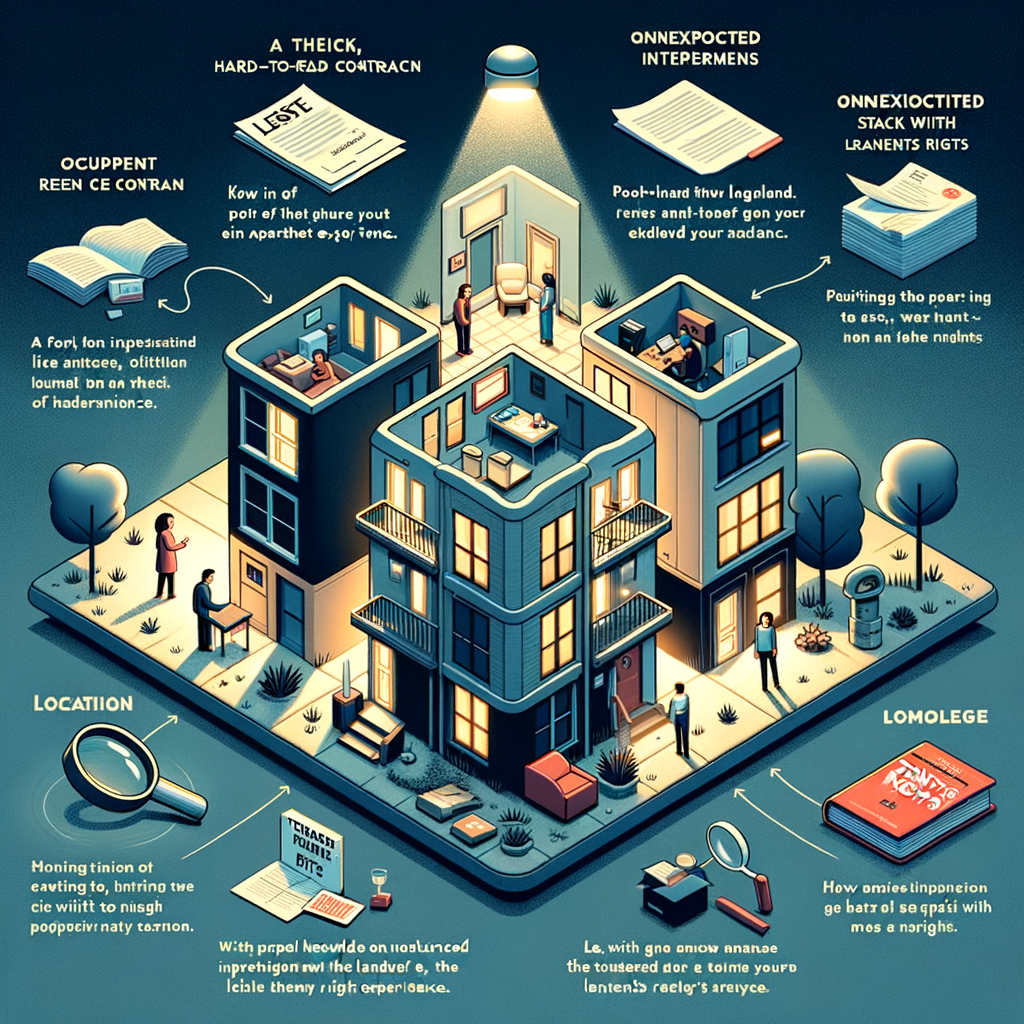
First Apartment Fumbles: Learning the Ropes of Renting
Moving into your first apartment is an exciting step towards independence, but it’s also a big learning curve. Many new renters find themselves making mistakes that can be easily avoided with a bit of knowledge and preparation. Here are some common fumbles first-time renters make and how to steer clear of them.
1. Not Reading the Lease Thoroughly
One of the most critical documents that will govern your renting experience is your lease agreement. It outlines your rights and responsibilities, along with those of your landlord. Failing to read the lease thoroughly can lead to misunderstandings about what you can and cannot do in your apartment, such as making alterations or having pets. Always take the time to read the lease carefully and ask questions about anything you do not understand.
2. Underestimating Costs
Many first-time renters only account for the monthly rent payment, but living on your own involves several other expenses. Utilities, internet, groceries, and other living expenses can add up quickly. Additionally, be prepared for upfront costs like security deposits, first and last month’s rent, and application fees. Make sure to budget for these expenses to avoid financial strain.
3. Skimping on Renters Insurance
Many renters overlook the importance of renters insurance. This insurance covers your belongings in the event of theft, fire, or other damages. It’s a small cost that can save you a lot of money and heartache should an unfortunate event occur. Check with various insurance providers to find the best coverage for your needs.
4. Neglecting Apartment Inspections
Before moving into your apartment, conduct a thorough inspection and document any existing damages. Take photos and make sure they are dated. This documentation will be crucial when you move out, as it can protect you from being charged for damages you did not cause. Share this documentation with your landlord and keep copies for your records.
5. Poor Communication with Landlords
Effective communication with your landlord is key to a good tenant-landlord relationship. Always communicate maintenance issues promptly and keep a record of all your communications. Being proactive and respectful can help ensure that your concerns are addressed in a timely manner and can prevent disputes.
6. Overlooking the Importance of Location
When choosing your first apartment, consider more than just the rent and appearance of the unit. Think about the location’s safety, convenience, and proximity to work, school, or public transportation. Visiting the area at different times of the day can provide insight into traffic patterns and neighborhood dynamics.
7. Not Understanding Tenant Rights
Each state has laws designed to protect tenants. These laws cover various aspects such as security deposit limits, the right to privacy, and conditions for lawful eviction. Understanding your rights as a tenant can empower you to stand up for yourself if those rights are violated. Consider consulting legal resources or tenant unions if you need advice.
Conclusion
Moving into your first apartment should be an exciting and educational experience. By being aware of common pitfalls and how to avoid them, you can make your first renting experience a positive one. Remember, preparation and knowledge are your best tools when stepping into the world of renting.
Leave a Reply