
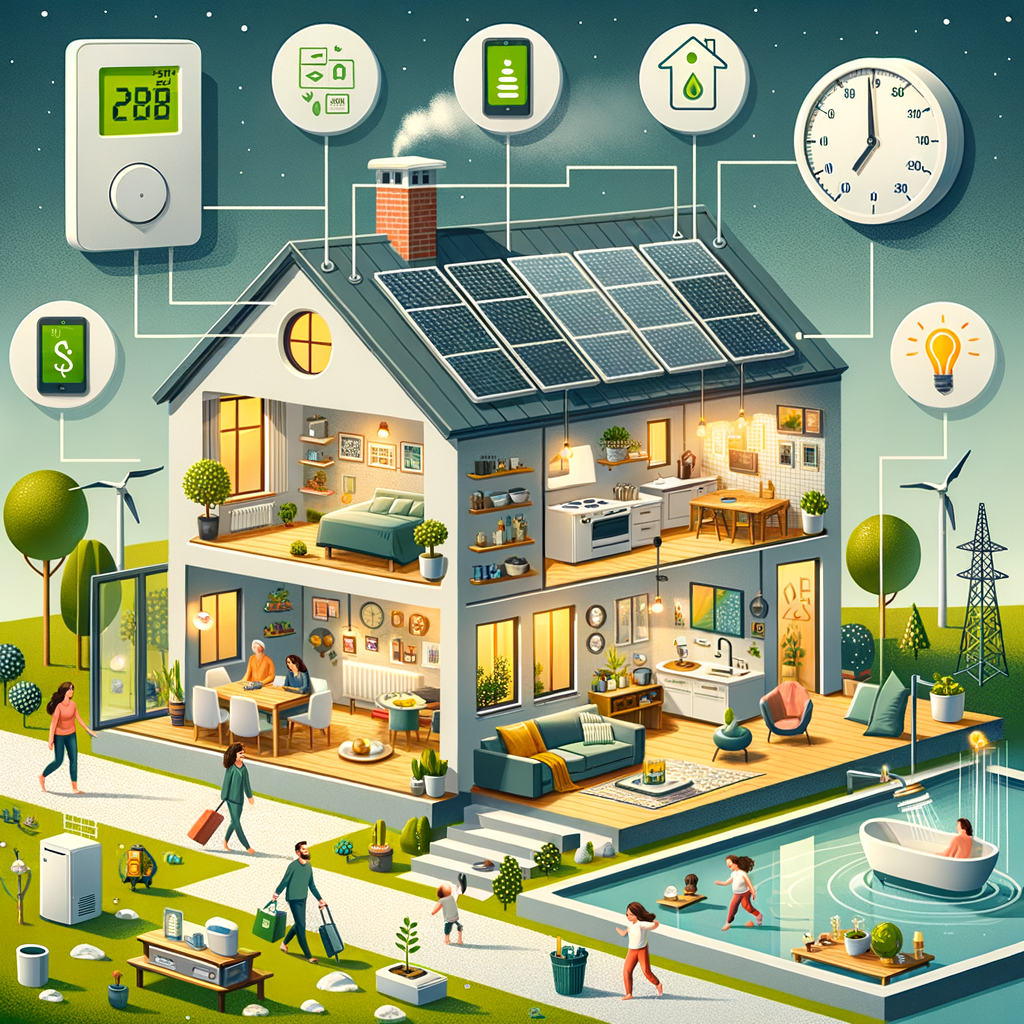
Understanding Energy Efficiency
Energy efficiency refers to using less energy to perform the same task or achieve the same result. It involves optimizing energy use in homes, workplaces, and transportation to minimize waste. Efficient energy use reduces greenhouse gas emissions, conserves natural resources, and supports a cleaner environment.
Simple Changes at Home
1. Upgrade to LED Lighting
Replacing traditional incandescent bulbs with LED lights can reduce energy consumption by up to 80%. LEDs last longer, emit less heat, and provide the same brightness using a fraction of the electricity.
2. Improve Insulation
Proper insulation helps maintain indoor temperatures, reducing the need for heating and cooling. Sealing gaps around windows, doors, and attics prevents energy loss and enhances comfort throughout the year.
3. Use Energy-Efficient Appliances
When replacing old appliances, choose models with high energy efficiency ratings. Refrigerators, washing machines, and dishwashers with the ENERGY STAR label consume less electricity and water, lowering utility bills over time.
4. Adjust Thermostat Settings
Lowering the thermostat by a few degrees in winter and raising it slightly in summer can lead to significant savings. Programmable thermostats automatically adjust temperatures based on schedules, ensuring energy is not wasted when no one is home.
5. Unplug Idle Electronics
Devices left plugged in continue to draw power even when turned off. Unplugging chargers, televisions, and computers when not in use or using power strips to disconnect multiple devices at once can reduce standby energy consumption.
Efficient Water Use
Heating water accounts for a large portion of household energy use. Installing low-flow showerheads, fixing leaks promptly, and washing clothes in cold water can reduce both water and energy bills. Insulating water heaters and pipes further improves efficiency.
Renewable Energy Options
For those looking to take energy efficiency a step further, renewable energy sources such as solar panels or small wind turbines can offset electricity use. Many regions offer incentives and rebates for installing renewable systems, making them more affordable and accessible.
Transportation Efficiency
Reducing car use by walking, cycling, or using public transport decreases fuel consumption and emissions. For drivers, maintaining proper tire pressure, avoiding excessive idling, and carpooling are simple ways to improve fuel efficiency. Electric and hybrid vehicles also offer long-term savings and environmental benefits.
Behavioral Changes
Energy efficiency is not only about technology but also about habits. Turning off lights when leaving a room, air-drying clothes, and cooking with lids on pots are small actions that collectively make a big difference. Encouraging family members to adopt energy-conscious behaviors amplifies the impact.
Conclusion
Improving energy efficiency does not require major investments or lifestyle changes. By implementing simple measures, households can lower utility bills, reduce their carbon footprint, and contribute to a more sustainable planet. Every small step toward efficiency helps build a cleaner, more resilient future for all.
Leave a Reply