
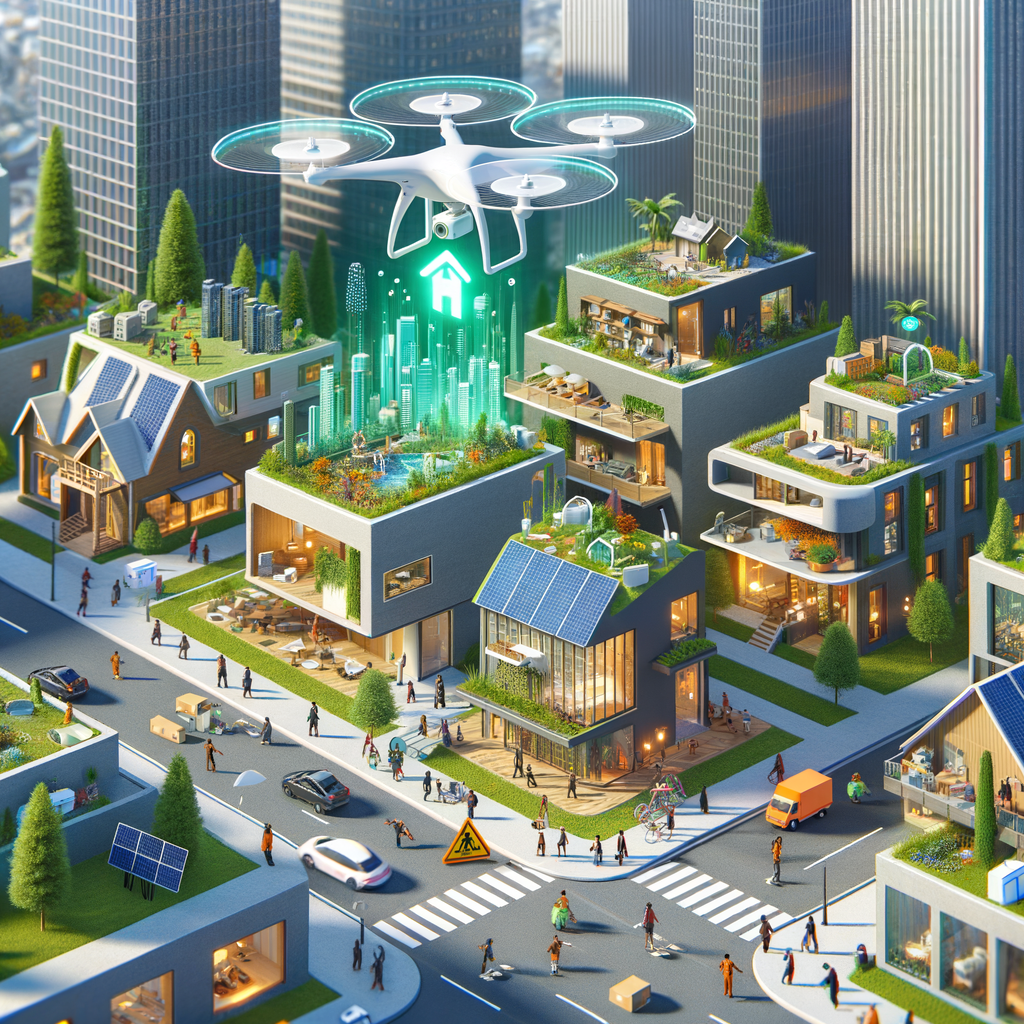
The housing market in 2024 is undergoing significant transformation driven by economic shifts, technological innovation, and evolving consumer preferences. As affordability challenges persist and sustainability becomes a central concern, both buyers and developers are adapting to new realities that are reshaping the real estate landscape.
1. Increased Focus on Affordable Housing Solutions
Affordability remains a pressing issue in many urban areas. Governments and private developers are collaborating to create more inclusive housing policies, offering incentives for affordable housing projects. Modular construction and prefabricated homes are gaining traction as cost-effective alternatives that reduce construction time and expenses.
2. Sustainability and Green Building Practices
Environmental consciousness continues to influence housing design and development. Builders are incorporating energy-efficient materials, solar panels, and smart home technologies to reduce carbon footprints. Green certifications and eco-friendly communities are becoming key selling points for environmentally aware buyers.
3. Technology Integration and Smart Homes
Smart home technology is no longer a luxury but a standard expectation. Homebuyers are seeking properties equipped with integrated systems for security, lighting, temperature control, and energy management. Artificial intelligence and the Internet of Things (IoT) are enhancing convenience, safety, and energy efficiency in modern homes.
4. Shifts in Buyer Demographics
Millennials and Generation Z are now the dominant forces in the housing market. Their preferences for flexible living spaces, proximity to amenities, and digital-first experiences are influencing how homes are marketed and designed. Remote work trends have also led to increased demand for suburban and rural properties offering more space and affordability.
5. The Rise of Build-to-Rent Communities
As homeownership becomes less attainable for some, build-to-rent developments are expanding rapidly. These communities offer the benefits of single-family living with the flexibility of renting. Investors are capitalizing on this trend, recognizing the long-term potential of rental housing as a stable income source.
6. Urban Redevelopment and Mixed-Use Spaces
Urban areas are being revitalized through mixed-use developments that combine residential, commercial, and recreational spaces. These projects promote walkability, community engagement, and convenience, aligning with the growing demand for live-work-play environments.
7. Impact of Interest Rates and Economic Conditions
Interest rate fluctuations continue to influence buyer behavior and market dynamics. While higher rates may temper demand, they also encourage creative financing solutions and alternative ownership models. Economic stability and employment trends will play a crucial role in shaping housing affordability and investment opportunities throughout 2024.
Conclusion
The housing market in 2024 reflects a blend of innovation, adaptation, and resilience. From sustainable construction to digital integration and evolving buyer expectations, the industry is moving toward a more flexible and environmentally conscious future. Stakeholders who embrace these emerging trends will be best positioned to thrive in the changing real estate landscape.
Leave a Reply