
Eco-Friendly Rentals: A Growing Trend in Sustainable Living
In recent years, the demand for sustainable living options has surged, leading to a notable rise in eco-friendly rental properties. These properties, which prioritize environmental consciousness, are not only appealing to eco-aware tenants but are also becoming a crucial part of the real estate market’s response to climate change.
What Makes a Rental Eco-Friendly?
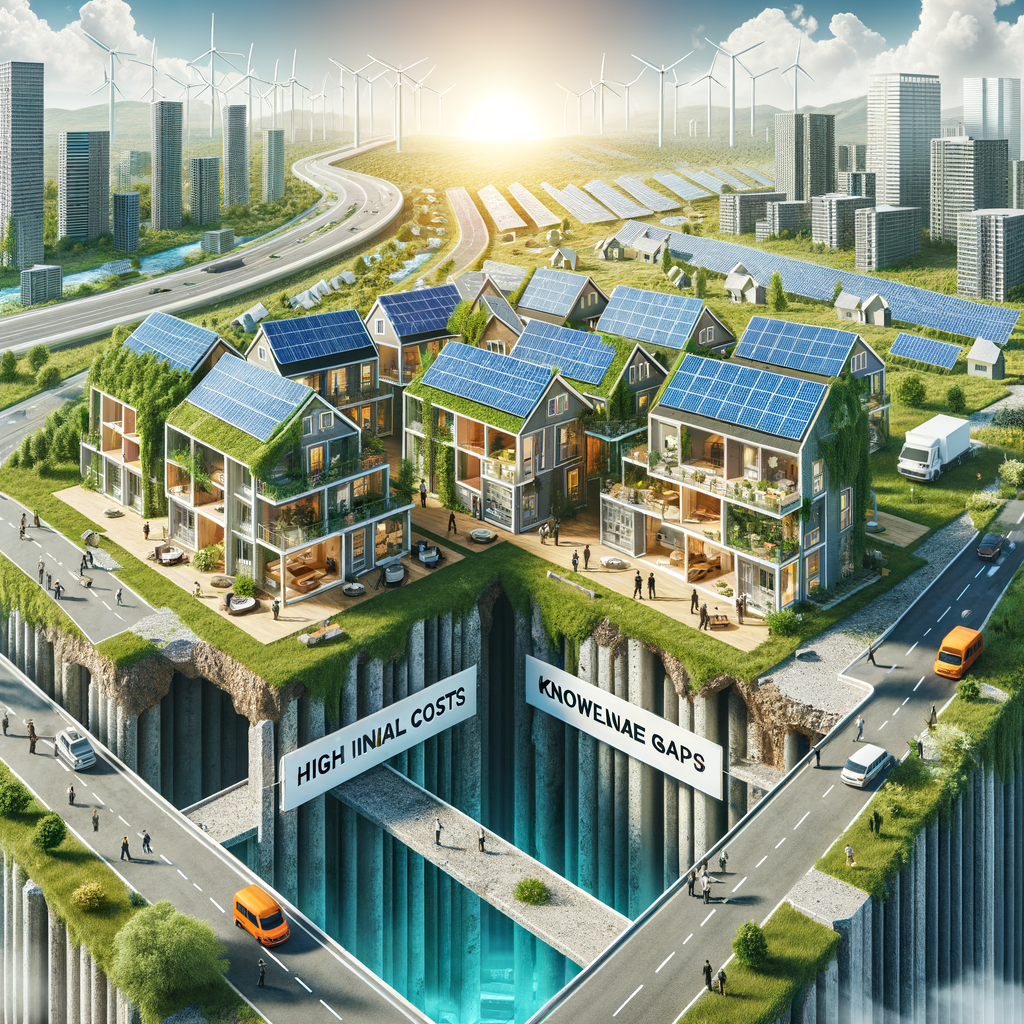
Eco-friendly rentals incorporate various sustainable practices and features designed to minimize their environmental impact. Key elements include energy-efficient appliances, solar panels, green roofing, and the use of sustainable materials in construction and renovations. Additionally, these properties often feature water-saving fixtures, enhanced insulation, and systems designed to improve air quality.
The Benefits of Eco-Friendly Rentals
The benefits of living in eco-friendly rentals extend beyond reducing one’s carbon footprint. Tenants can enjoy lower utility bills due to energy-efficient systems, a healthier living environment due to non-toxic materials and better air quality, and often, access to green spaces such as community gardens. Landlords, on the other hand, may benefit from tax incentives, higher property values, and competitive advantage in a market that increasingly values sustainability.
Challenges in the Adoption of Eco-Friendly Rentals
Despite their growing popularity, the transition to eco-friendly rentals is not without challenges. The initial cost of implementing sustainable technologies can be high, potentially deterring property owners from making the necessary investments. Additionally, there is often a knowledge gap among both renters and landlords about the benefits and practicalities of eco-friendly features.
Case Studies: Success Stories
Across the globe, several properties have successfully integrated eco-friendly practices. For example, a rental community in California has achieved near-zero emissions by combining solar power, energy-efficient design, and community-wide recycling programs. Another example in Germany uses geothermal energy and rainwater harvesting to reduce its environmental impact significantly.
Future Prospects
The trend towards eco-friendly rentals is expected to grow as more individuals seek sustainable living options and as governmental policies increasingly support environmental responsibility in housing. Innovations in technology and building materials promise to lower costs and enhance the feasibility of converting traditional properties into eco-friendly ones.
Conclusion
Eco-friendly rentals represent a significant step forward in the quest for sustainable living. By embracing green technologies and practices, these properties not only help protect the environment but also offer healthier living spaces and financial benefits. As the world continues to grapple with environmental challenges, eco-friendly rentals stand out as a positive movement towards a more sustainable and responsible global community.
Leave a Reply