
<article>
  <h1>Eco-Friendly Homes: What to Look for as a Buyer</h1>
  <p>As environmental awareness grows, more homebuyers are prioritizing sustainability when searching for their next property. Eco-friendly homes not only reduce environmental impact but also offer long-term savings through energy efficiency and lower maintenance costs. Understanding what to look for can help buyers make informed decisions that benefit both the planet and their wallets.</p>

  <h2>1. Energy Efficiency</h2>
  <p>Energy-efficient homes are designed to minimize energy consumption while maintaining comfort. Look for properties with high-quality insulation, energy-efficient windows, and modern HVAC systems. Appliances with ENERGY STAR ratings and LED lighting can further reduce energy use and utility bills.</p>

  <h2>2. Sustainable Building Materials</h2>
  <p>The materials used in construction play a major role in a home’s environmental footprint. Seek homes built with recycled, reclaimed, or sustainably sourced materials. Bamboo flooring, recycled steel, and low-VOC paints are excellent examples of eco-friendly options that promote healthier indoor air quality.</p>

  <h2>3. Renewable Energy Sources</h2>
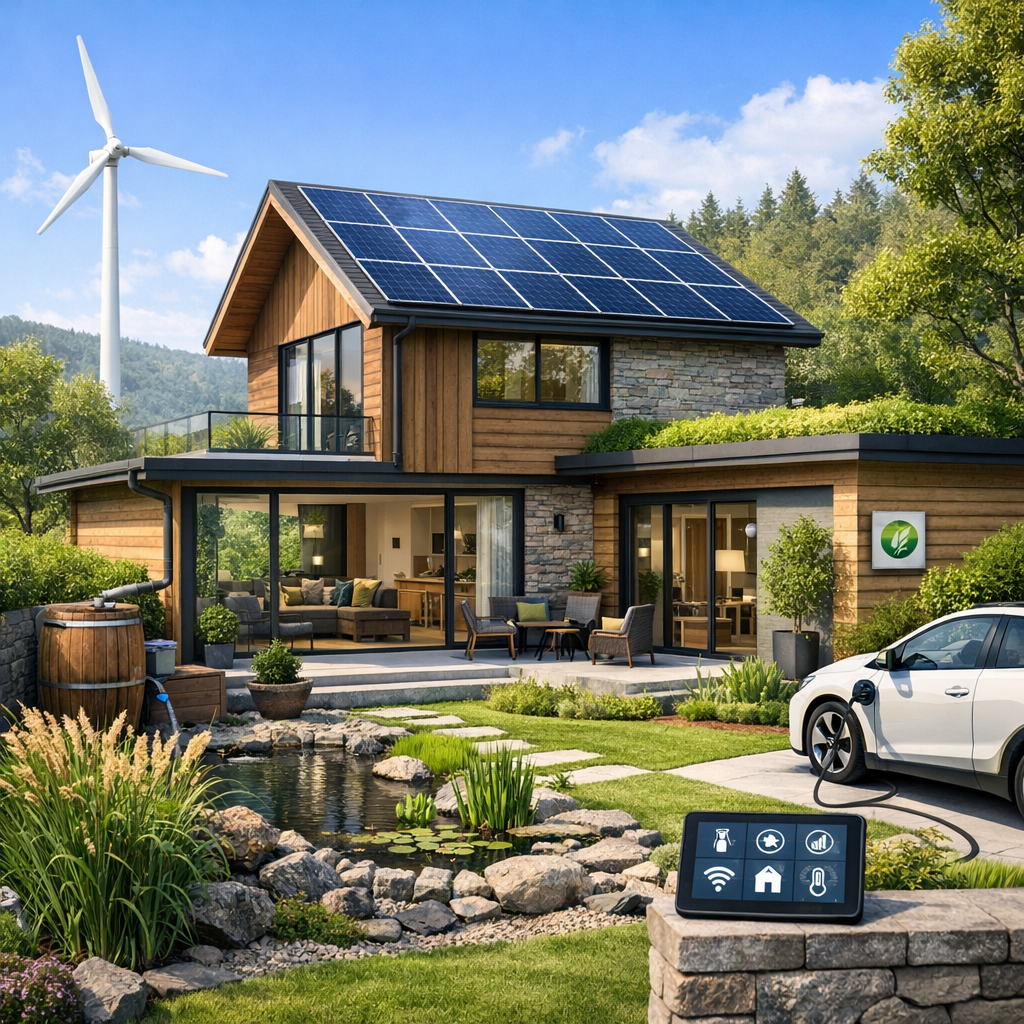
  <p>Homes equipped with renewable energy systems, such as solar panels or geothermal heating, can significantly reduce reliance on fossil fuels. Even if a property doesn’t currently have these systems, check whether it’s suitable for future installation. South-facing roofs, for instance, are ideal for solar panels.</p>

  <h2>4. Water Conservation Features</h2>
  <p>Water-efficient fixtures and landscaping can make a big difference in sustainability. Look for low-flow toilets, faucets, and showerheads, as well as rainwater harvesting systems. Native or drought-tolerant plants in the garden can reduce water usage and maintenance needs.</p>

  <h2>5. Smart Home Technology</h2>
  <p>Smart home systems can optimize energy and water use through automation. Programmable thermostats, smart lighting, and irrigation systems help homeowners monitor and adjust consumption in real time, improving efficiency and reducing waste.</p>

  <h2>6. Indoor Air Quality</h2>
  <p>Healthy indoor air is a key component of eco-friendly living. Homes with proper ventilation, non-toxic materials, and air filtration systems can prevent pollutants and allergens from accumulating. Avoid properties with materials that emit harmful chemicals, such as certain adhesives or finishes.</p>

  <h2>7. Location and Transportation</h2>
  <p>The location of a home also affects its environmental impact. Proximity to public transportation, bike paths, and essential services can reduce dependence on cars. Choosing a home in a walkable neighborhood supports a more sustainable lifestyle.</p>

  <h2>8. Certifications and Ratings</h2>
  <p>Eco-friendly homes often come with certifications that verify their sustainability standards. Look for designations such as LEED (Leadership in Energy and Environmental Design), ENERGY STAR, or Passive House certification. These labels indicate that the property meets rigorous environmental and efficiency criteria.</p>

  <h2>Conclusion</h2>
  <p>Buying an eco-friendly home is an investment in both the environment and your future. By focusing on energy efficiency, sustainable materials, renewable energy, and smart design, you can find a property that aligns with your values and offers long-term benefits. As demand for green housing continues to rise, these homes are becoming not only a responsible choice but also a wise financial one.</p>
</article>
Discover more from My-Rebo Your One-Stop Real Estate Marketplace
Subscribe to get the latest posts sent to your email.
eco-conscious buyers eco-friendly homes energy efficiency environmentally friendly design green building green real estate home sustainability indoor air quality LEED certification renewable energy smart home technology sustainable housing sustainable living sustainable materials water conservation
Leave a Reply