
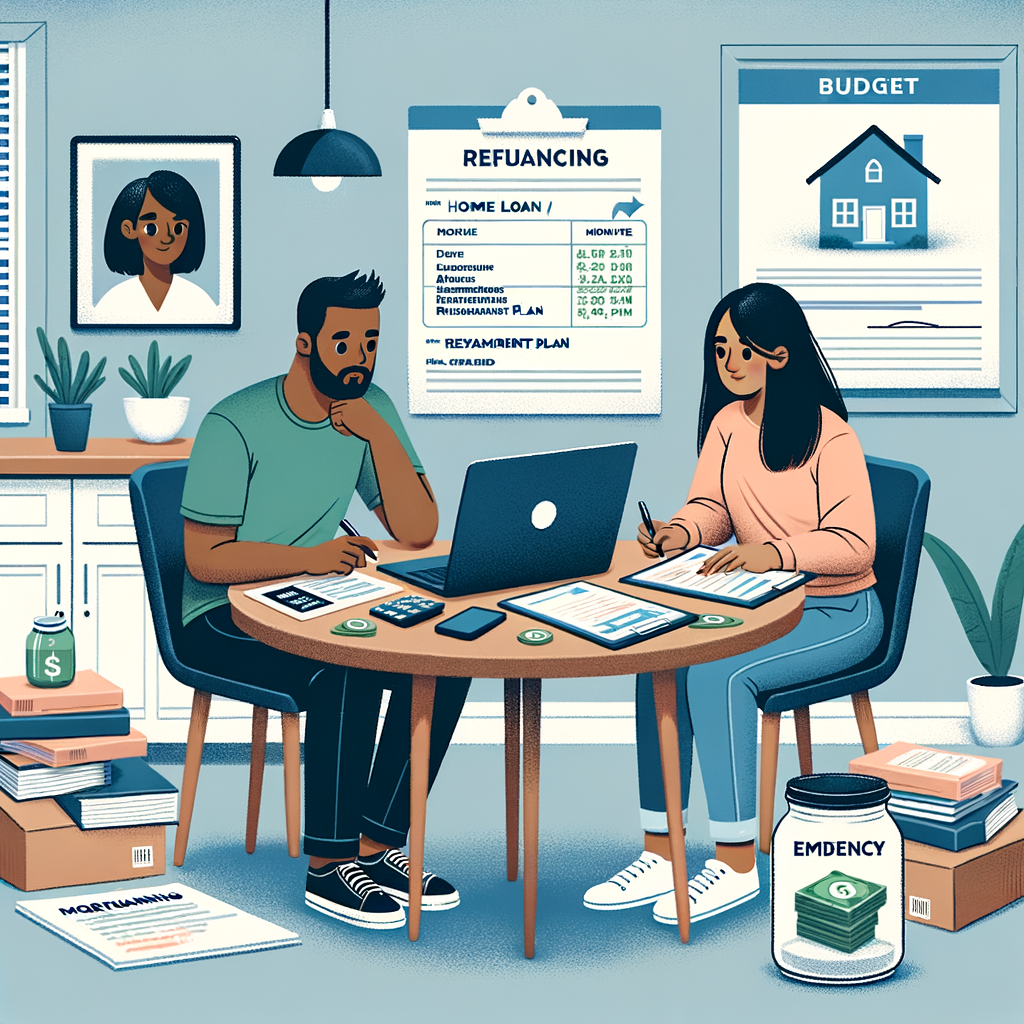
Purchasing a home is one of the most significant financial commitments many people will make in their lifetime. While it is an exciting milestone, it also comes with the responsibility of managing debt effectively. Proper debt management is crucial to ensure that your home purchase remains a blessing rather than a burden. This article provides essential tips and strategies for homebuyers to balance their budget and manage debt wisely.
Understanding Your Financial Situation
Before diving into the home buying process, it’s essential to have a clear understanding of your current financial situation. This involves assessing your income, expenses, existing debts, and savings. Here are some steps to help you get started:
- Calculate Your Income: Determine your total monthly income, including salary, bonuses, and any other sources of income.
- Track Your Expenses: Keep a record of your monthly expenses, including fixed costs like rent and utilities, as well as variable expenses such as groceries and entertainment.
- Assess Your Debts: List all your existing debts, including credit card balances, student loans, and car loans. Note the interest rates and monthly payments for each.
- Evaluate Your Savings: Consider your current savings and how much you can allocate towards a down payment and closing costs.
Setting a Realistic Budget
Once you have a clear picture of your financial situation, the next step is to set a realistic budget for your home purchase. This budget should take into account not only the purchase price of the home but also additional costs such as property taxes, insurance, maintenance, and potential repairs. Here are some tips for setting a budget:
- Determine Your Price Range: Use an online mortgage calculator to estimate how much you can afford based on your income, debts, and down payment.
- Consider All Costs: Remember to include closing costs, moving expenses, and any immediate repairs or renovations needed.
- Leave Room for Emergencies: Ensure your budget allows for an emergency fund to cover unexpected expenses.
Managing Debt Effectively
Effective debt management is key to maintaining financial stability after purchasing a home. Here are some strategies to help you manage your debt:
- Create a Debt Repayment Plan: Prioritize paying off high-interest debts first while making minimum payments on others. Consider using the snowball or avalanche method to accelerate debt repayment.
- Refinance High-Interest Loans: If possible, refinance high-interest loans to lower interest rates to reduce your monthly payments and total interest paid over time.
- Avoid Taking on New Debt: Minimize new debt by avoiding unnecessary purchases and using credit cards responsibly.
- Build an Emergency Fund: Aim to save three to six months’ worth of living expenses to protect yourself from financial setbacks.
Seeking Professional Advice
If you’re feeling overwhelmed by the home buying process or managing your debt, consider seeking professional advice. Financial advisors and mortgage brokers can provide valuable insights and help you make informed decisions. They can assist with:
- Financial Planning: Developing a comprehensive financial plan that aligns with your home buying goals.
- Mortgage Options: Exploring different mortgage products and finding the best rates and terms for your situation.
- Debt Management Strategies: Offering personalized strategies to manage and reduce your debt effectively.
Conclusion
Buying a home is a significant financial commitment that requires careful planning and effective debt management. By understanding your financial situation, setting a realistic budget, and implementing strategies to manage debt, you can achieve your dream of homeownership while maintaining financial stability. Remember, seeking professional advice can provide additional support and guidance throughout the process.
Leave a Reply