
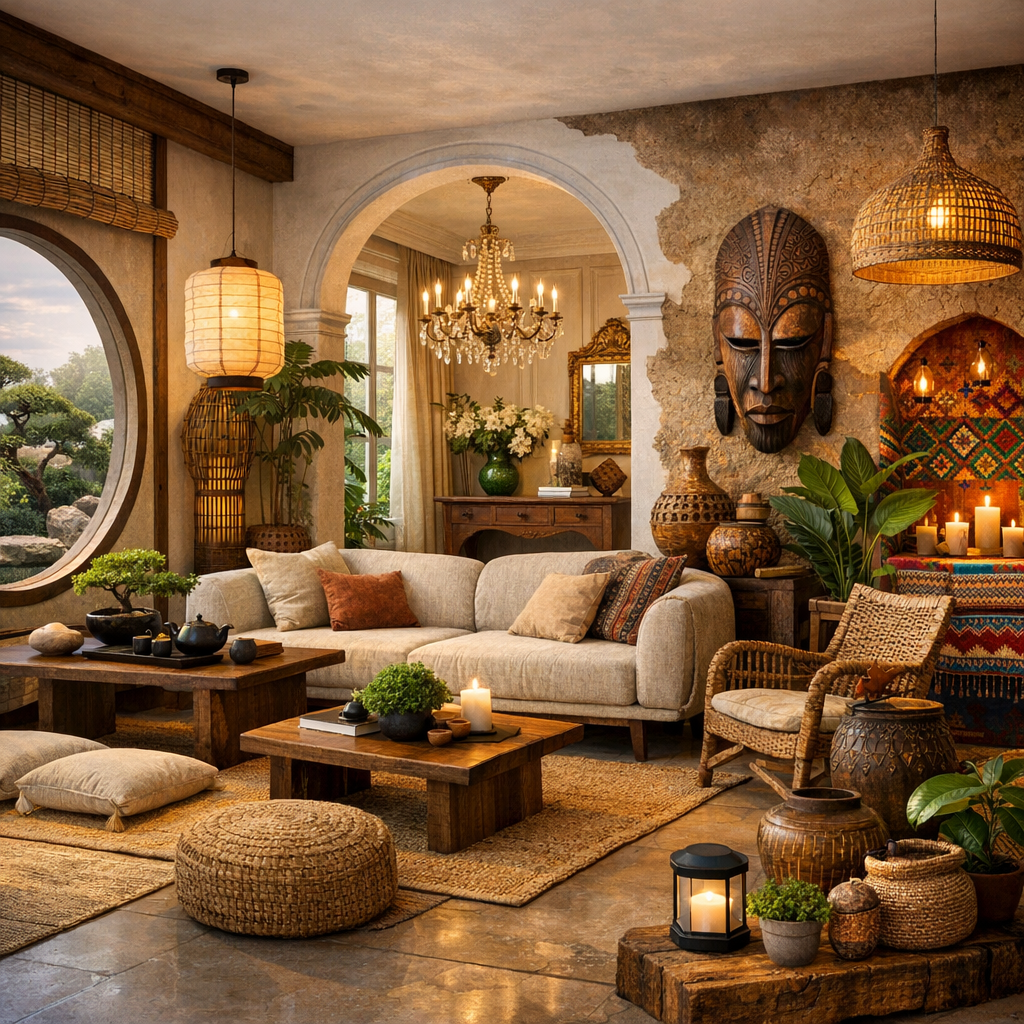
Interior design is a reflection of human creativity, lifestyle, and cultural identity. Across the world, the way people design and decorate their living spaces is deeply influenced by their traditions, beliefs, and environment. Understanding these cultural influences provides valuable insights into how design evolves and adapts to different societies.
Asian Influences
Asian interior design is often characterized by balance, harmony, and a strong connection to nature. In Japan, minimalism and the concept of wabi-sabi—the beauty of imperfection—play a central role. Spaces are uncluttered, with natural materials such as wood, bamboo, and paper creating a serene atmosphere. In contrast, Chinese interiors emphasize symmetry, symbolism, and the use of auspicious colors like red and gold to attract prosperity and happiness.
In Southeast Asia, tropical climates influence design choices. Open layouts, natural ventilation, and the use of rattan, teak, and woven textiles are common. These elements not only reflect local craftsmanship but also promote comfort and sustainability.
European Traditions
European interior design has evolved through centuries of artistic and architectural movements. Mediterranean styles, for instance, feature earthy tones, textured walls, and wrought iron details that evoke warmth and rustic charm. Scandinavian design, on the other hand, is known for its simplicity, functionality, and emphasis on light—an adaptation to the region’s long winters.
In France and Italy, elegance and sophistication dominate. French interiors often combine antique furniture with ornate detailing, while Italian design celebrates craftsmanship, luxury materials, and bold aesthetics. Both styles demonstrate how history and artistry continue to shape modern European interiors.
Middle Eastern and African Aesthetics
Middle Eastern design is rich in color, pattern, and texture. Intricate mosaics, geometric motifs, and luxurious fabrics such as silk and velvet create a sense of opulence. Courtyards and arches are architectural features that enhance both beauty and functionality, offering cool, shaded spaces in hot climates.
African design draws inspiration from nature and community. Earthy tones, handcrafted furniture, and tribal art are common elements. Each region within the continent contributes unique materials and motifs, from Moroccan tiles to West African textiles, reflecting a deep respect for heritage and craftsmanship.
American and Latin American Styles
In North America, interior design is a blend of influences from around the world. The United States and Canada have embraced eclecticism, combining modern minimalism with rustic, industrial, or bohemian elements. Indigenous cultures also contribute to regional aesthetics, emphasizing natural materials and symbolic patterns.
Latin American design, meanwhile, is vibrant and expressive. Mexican interiors feature bold colors, handcrafted ceramics, and folk art, while Brazilian design integrates modern architecture with tropical elements. Across the region, a sense of warmth and hospitality is conveyed through open spaces and lively décor.
Globalization and Contemporary Design
In today’s interconnected world, cultural boundaries in design are increasingly fluid. Globalization has led to the fusion of styles, where traditional motifs coexist with modern materials and technologies. Designers draw inspiration from multiple cultures, creating spaces that are both globally aware and locally grounded.
Sustainability has also become a universal value, influencing design choices across cultures. The use of eco-friendly materials, energy-efficient systems, and locally sourced products reflects a shared responsibility toward the environment.
Conclusion
Cultural influences in interior design reveal the diversity and creativity of human expression. Each culture contributes unique aesthetics, philosophies, and techniques that enrich the global design landscape. By appreciating these differences and embracing cross-cultural exchange, designers can create interiors that are not only beautiful but also meaningful and inclusive.
Leave a Reply