
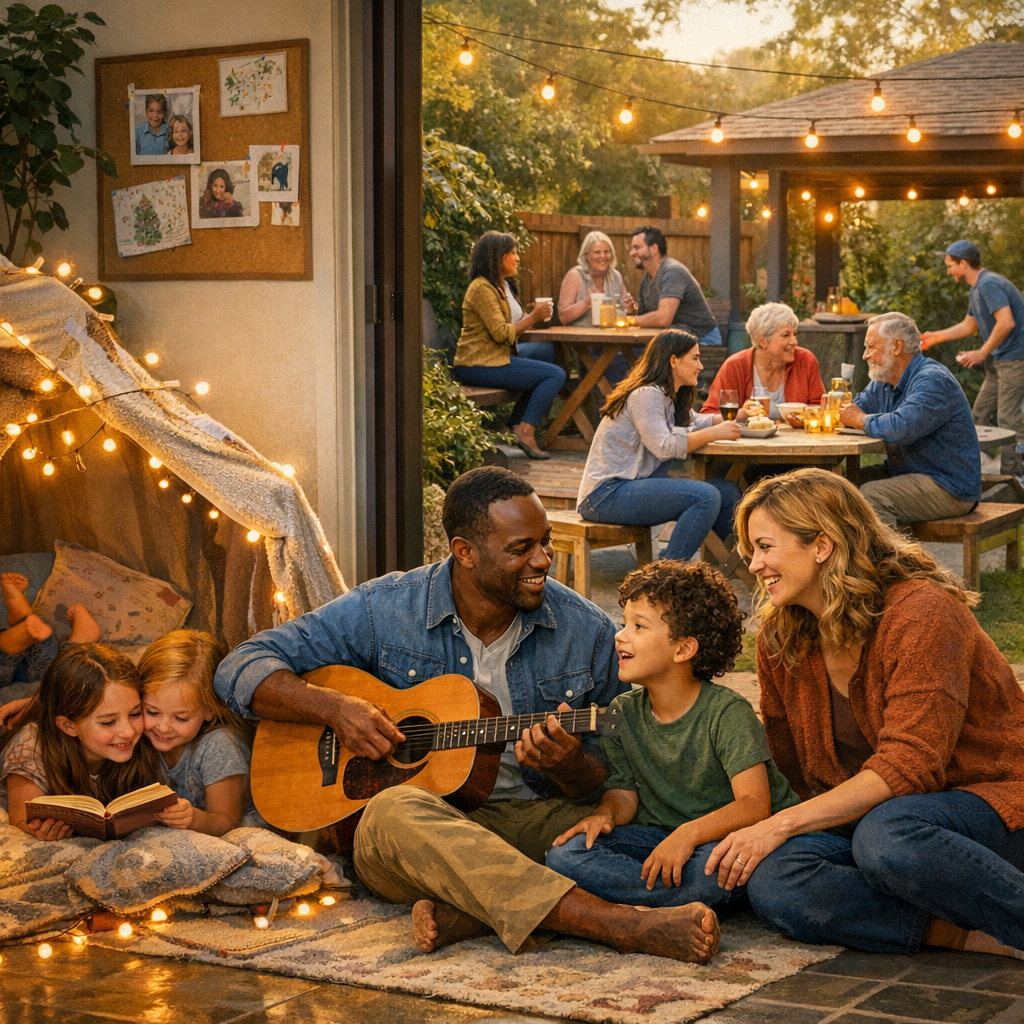
A home is more than just a physical space—it is a place where relationships grow, values are shared, and a sense of belonging is nurtured. Building a strong sense of community within the home fosters emotional well-being, strengthens family bonds, and creates an environment where everyone feels valued and supported.
Encouraging Open Communication
Open communication is the foundation of any strong community. Within the home, this means creating an atmosphere where every member feels comfortable expressing their thoughts, emotions, and ideas. Regular family meetings, shared meals, and one-on-one conversations can help maintain transparency and trust. Listening actively and responding with empathy ensures that everyone’s voice is heard and respected.
Creating Shared Traditions and Rituals
Traditions and rituals give a home its unique identity. Whether it’s a weekly game night, a monthly family outing, or celebrating milestones together, these shared experiences strengthen emotional connections. They provide consistency and comfort, reminding everyone that they are part of something meaningful and enduring.
Designing Spaces for Connection
The physical layout of a home can greatly influence how people interact. Common areas such as living rooms, kitchens, and outdoor spaces should be designed to encourage togetherness. Comfortable seating, inviting lighting, and open layouts promote conversation and shared activities. Even small gestures—like keeping a communal dining table free of clutter—can make a big difference in fostering connection.
Encouraging Collaboration and Shared Responsibility
A strong home community thrives when everyone contributes. Assigning shared responsibilities, such as cooking, cleaning, or gardening, teaches cooperation and accountability. When tasks are approached as collective efforts rather than individual burdens, they become opportunities for teamwork and mutual support.
Supporting Individual Growth
While community is about togetherness, it also involves respecting individuality. Encouraging each member to pursue their interests and goals helps maintain balance within the household. Celebrating personal achievements and providing emotional support during challenges reinforces the idea that the community values each person’s unique contributions.
Extending Community Beyond the Home
A home with a strong sense of community often extends its warmth outward. Engaging with neighbors, volunteering, or participating in local events helps strengthen social ties and fosters a broader sense of belonging. When family members see their home as part of a larger network, they develop empathy, social awareness, and a deeper appreciation for collective well-being.
Conclusion
Cultivating a home with a strong sense of community requires intention, patience, and care. By fostering open communication, creating shared traditions, designing spaces for connection, and supporting both collaboration and individuality, families can build environments that nurture love, trust, and unity. Ultimately, a home grounded in community becomes a source of strength and joy for everyone who lives within it.
Leave a Reply