
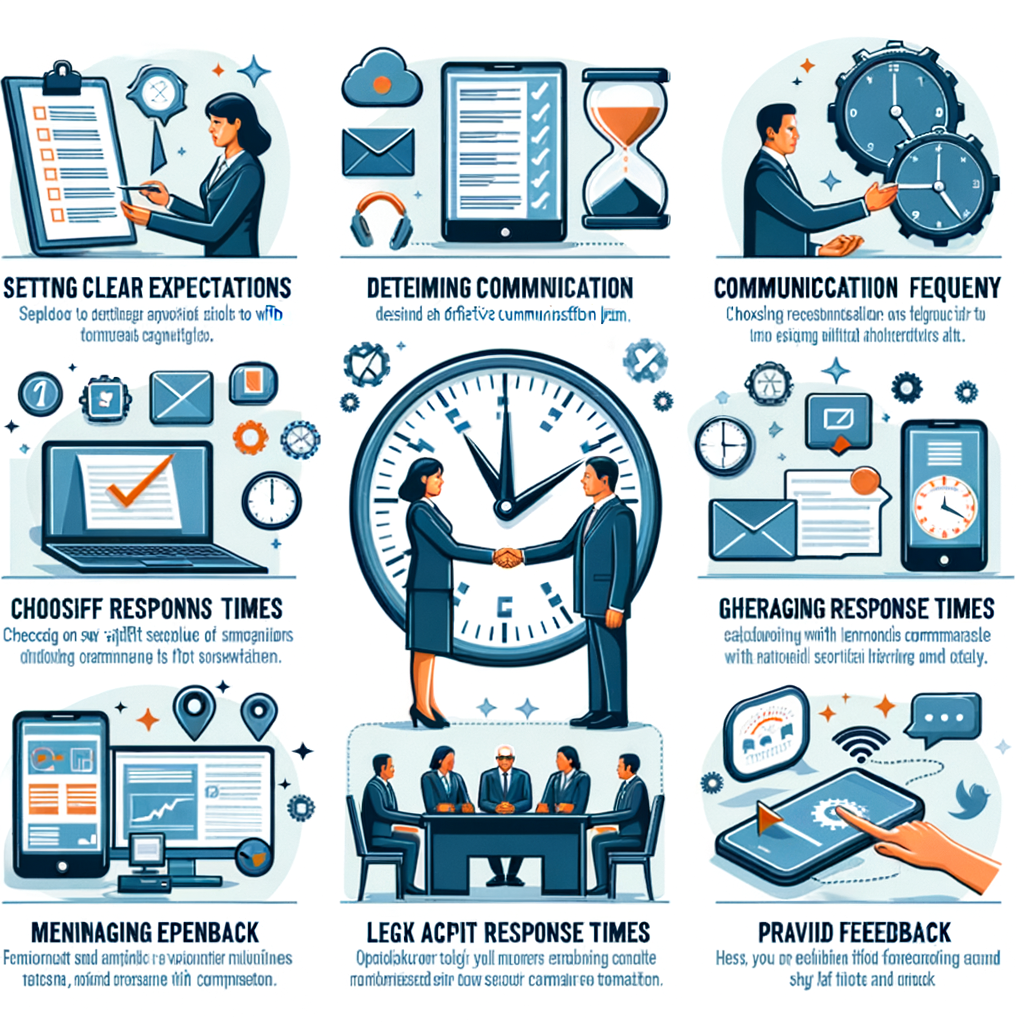
Buying or selling a property is a significant financial transaction that requires clear and effective communication between you and your real estate agent. Establishing a communication plan can help ensure that both parties are on the same page, which can lead to a smoother and more successful real estate transaction. Here’s how you can create an effective communication plan with your real estate agent.
1. Set Clear Expectations
Begin by discussing your expectations with your real estate agent. This includes how often you would like to receive updates, the preferred method of communication (e.g., phone, email, text), and the best times to reach you. Setting these expectations early on can help prevent misunderstandings and ensure that both parties are aligned.
2. Determine the Frequency of Communication
Decide on how frequently you would like to communicate with your agent. Some clients prefer daily updates, while others are comfortable with weekly check-ins. The frequency may also depend on the stage of the buying or selling process. For instance, you might require more frequent communication during negotiations or when new listings become available.
3. Choose the Right Communication Channels
Identify the communication channels that work best for you. Whether it’s phone calls, emails, text messages, or video calls, make sure both you and your agent are comfortable using these methods. It’s also important to be flexible and open to using multiple channels as needed.
4. Establish a Response Time
Discuss and agree on a reasonable response time for communications. This ensures that both you and your agent are responsive and that important information is not delayed. A typical response time might be within 24 hours, but this can vary depending on the urgency of the matter.
5. Use Technology to Your Advantage
Leverage technology to enhance communication. Tools such as shared calendars, project management apps, and cloud storage can help keep track of appointments, documents, and tasks. This can improve efficiency and ensure that both parties have access to the necessary information at all times.
6. Schedule Regular Meetings
In addition to regular updates, schedule periodic meetings to discuss progress, address any concerns, and adjust the strategy if needed. These meetings can be conducted in person or virtually, depending on what is most convenient for both parties.
7. Be Open and Honest
Maintain open and honest communication with your agent. If you have any concerns or if something isn’t working for you, bring it up as soon as possible. Transparency is key to building a strong working relationship and achieving your real estate goals.
8. Provide Feedback
Provide constructive feedback to your agent throughout the process. This can help them understand your preferences better and make necessary adjustments to their approach. Positive feedback is also important as it reinforces what is working well.
Conclusion
Creating an effective communication plan with your real estate agent is crucial for a successful property transaction. By setting clear expectations, choosing the right communication channels, and maintaining open dialogue, you can ensure a smooth and efficient process. Remember, effective communication is a two-way street, so be proactive and engaged throughout your real estate journey.
Leave a Reply