
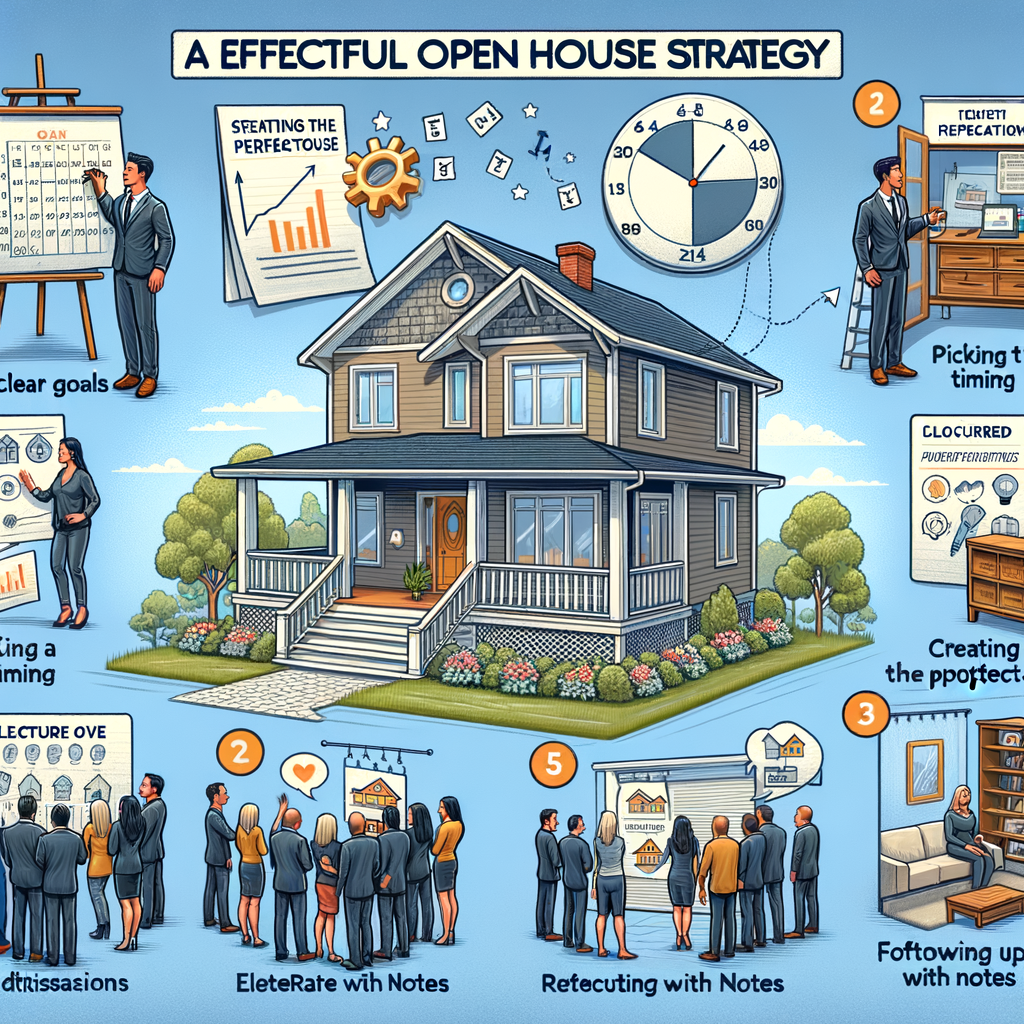
Creating a Winning Open House Strategy
Hosting an open house is one of the most effective ways to attract potential buyers and generate interest in a property. A well-planned open house not only showcases the home’s best features but also creates an inviting atmosphere that encourages visitors to envision themselves living there. To achieve this, a comprehensive strategy is essential.
1. Set Clear Goals
Before planning the event, define what success looks like. Are you aiming to attract a specific number of visitors, generate multiple offers, or simply increase awareness of the listing? Establishing measurable goals helps guide your marketing efforts and allows you to evaluate results afterward.
2. Choose the Right Timing
Timing can significantly influence attendance. Weekends, particularly Sunday afternoons, tend to draw the largest crowds. Avoid scheduling during major local events or holidays that might compete for attention. Consider the property’s location and target audience when selecting the date and time.
3. Prepare the Property
First impressions matter. Ensure the home is spotless, well-lit, and free of clutter. Stage each room to highlight its best features, using neutral décor that appeals to a broad audience. Pay attention to curb appeal—fresh landscaping, a clean walkway, and a welcoming entryway can make a lasting impact.
4. Market the Event Effectively
Promote the open house through multiple channels to maximize visibility. Use online listings, social media, email campaigns, and local signage to reach potential buyers. High-quality photos and engaging descriptions can capture attention and encourage attendance. Don’t forget to notify neighbors—they can be valuable advocates and may know someone interested in moving to the area.
5. Create an Inviting Atmosphere
On the day of the event, ensure the home feels warm and welcoming. Play soft background music, open curtains to let in natural light, and maintain a comfortable temperature. Offer light refreshments to make guests feel at ease. Provide printed materials with property details and your contact information for follow-up.
6. Engage with Visitors
Be approachable and ready to answer questions, but avoid being overly intrusive. Allow visitors to explore at their own pace while offering insights about the home’s features, neighborhood amenities, and recent upgrades. Collect contact information for follow-up communication, ensuring compliance with privacy regulations.
7. Follow Up Promptly
After the open house, reach out to attendees within 24 to 48 hours. Thank them for visiting, provide additional information if requested, and gauge their level of interest. Personalized follow-up messages demonstrate professionalism and can help convert casual visitors into serious buyers.
8. Evaluate and Refine
Review the results of your open house to identify what worked well and what could be improved. Analyze attendance numbers, feedback, and any offers received. Use these insights to refine your approach for future events, continually improving your strategy for maximum effectiveness.
Conclusion
A successful open house requires more than just opening the doors—it demands thoughtful planning, strategic marketing, and genuine engagement. By setting clear objectives, preparing the property meticulously, and following up effectively, real estate professionals can create an open house experience that not only attracts buyers but also drives meaningful results.
Leave a Reply