
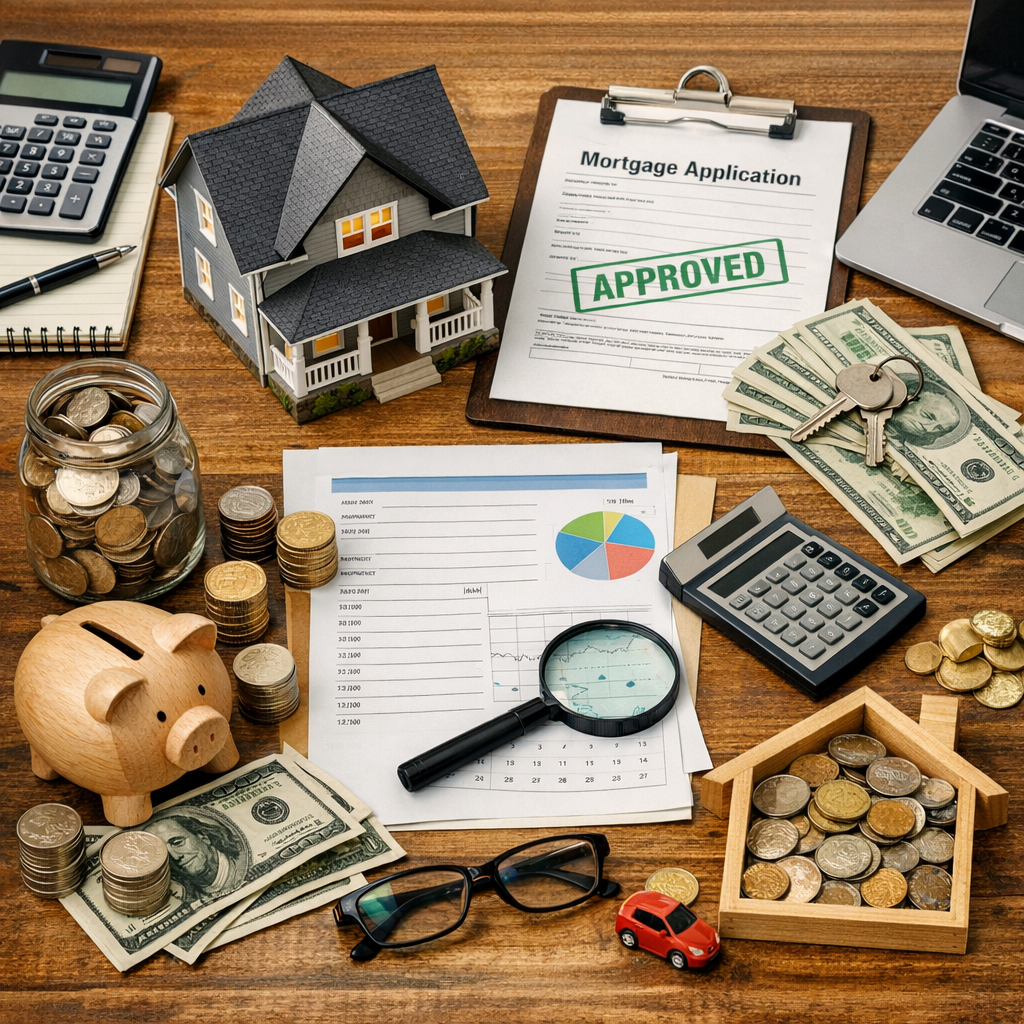
Buying a home is one of the most significant financial decisions you will make. Before you start browsing listings or visiting open houses, it’s essential to determine how much you can afford. Calculating your home buying budget helps you set realistic expectations, avoid financial strain, and make informed decisions throughout the process.
1. Assess Your Financial Situation
Start by evaluating your current financial health. Review your income, savings, debts, and monthly expenses. Understanding your cash flow will give you a clear picture of how much you can allocate toward a mortgage payment without compromising your lifestyle or other financial goals.
- Income: Include all sources of income such as salary, bonuses, and side earnings.
- Debts: List all outstanding debts including credit cards, student loans, and car payments.
- Savings: Consider how much you have saved for a down payment, closing costs, and an emergency fund.
2. Determine Your Down Payment
Your down payment significantly impacts your home buying budget. A larger down payment reduces the loan amount, lowers monthly payments, and may help you avoid private mortgage insurance (PMI). Conventional loans typically require between 5% and 20% down, while government-backed loans may allow for smaller down payments.
3. Calculate Your Debt-to-Income Ratio (DTI)
Lenders use your debt-to-income ratio to assess your ability to manage monthly payments. To calculate your DTI, divide your total monthly debt payments by your gross monthly income. Most lenders prefer a DTI below 43%, though lower ratios are more favorable.
4. Estimate Your Monthly Mortgage Payment
Your monthly mortgage payment includes principal, interest, property taxes, and homeowners insurance (often referred to as PITI). Use an online mortgage calculator to estimate your payment based on different loan amounts, interest rates, and terms. This will help you understand how various factors affect affordability.
5. Account for Additional Homeownership Costs
Owning a home involves more than just paying the mortgage. Be sure to include other expenses in your budget:
- Property taxes and homeowners insurance
- Maintenance and repairs
- Utilities and homeowners association (HOA) fees
- Furnishings and upgrades
6. Get Pre-Approved for a Mortgage
Before making an offer, consider getting pre-approved by a lender. Pre-approval provides a clear estimate of how much you can borrow and demonstrates to sellers that you are a serious buyer. It also helps you refine your budget based on actual lending terms.
7. Build a Financial Cushion
Unexpected expenses can arise after purchasing a home. Setting aside funds for emergencies ensures you can handle repairs or financial setbacks without jeopardizing your mortgage payments. A good rule of thumb is to maintain at least three to six months of living expenses in savings.
8. Review and Adjust Your Budget
Your financial situation may change over time, so it’s important to revisit your budget periodically. Adjust for changes in income, interest rates, or personal goals to ensure your home remains affordable in the long term.
Conclusion
Calculating your home buying budget is a crucial first step toward successful homeownership. By carefully evaluating your finances, understanding your borrowing capacity, and planning for ongoing costs, you can make confident decisions and find a home that fits both your needs and your financial comfort zone.
Leave a Reply