
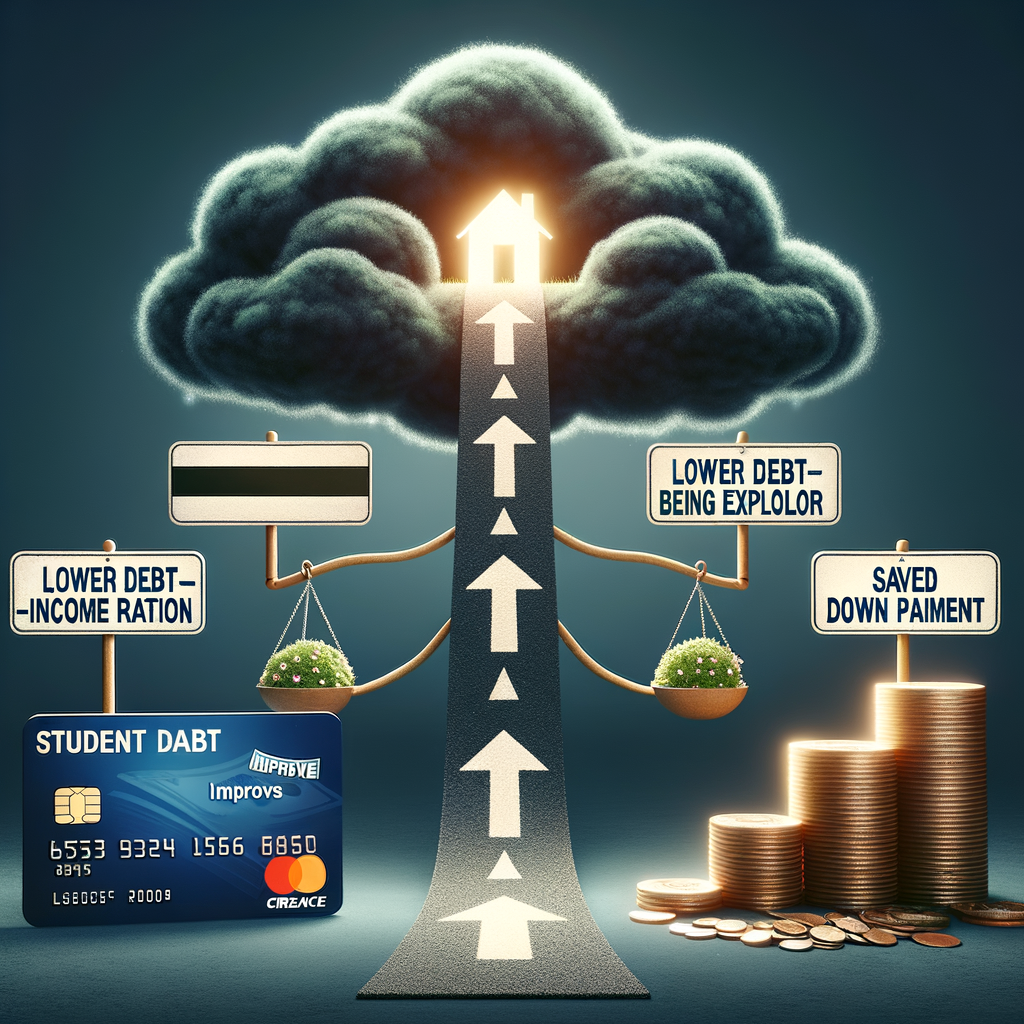
Understand How Student Loans Affect Your Mortgage Application
When applying for a mortgage, lenders evaluate your financial health by examining your credit score, income, and debt-to-income (DTI) ratio. Student loans directly impact your DTI ratio, which measures how much of your monthly income goes toward debt payments. A high DTI can make it harder to qualify for a mortgage or may limit the amount you can borrow.
To improve your chances, consider paying down existing debt, consolidating loans, or enrolling in an income-driven repayment plan to lower your monthly payments. These steps can help reduce your DTI and make you a more attractive borrower.
Check and Improve Your Credit Score
Your credit score plays a crucial role in determining your mortgage eligibility and interest rate. Student loans can either help or hurt your credit, depending on how you manage them. Making consistent, on-time payments demonstrates financial responsibility and can boost your score over time.
Before applying for a mortgage, review your credit report for errors and take steps to improve your score. Paying bills on time, reducing credit card balances, and avoiding new debt can all contribute to a stronger credit profile.
Explore Different Mortgage Options
Not all mortgages are created equal, and some programs are more favorable for borrowers with student loans. Government-backed loans such as FHA, VA, and USDA loans often have more flexible credit and DTI requirements. Conventional loans may also be an option if you have a solid credit history and stable income.
It’s wise to compare different loan types, down payment requirements, and interest rates to find the best fit for your financial situation. Consulting with a mortgage advisor can help you understand which programs you qualify for and what terms are most advantageous.
Save for a Down Payment and Closing Costs
Saving for a down payment can be challenging when you’re also managing student loan payments. However, a larger down payment can reduce your monthly mortgage costs and improve your loan terms. Consider setting up a dedicated savings account and automating contributions to build your fund gradually.
Additionally, research down payment assistance programs, grants, or employer-sponsored benefits that can help first-time homebuyers. These resources can make homeownership more accessible even if you’re balancing student debt.
Get Preapproved Before House Hunting
Getting preapproved for a mortgage gives you a clear picture of how much you can afford and strengthens your position as a buyer. During preapproval, lenders review your income, credit, and debt obligations, including student loans. This process helps you set realistic expectations and avoid falling in love with homes outside your budget.
Consider Your Long-Term Financial Goals
Before committing to a mortgage, think about how homeownership fits into your broader financial plan. Owning a home can build equity and stability, but it also comes with ongoing expenses such as maintenance, property taxes, and insurance. Make sure you have an emergency fund and a sustainable budget that accommodates both your mortgage and student loan payments.
Final Thoughts
Buying a home with student loans is entirely possible with careful planning and financial discipline. By understanding how your loans affect your mortgage eligibility, improving your credit, exploring loan options, and saving strategically, you can take meaningful steps toward achieving homeownership. With the right preparation, your student debt doesn’t have to stand in the way of your dream home.
Leave a Reply