
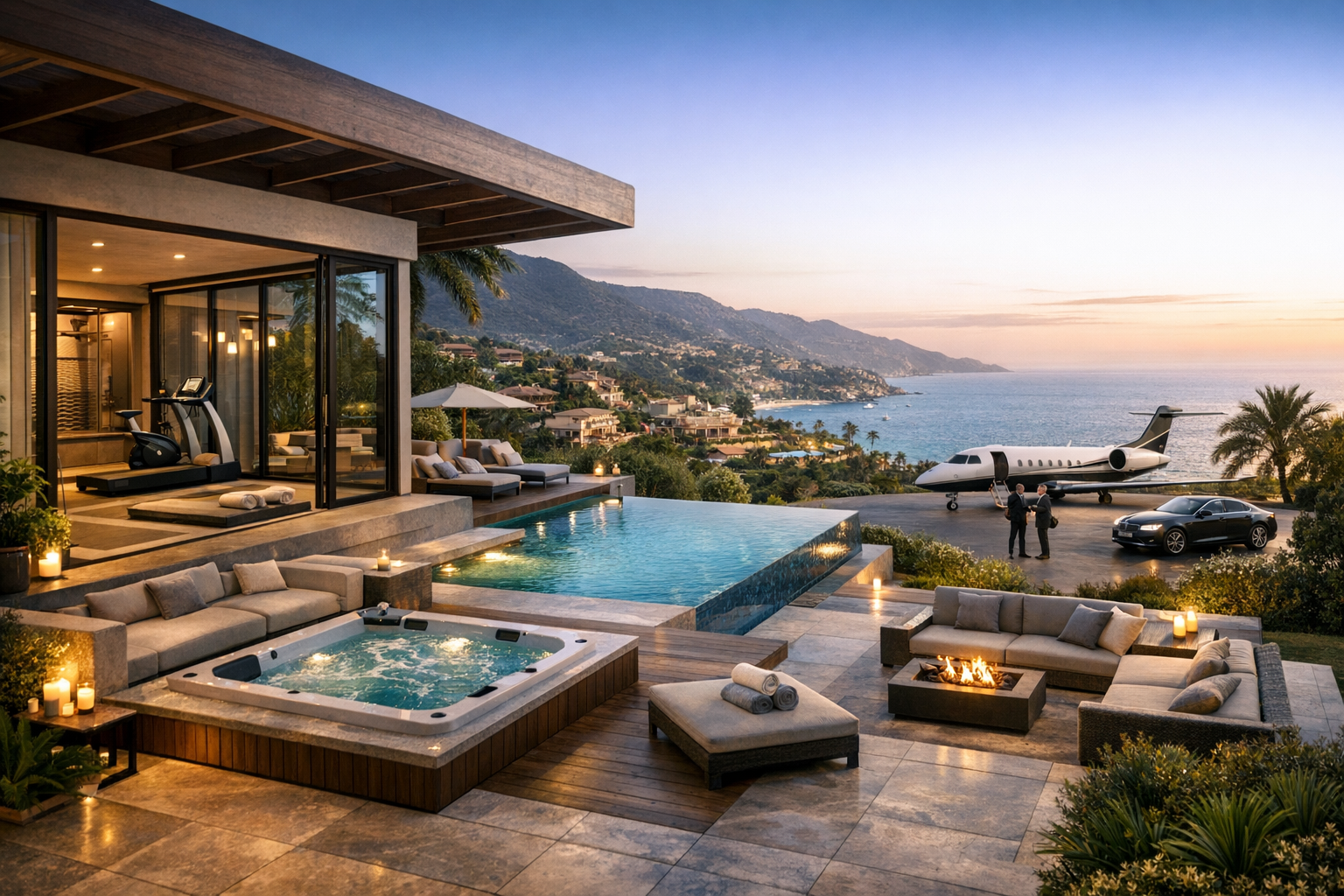
Luxury buyers are rewriting the rules of high-end property. They move quickly, value privacy, and use homes as both investments and lifestyle anchors. Understanding how affluent buyer trends are shifting gives sellers, developers, and agents a clear advantage in pricing, marketing, and product design. From wellness-centric estates to off-market deals, the luxury real estate market is being shaped by distinct preferences that reward thoughtful strategy.
The New Meaning of Luxury: Wellbeing, Privacy, and Experience
Traditional markers like marble finishes and famous architects still matter, but affluent clients now judge a residence by how it protects health, time, and privacy. The most competitive properties feel like self-contained resorts with systems that promote comfort and control.
Wellness-Forward Living
Wellness has moved from bonus amenity to baseline expectation. Buyers want air purification with MERV-13 or HEPA filtration, whole-home water filtration, high-quality insulation, and materials with low VOCs. Many top-tier properties feature spa-grade bathrooms, infrared saunas, cold plunge pools, oxygen-enhanced fitness rooms, and spaces for recovery and meditation. Outdoor walking paths, natural light planning, and acoustics that reduce noise fatigue are increasingly common selling points.
Privacy, Safety, and Discretion
High-net-worth individuals place a premium on discretion. Secure perimeters, integrated camera systems, panic rooms, biometric access, and discrete service entries are valued. In urban settings, private elevators, keyed floors, and boutique buildings with low resident counts reduce exposure. Staff workflows that keep daily operations invisible matter as much as hardware security.
Experience Over Excess
Instead of adding square footage without purpose, buyers seek spaces that enrich daily life. Think chef-led kitchens with hidden prep zones, screening rooms with acoustic calibration, professional-grade golf simulators, temperature-controlled wine galleries, and well-designed kid zones. Hotel-level services such as in-residence dining, housekeeping coordination, and concierge partnerships elevate experience and free up time.
Where Affluent Buyers Are Concentrating Capital
Affluent buyers are mobile and taxes, lifestyle, and global connectivity shape purchase decisions. Currency movements and geopolitical considerations also guide cross-border acquisitions.
Global Gateway Cities
New York, London, Paris, Dubai, Singapore, and Hong Kong continue to attract capital for their liquidity, culture, and business networks. Buyers prize blue-chip addresses near top schools and private clubs. Trophy penthouses and historically significant townhouses hold long-term appeal due to scarcity.
Lifestyle Towns and Resort Markets
Palm Beach, Aspen, Jackson Hole, the Hamptons, Lake Tahoe, and European alpine and coastal enclaves remain magnets for second and third homes. Year-round recreation, private club access, and a strong service economy keep values resilient. Short flight times from major hubs and reliable private aviation facilities influence selection.
Tax-Efficient Jurisdictions and Residency Plays
Tax strategy matters. States like Florida, Texas, and Nevada draw domestic buyers seeking no state income tax. Internationally, residency-by-investment programs and favorable property regimes bring interest to Portugal, the UAE, and select Caribbean nations. Buyers evaluate property along with legal structure, banking access, and estate planning.
Secondary Cities and Quality-of-Life Hubs
Smaller markets with strong hospitals, reputable schools, and outdoor access benefit from remote and flexible work. Properties with land buffers near Nashville, Austin, Scottsdale, and mountain or wine country towns provide privacy without sacrificing amenities.
Property Features That Win in the Luxury Segment
Design decisions can expand a buyer pool and support premium pricing. The most successful homes blend functionality, craftsmanship, and environmental performance.
Flexible Floor Plans for Real Life
Dual home offices, private study nooks, and convertible rooms are essential. Many buyers want a separate suite for a live-in nanny, wellness coach, or visiting family. Clear division between formal entertaining zones and casual family spaces helps properties serve multiple uses without friction.
Indoor-Outdoor Integration
Generous terraces, loggias, and sliding walls that open to landscaped courtyards extend living areas. Outdoor kitchens with vented hoods, pizza ovens, heaters, and shade systems enable year-round dining. Pools with resistance jets, plunge pools, and spa zones add a resort feel while staying functional for daily routines.
Smart, Efficient, and Resilient Systems
Buyers appreciate smart-home platforms that control lighting, climate, security, and shades without complexity. Battery backup, solar arrays, car chargers, and high-efficiency HVAC reduce operating risk and cost. Thoughtful IT closets, enterprise-grade Wi-Fi, and sound isolation keep a home reliable and quiet.
Spaces for Passions
Collections drive design choices. Climate-stable galleries for art, polished concrete or epoxy floors for car showrooms, and precision storage for wine are common requests. Dedicated music rooms, maker spaces, and performance kitchens with commercial ventilation support hobbies that are part of daily life.
How Affluent Buyers Search and Close Deals
The journey from curiosity to contract has shifted. Information density is higher, confidentiality is tighter, and execution favors teams that can move with certainty.
Off-Market and Private Networks
Many high-value transactions happen quietly. Discreet showings, NDAs, and private databases shield identities and pricing strategies. Agents with strong referral networks, membership in vetted associations, and relationships with family offices control meaningful deal flow.
Digital-First Discovery With Human Validation
High-resolution video, measured floor plans, and virtual tours filter options fast. Yet final decisions hinge on touch and context. Buyers want neighborhood walks, noise readings at different times of day, and a feel for building governance and service quality before committing.
Speed, Certainty, and Clean Terms
Cash, proof of funds, and pre-negotiated diligence reduce friction. Short contingency periods, retained specialists on call, and title work ordered early build credibility. In competitive segments, a seller will often prefer a slightly lower price if it comes with a smoother path to closing.
Alternative Currencies and Financing Nuance
Some buyers explore alternative assets or cross-collateralization to preserve liquidity. A few markets see transactions that convert digital assets to cash prior to closing, guided by compliance counsel. More common are securities-backed lines of credit, interest-only loans, and trust structures that balance privacy with tax and estate goals.
The Investment Logic Behind Luxury Purchases
For affluent buyers, a residence is both a lifestyle asset and a portfolio component. The best acquisitions meet personal needs while protecting capital through cycles.
Diversification and Currency Considerations
Prime property can hedge currency risk and inflation, especially in supply-constrained areas. Buyers often pair a primary urban residence with a resort home, spreading exposure across markets and use cases. Title structures consider cross-border inheritance and reporting requirements.
Trophy Properties vs. Value-Add Plays
Trophy assets trade on scarcity and provenance. They hold value through design pedigree, view corridors, or landmark addresses. Value-add homes attract buyers who can reposition through renovation, sustainability upgrades, or reprogramming of underused space. Both approaches work when exit strategies are planned up front.
Legacy Planning and Family Offices
Multi-generational planning shapes acquisitions. Separate wings for adult children, aging-in-place design, and staff quarters help a property serve decades of use. Family offices look for clean ownership structures, low-maintenance landscaping, and predictable operating costs to preserve optionality for heirs.
What Sellers, Developers, and Agents Should Do Now
Winning with affluent buyers requires precision. Small improvements in comfort, privacy, and story often create outsized results.
- Lead with wellness: document air and water quality, ventilation specs, and materials. If gaps exist, plan targeted upgrades that are easy to verify.
- Strengthen privacy: review access control, camera coverage, elevator security, and service pathways. Provide a clear security narrative without being theatrical.
- Elevate digital assets: invest in measured plans, accurate site maps, day-and-night photography, and short videos that show flow and sound levels.
- Show operations: provide maintenance logs, energy bills, smart system manuals, and vendor lists. Certainty reduces negotiation drag.
- Stage for lifestyle: set up a functional office, wellness area, and outdoor dining scene. Buyers need to see the daily rhythm.
- Offer a pre-listing inspection and resolve easy fixes to shorten contingencies and support pricing.
- Market through trusted circles: cultivate private channels and partnerships with wealth advisors, family offices, and club communities.
- Price for scarcity, not just comps: factor irreplaceable elements like view corridors, zoning constraints, and provenance.
Signals to Watch Over the Next 12 Months
Several indicators will guide strategy as conditions shift. Keeping a close eye on these signals helps you anticipate demand and time listings.
Flight Patterns and Visa Policies
Route expansions, private aviation capacity, and residency policy changes can redirect interest between regions. A new nonstop route or updated visa rule can lift a niche market within a quarter.
Cost of Capital and Liquidity
Changes in interest rates affect jumbo loans and securities-backed lines. While many luxury buyers use cash, portfolio borrowing costs still influence timing and leverage decisions.
Insurance and Climate Resilience
Premium shifts, wildfire mitigation rules, and flood mapping updates can move buyers toward homes with defensible space, hardening, and documented risk mitigation. Properties that disclose resilience measures attract confidence.
Positioning for the Next Phase of Luxury Real Estate
Affluent buyer trends point to a clear formula: protect health, protect time, and protect capital. Homes that balance wellness systems with airtight privacy, deliver flexible spaces for work and leisure, and provide reliable operations will outcompete peers. Sellers and developers that communicate these strengths with evidence, not adjectives, gain trust and capture premiums. For agents, curating quiet networks and producing decision-grade information turns interest into action.
The luxury real estate market rewards preparation. Build for how high-net-worth individuals live now, verify what you claim, and keep your ear to the ground on mobility, tax, and risk signals. Do that consistently and your properties will remain relevant, resilient, and desirable through the next cycle and beyond.
Leave a Reply