
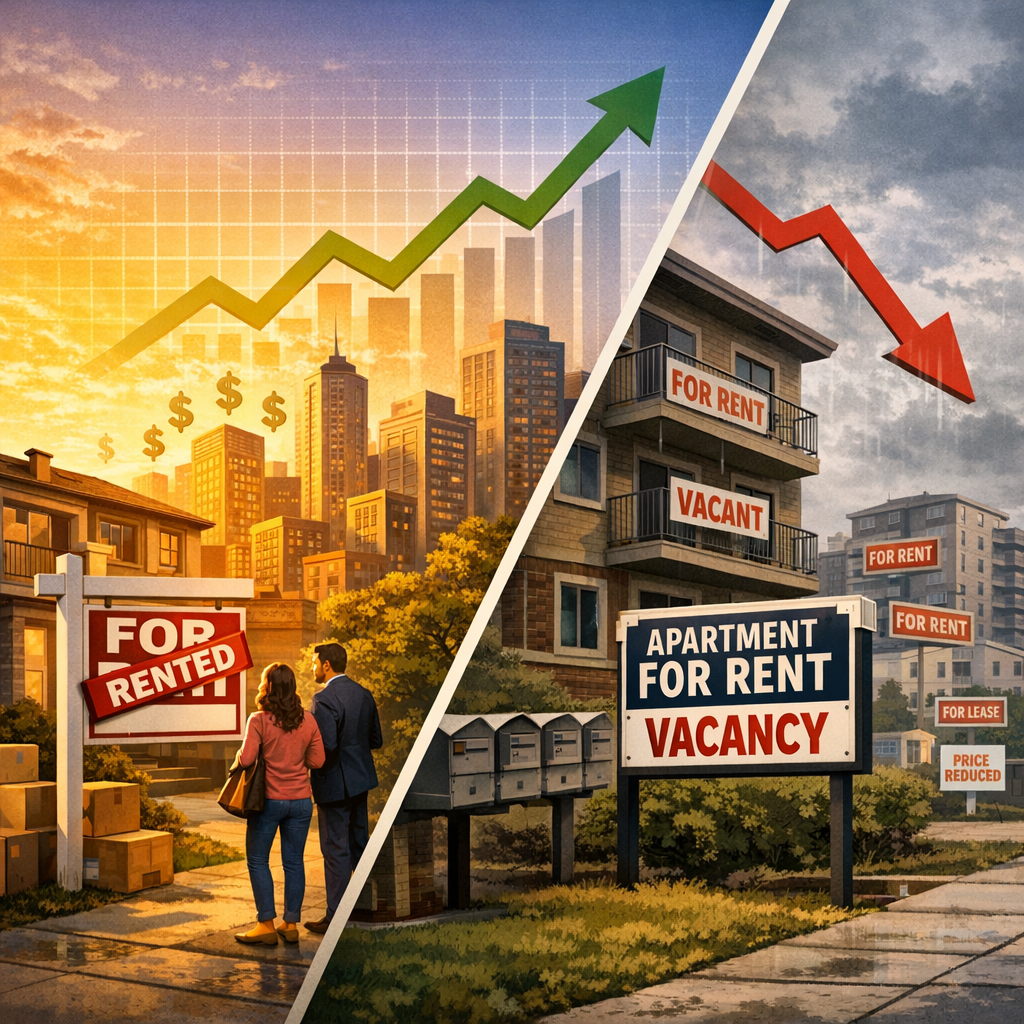
Vacancy rates are one of the most important indicators used to assess the health and dynamics of the rental housing market. They represent the percentage of all available rental properties that are unoccupied at a given time. Understanding vacancy rates helps landlords, tenants, investors, and policymakers make informed decisions about pricing, development, and housing policy.
What Are Vacancy Rates?
A vacancy rate is calculated by dividing the number of vacant rental units by the total number of rental units in a specific area, then multiplying by 100 to get a percentage. For example, if a city has 1,000 rental units and 50 are vacant, the vacancy rate is 5%. This figure provides a snapshot of supply and demand conditions in the rental market.
Interpreting Vacancy Rates
Vacancy rates can reveal whether a rental market favors landlords or tenants. A low vacancy rate typically indicates strong demand for rental housing, meaning tenants may face higher rents and fewer choices. Conversely, a high vacancy rate suggests that supply exceeds demand, giving renters more negotiating power and potentially leading to lower rents.
Economists often refer to a “balanced” vacancy rate, which represents equilibrium between supply and demand. This rate varies by region but often falls between 3% and 5%. When vacancy rates drop below this range, it can signal a housing shortage; when they rise above it, it may indicate oversupply.
Factors Influencing Vacancy Rates
- Economic Conditions: Employment levels, income growth, and overall economic stability affect renters’ ability to afford housing.
- Population Growth: Areas experiencing population increases often see lower vacancy rates due to higher demand for housing.
- New Construction: The addition of new rental units can temporarily raise vacancy rates until the market absorbs the new supply.
- Seasonal Trends: In some regions, rental demand fluctuates seasonally, with higher vacancies during off-peak periods.
- Local Policies: Rent control, zoning laws, and development incentives can all influence the balance between supply and demand.
Why Vacancy Rates Matter
For landlords and property managers, vacancy rates help determine pricing strategies and investment decisions. High vacancy rates may prompt owners to lower rents or offer incentives to attract tenants. For tenants, vacancy rates provide insight into market competitiveness and help identify areas where better deals might be available.
Policymakers and urban planners also rely on vacancy data to guide housing policy. Persistent low vacancy rates can signal the need for more affordable housing development, while high rates may indicate that new construction should slow or shift toward different housing types.
Using Vacancy Rates to Forecast Market Trends
Tracking vacancy rates over time allows analysts to forecast future rental market trends. A steady decline in vacancies often precedes rent increases, while a rising vacancy rate can indicate softening demand. When combined with other metrics such as rent growth, construction activity, and population trends, vacancy rates offer a comprehensive picture of market conditions.
Conclusion
Vacancy rates are a vital measure of the rental market’s balance between supply and demand. They provide valuable insights for all stakeholders, from renters seeking affordable housing to investors evaluating new opportunities. By monitoring vacancy trends and understanding their underlying causes, communities can make more informed decisions that promote stable, sustainable housing markets.
Leave a Reply