
Understanding Rental Agreements: Key Terms and What They Mean
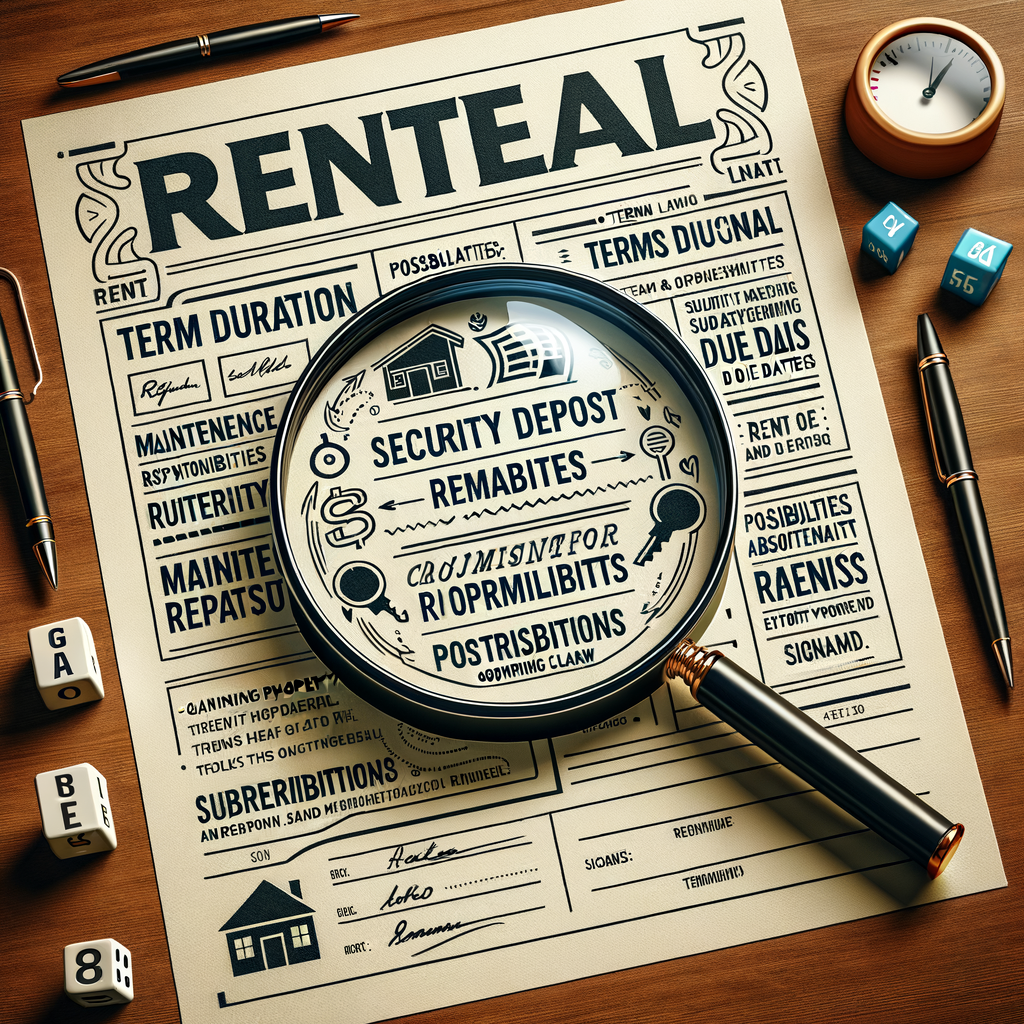
Rental agreements are essential documents that outline the terms and conditions between landlords and tenants. Understanding the key terms in these agreements can help both parties ensure a smooth rental experience. Here, we break down some of the most important terms typically found in rental agreements.
1. Lease Term
The lease term specifies the duration for which the agreement is valid. It can be short-term (a few months) or long-term (usually one year). Understanding the start and end date of your lease is crucial as it affects your moving plans and legal obligations.
2. Rent Amount and Due Date
This section details the rent amount the tenant must pay and when it is due, typically on the first day of each month. It may also include information about late fees, grace periods, and acceptable payment methods.
3. Security Deposit
The security deposit is a sum paid upfront to cover potential damages to the property. This section outlines how much is required, the conditions for refund, and how disputes about the deposit will be handled.
4. Maintenance and Repairs
Responsibilities for maintenance and repairs can vary. Typically, landlords handle major repairs and structural issues, while tenants are responsible for keeping the property clean and reporting any issues promptly.
5. Utilities
This part of the agreement specifies which utilities (electricity, water, gas, internet, etc.) are included in the rent and which are the responsibility of the tenant. It’s important to know what you are paying for and what additional costs you might incur.
6. Subletting
Subletting policies are crucial if you plan to rent out the property to someone else. This section should clarify whether subletting is allowed and under what conditions.
7. Termination and Renewal
This clause explains how the lease can be terminated or renewed. It includes notice periods and the conditions under which either party can end the lease early.
8. Restrictions
Common restrictions might include policies on pets, noise levels, and alterations to the property. Understanding these can help tenants avoid violations and potential penalties.
9. Governing Law
The governing law clause states which jurisdiction’s laws will govern the agreement. This is particularly important in case of disputes or legal issues.
10. Signatures
The agreement must be signed by both the landlord and the tenant, indicating that both parties agree to the terms laid out in the document. Ensure all parties have a copy of the signed agreement for their records.
In conclusion, thoroughly understanding each component of your rental agreement is crucial. It not only helps in maintaining a good relationship with your landlord but also protects your rights as a tenant. Always read the entire agreement carefully before signing, and don’t hesitate to ask for clarifications on any terms that you do not understand.
Leave a Reply