
<article>
  <h1>The Pros and Cons of Rent-to-Own Homes: A Path to Homeownership?</h1>
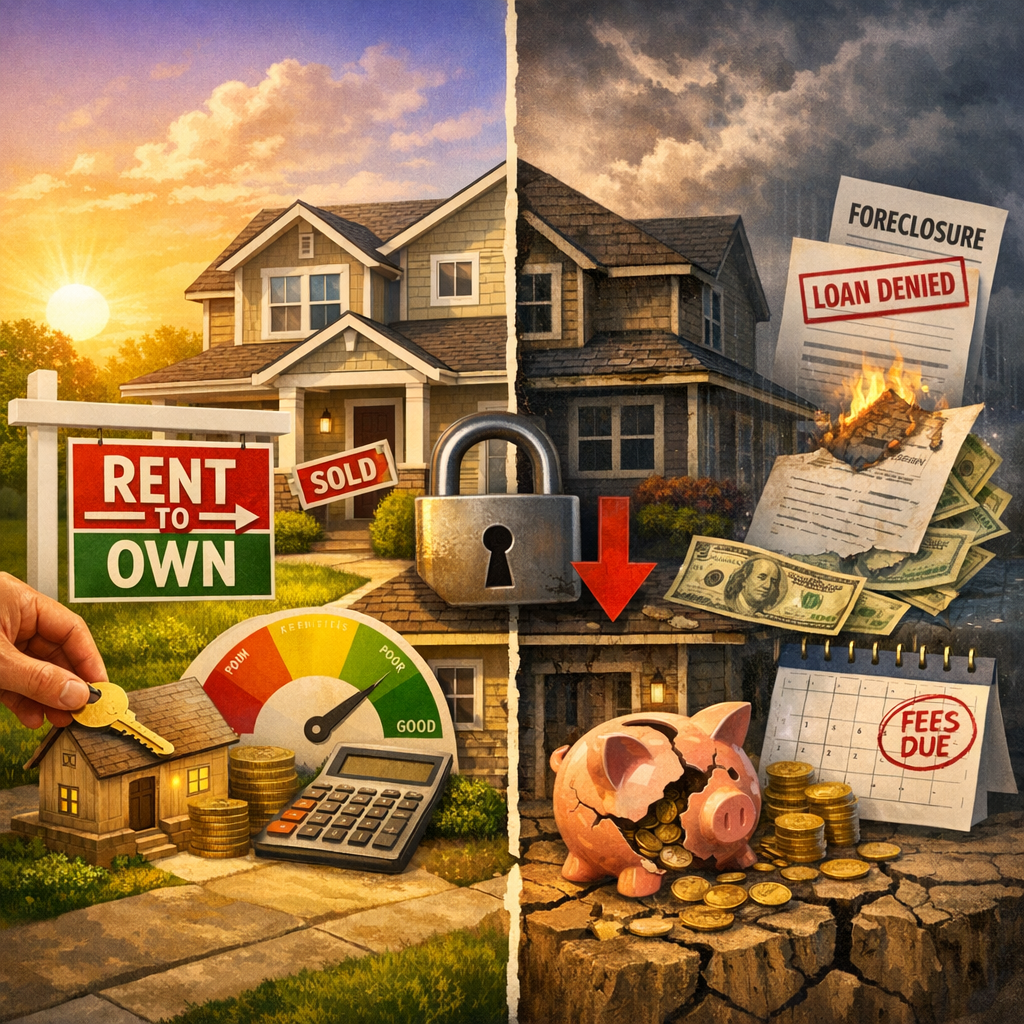
  <p>For many aspiring homeowners, the dream of owning a house can feel out of reach due to financial constraints, credit challenges, or a lack of savings for a down payment. Rent-to-own homes offer an alternative path that bridges the gap between renting and buying. This arrangement allows tenants to rent a property with the option to purchase it later, often applying a portion of their rent toward the eventual purchase price. While this can be an appealing route to homeownership, it comes with both advantages and potential pitfalls.</p>

  <h2>Understanding Rent-to-Own Agreements</h2>
  <p>A rent-to-own agreement typically combines a standard lease with an option to buy the property after a set period, usually one to three years. The tenant pays an upfront option fee, which gives them the right—but not the obligation—to purchase the home at a predetermined price. During the lease term, a portion of the monthly rent may be credited toward the purchase price or down payment.</p>

  <h2>Pros of Rent-to-Own Homes</h2>
  <h3>1. Building Toward Ownership</h3>
  <p>Rent-to-own agreements allow tenants to gradually work toward homeownership while living in the property. This can be especially beneficial for individuals who need time to improve their credit score or save for a larger down payment.</p>

  <h3>2. Locked-In Purchase Price</h3>
  <p>Most rent-to-own contracts establish a fixed purchase price at the beginning of the lease. If property values rise during the rental period, the tenant can benefit by purchasing the home at a lower, pre-agreed price.</p>

  <h3>3. Test-Driving the Home and Neighborhood</h3>
  <p>Renting before buying gives tenants the opportunity to experience the home and neighborhood firsthand. This trial period can help determine whether the property truly meets their needs before committing to a long-term investment.</p>

  <h3>4. Potential Credit Building</h3>
  <p>Some rent-to-own programs report on-time rent payments to credit bureaus, helping tenants strengthen their credit profiles over time. This can improve their chances of qualifying for a mortgage when it’s time to buy.</p>

  <h2>Cons of Rent-to-Own Homes</h2>
  <h3>1. Higher Monthly Payments</h3>
  <p>Rent-to-own agreements often come with higher monthly rent compared to traditional leases. The additional cost is meant to cover the rent credit applied toward the purchase price, which can strain monthly budgets.</p>

  <h3>2. Non-Refundable Option Fees</h3>
  <p>The upfront option fee, typically ranging from 1% to 5% of the home’s price, is usually non-refundable. If the tenant decides not to buy the home or fails to qualify for financing, this money is forfeited.</p>

  <h3>3. Risk of Losing Investment</h3>
  <p>If the tenant misses payments, violates lease terms, or cannot secure a mortgage at the end of the lease, they may lose both the option fee and any rent credits accumulated. This can result in a significant financial loss.</p>

  <h3>4. Market and Maintenance Risks</h3>
  <p>While locking in a purchase price can be advantageous in a rising market, it can also backfire if property values decline. Additionally, rent-to-own tenants are often responsible for maintenance and repairs, which can add unexpected costs.</p>

  <h2>Is Rent-to-Own Right for You?</h2>
  <p>Rent-to-own homes can be a valuable stepping stone for renters who are serious about becoming homeowners but need time to prepare financially. However, it’s crucial to carefully review the contract terms, understand all costs involved, and seek professional advice from a real estate agent or attorney before signing.</p>

  <p>Ultimately, the success of a rent-to-own arrangement depends on clear communication, realistic financial planning, and a thorough understanding of the risks and rewards. For the right buyer, it can be a practical and empowering path toward achieving the dream of homeownership.</p>
</article>
The Pros and Cons of Rent-to-Own Homes: A Path to Homeownership?
Discover more from My-Rebo Your One-Stop Real Estate Marketplace
Subscribe to get the latest posts sent to your email.
Leave a Reply