
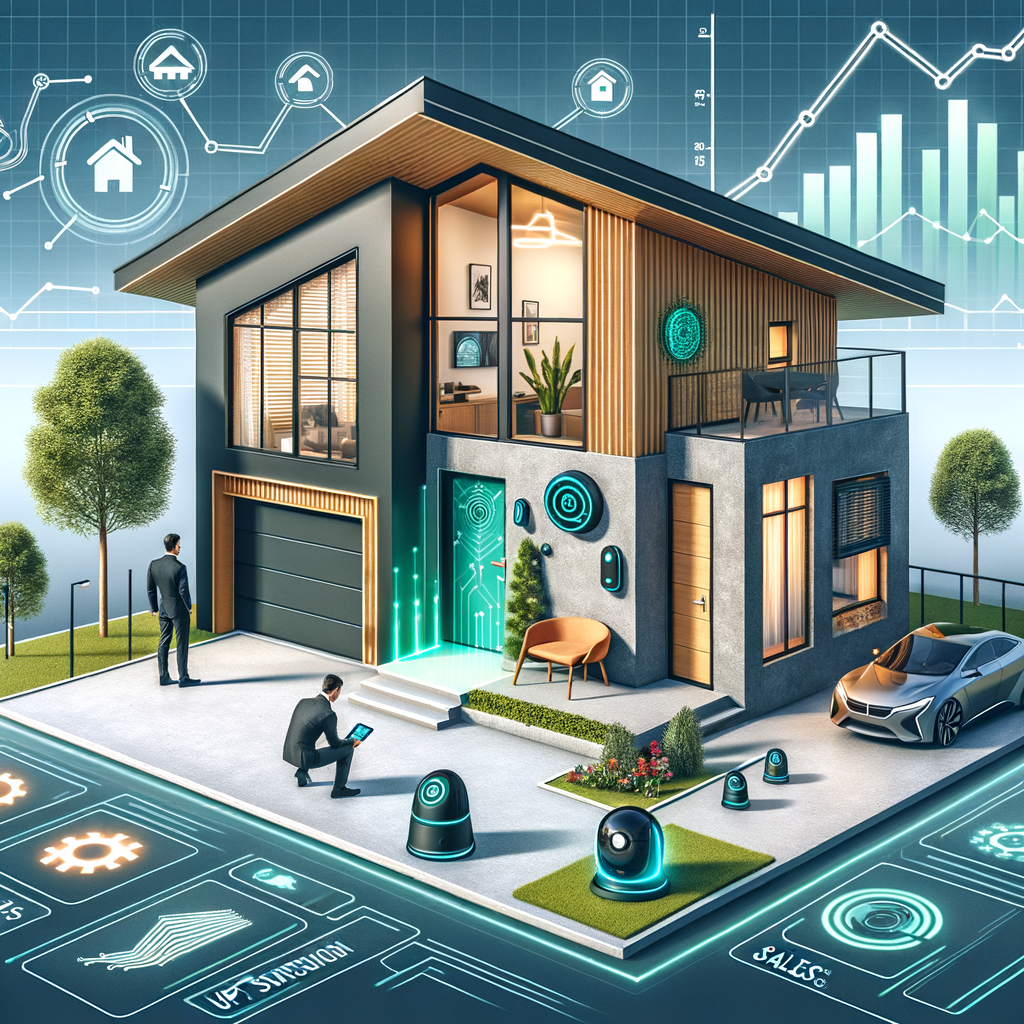
The Impact of Home Automation Features on Sales
In recent years, home automation has evolved from a luxury feature to a mainstream expectation among homebuyers. As technology continues to integrate seamlessly into daily life, smart home features are becoming a key factor influencing property values and sales performance. The growing demand for convenience, energy efficiency, and security has made automated homes more appealing to a wide range of buyers.
Enhancing Property Value
Homes equipped with automation systems often command higher prices in the real estate market. Buyers are willing to pay a premium for properties that offer smart thermostats, lighting controls, and integrated security systems. These features not only provide comfort but also contribute to long-term cost savings through energy efficiency. As a result, sellers who invest in automation technology can see a significant return on investment.
Meeting Buyer Expectations
Modern buyers, particularly younger generations, expect technology to be part of their living environment. Smart home features such as voice-controlled assistants, automated door locks, and connected appliances align with their digital lifestyles. Real estate agents report that listings highlighting these features tend to attract more interest and sell faster than comparable homes without automation.
Energy Efficiency and Sustainability
Energy-efficient automation systems are a major selling point for environmentally conscious buyers. Smart thermostats, lighting systems, and irrigation controls help reduce energy consumption and utility costs. These sustainable features not only appeal to eco-friendly consumers but also align with broader trends toward green building and responsible living.
Improved Security and Peace of Mind
Security remains one of the most compelling reasons buyers seek automated homes. Smart surveillance cameras, motion sensors, and remote monitoring systems provide homeowners with real-time control and alerts. The ability to manage security features from a smartphone or tablet enhances peace of mind and adds tangible value to a property.
Marketing and Competitive Advantage
For real estate professionals, emphasizing home automation in marketing materials can create a competitive edge. Virtual tours showcasing automated lighting, climate control, and entertainment systems help potential buyers visualize a modern, connected lifestyle. In competitive markets, these features can differentiate a property and accelerate the sales process.
Challenges and Considerations
Despite the advantages, integrating home automation can present challenges. Compatibility issues between devices, the need for reliable internet connectivity, and concerns about data privacy may deter some buyers. Sellers and agents must be prepared to address these concerns and provide clear information about system functionality and maintenance.
Conclusion
Home automation has become a defining factor in modern real estate sales. As technology continues to advance, the demand for smart homes will likely increase, influencing both pricing and buyer preferences. For sellers and developers, investing in automation features offers a strategic opportunity to enhance property appeal, improve marketability, and ultimately drive higher sales performance.
Leave a Reply