
1. The Rise of Rental-Based Senior Living
In the past, many retirement communities required large upfront buy-ins or ownership commitments. Today, rental-based senior living is gaining popularity due to its flexibility and affordability. Seniors can enjoy the benefits of community living without the long-term financial burden of property ownership. This model also allows residents to relocate more easily if their needs or preferences change.
2. Emphasis on Wellness and Holistic Health
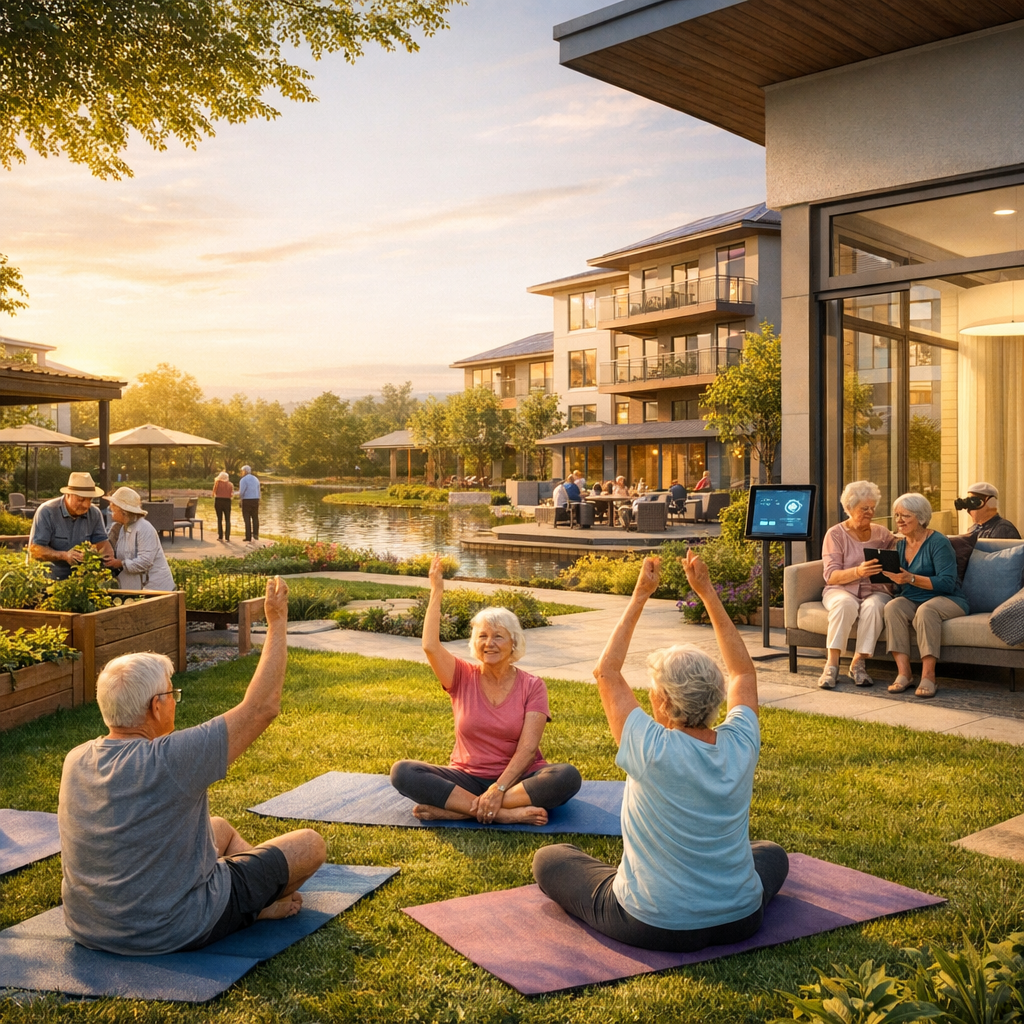
Modern retirement communities are prioritizing wellness as a core component of their offerings. Facilities now include fitness centers, yoga studios, walking trails, and nutrition-focused dining options. Many communities also provide access to on-site healthcare services, mental health support, and wellness programs designed to promote longevity and quality of life.
3. Technology Integration for Safety and Convenience
Technology is transforming the senior living experience. Smart home features such as voice-activated assistants, automated lighting, and emergency alert systems enhance safety and convenience. Additionally, digital platforms enable residents to connect with family, participate in virtual events, and manage their daily schedules. These innovations help seniors maintain independence while ensuring peace of mind for their loved ones.
4. Community and Social Engagement
Social connection is a key factor in healthy aging, and retirement communities are placing greater emphasis on fostering meaningful relationships. Common areas, hobby clubs, volunteer programs, and cultural events encourage residents to stay active and engaged. Many communities also partner with local organizations to create intergenerational programs that bridge the gap between seniors and younger generations.
5. Sustainable and Eco-Friendly Design
Environmental consciousness is influencing the design of senior living rentals. Developers are incorporating sustainable materials, energy-efficient systems, and green spaces into their projects. These eco-friendly features not only reduce operational costs but also appeal to environmentally aware seniors who value sustainability and responsible living.
6. Customizable Living Spaces
Personalization is becoming a hallmark of modern senior housing. Residents can choose from a variety of floor plans, décor options, and service packages that reflect their individual preferences. This flexibility allows seniors to create a living environment that feels like home while still benefiting from the amenities and support of a managed community.
7. Urban and Mixed-Use Developments
Senior living rentals are increasingly being integrated into urban and mixed-use developments. These communities offer proximity to shops, restaurants, healthcare facilities, and cultural attractions. The urban model appeals to active seniors who want to remain connected to city life while enjoying the security and convenience of a supportive environment.
8. The Future of Senior Living Rentals
The future of senior living rentals lies in adaptability and innovation. As expectations evolve, communities will continue to blend hospitality, healthcare, and technology to create enriching environments for older adults. The focus will remain on providing choice, comfort, and connection—ensuring that seniors can thrive in every stage of retirement.
In summary, the senior living rental market is undergoing a dynamic transformation. By embracing flexibility, wellness, technology, and sustainability, retirement communities are redefining what it means to age gracefully and independently in the modern world.
Leave a Reply