
Renting with Bad Credit: Overcoming Financial Hurdles
Bad credit can be a significant barrier when trying to secure a rental property. Landlords and property managers typically check credit scores to evaluate a potential tenant’s financial reliability. However, a low credit score doesn’t necessarily mean you can’t rent a home or apartment. There are strategies and steps you can take to improve your chances of securing a lease, even with a less-than-ideal credit history.
Understanding the Impact of Bad Credit
First, it’s important to understand how credit affects renting. A low credit score suggests to landlords that you may have had trouble paying bills in the past. This can make you a risky candidate compared to applicants with better credit histories. Common reasons for bad credit include unpaid debts, bankruptcy, or a history of late payments.
Strategies to Secure a Rental
Despite these challenges, there are several strategies you can employ to make yourself a more appealing applicant:
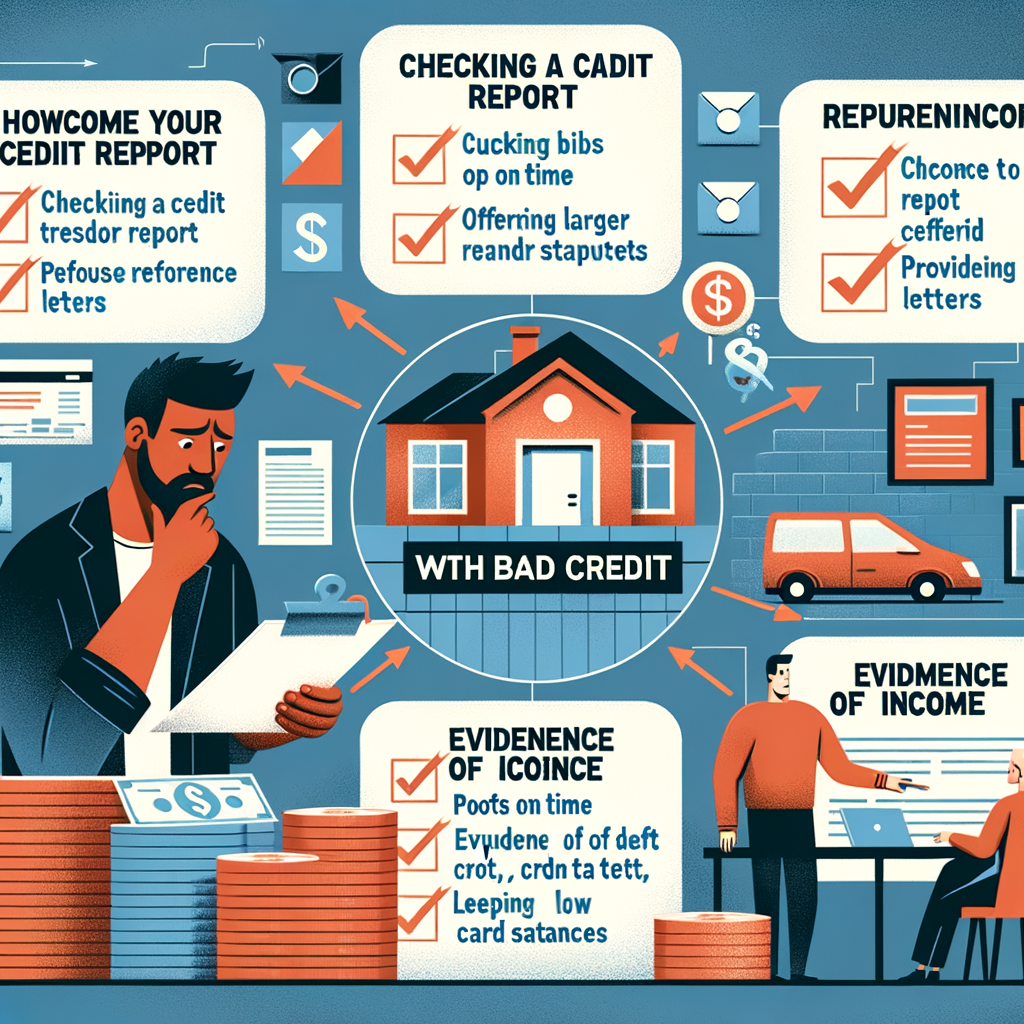
- Check Your Credit Report: Before you start your rental search, obtain a copy of your credit report from all three major credit bureaus. This will allow you to understand exactly what your potential landlord will see. Dispute any errors that might be unfairly lowering your score.
- Be Honest: Be upfront with potential landlords about your credit situation. Some might be willing to listen, especially if you have reasonable explanations for your credit issues, such as medical bills.
- Offer Higher Deposits: Offering to pay a higher security deposit can help alleviate a landlord’s concerns about your creditworthiness. This shows a commitment to maintaining the property and ensuring rent is paid.
- Provide References: References from previous landlords, employers, or other credible sources can help demonstrate your reliability and responsibility. This can be particularly persuasive if your poor credit is a recent development.
- Get a Co-Signer: A co-signer with good credit can back your rental application, providing the landlord with more assurance that the rent will be paid. Make sure that your co-signer understands their obligations.
- Show Proof of Income: Demonstrating that you have a stable and sufficient income can sometimes offset a bad credit score. Provide recent pay stubs or a job offer letter as proof.
- Look for Individual Landlords: Individual landlords may be more flexible than large property management companies when it comes to credit requirements.
Improving Your Credit Score
While you’re looking for a place to rent, it’s also a good idea to take steps to improve your credit score:
- Pay Bills on Time: Consistently paying your bills on time can gradually improve your credit score.
- Reduce Debt: Lowering your overall debt can positively affect your credit score. Focus on paying down high-interest debts first.
- Keep Credit Card Balances Low: Try to maintain low balances on your credit cards. High balances can negatively impact your score.
- Avoid New Credit Applications: Each time you apply for credit, it can cause a small dip in your credit score. Avoid applying for new credit cards or loans unless absolutely necessary.
Conclusion
Renting with bad credit is undoubtedly challenging, but it’s not impossible. By understanding your credit report, addressing issues proactively, and employing strategies to mitigate a landlord’s risk, you can increase your chances of securing a rental. Simultaneously, work on improving your credit score for more opportunities in the future. With determination and careful planning, you can overcome the financial hurdles that bad credit presents.
Leave a Reply