
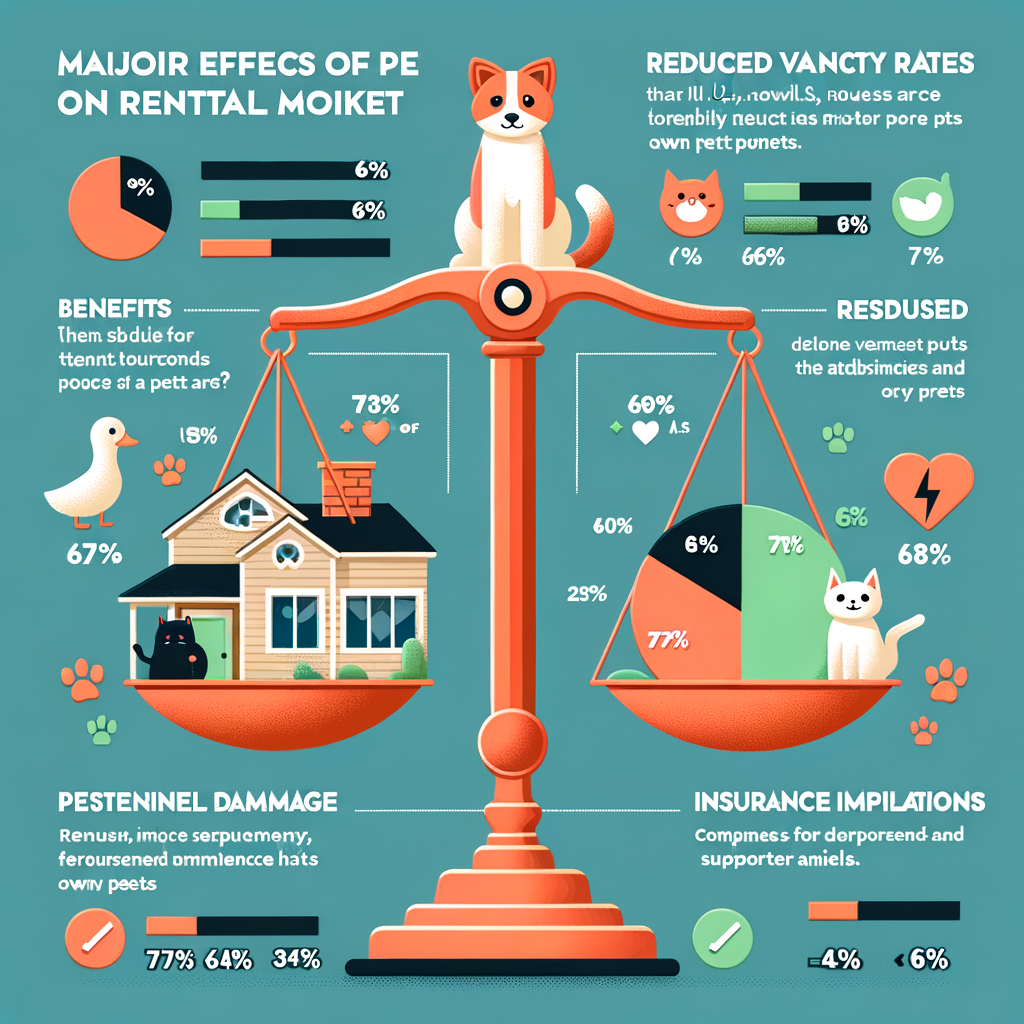
Pet Policies and Rental Markets: How Furry Friends Influence Decisions
In today’s rental market, the inclusion or exclusion of pets can significantly impact both landlords and tenants. This article explores how pet policies are shaping the rental landscape, influencing tenant choices, and affecting landlord revenues.
The Tenant Perspective
For many renters, pets are considered part of the family. A survey by the American Pet Products Association (APPA) shows that approximately 67% of U.S. households, or about 85 million families, own a pet. This high rate of pet ownership transforms pet-friendly rentals into highly sought-after properties. Tenants often face challenges in finding accommodations that accept pets, which can lead to prolonged search times and, in some cases, higher costs.
Increased Demand for Pet-Friendly Rentals
The demand for pet-friendly accommodations has led to a niche market within the rental industry. Properties that allow pets tend to attract more inquiries, which can reduce vacancy rates and increase rental stability. Tenants are also more likely to renew their leases if the pet policies are accommodating, providing a steady income stream for landlords.
Higher Willingness to Pay
Tenants with pets often expect to pay more, either through higher rent or additional fees such as pet deposits or monthly pet rent. These fees can help cover potential costs associated with pet-related wear and tear, giving landlords an incentive to adopt pet-friendly policies.
The Landlord Perspective
From a landlord’s viewpoint, the decision to allow pets involves weighing the potential benefits against the risks. While pet-friendly policies can attract a larger pool of tenants, they also raise concerns about property damage, noise, and liability.
Risks and Rewards
Allowing pets can lead to increased maintenance costs and more frequent repairs. However, the additional revenue from pet fees and potentially higher rent can offset these costs. Moreover, pet-friendly properties tend to have longer tenancy periods, reducing the turnover rates and the costs associated with finding new tenants.
Insurance and Liability
Landlords must consider their insurance policies and whether they cover incidents involving pets. Some insurance policies may require additional premiums if pets are allowed on the premises. Furthermore, landlords need to be aware of their liability for any injuries or damages caused by tenant’s pets.
Regulatory Considerations
Various states and cities have specific regulations regarding rental policies and pets. For example, some jurisdictions may limit the type and number of pets allowed in rental units, while others might have strict guidelines on breed restrictions. Landlords need to be familiar with these regulations to ensure compliance and avoid legal issues.
Service and Emotional Support Animals
It’s important for landlords to distinguish between pets and service or emotional support animals. Under the Americans with Disabilities Act (ADA) and the Fair Housing Act (FHA), service and emotional support animals are not considered pets, and restrictions or fees that apply to pets cannot be applied to these animals.
Conclusion
The decision to implement pet-friendly policies in rental properties is complex and involves various factors from both tenant and landlord perspectives. While the presence of pets can pose challenges, the benefits of accommodating pets in rental properties often outweigh the drawbacks. As the number of pet owners continues to rise, the demand for pet-friendly rentals will likely increase, making it a critical consideration for anyone involved in the rental market.
Leave a Reply