
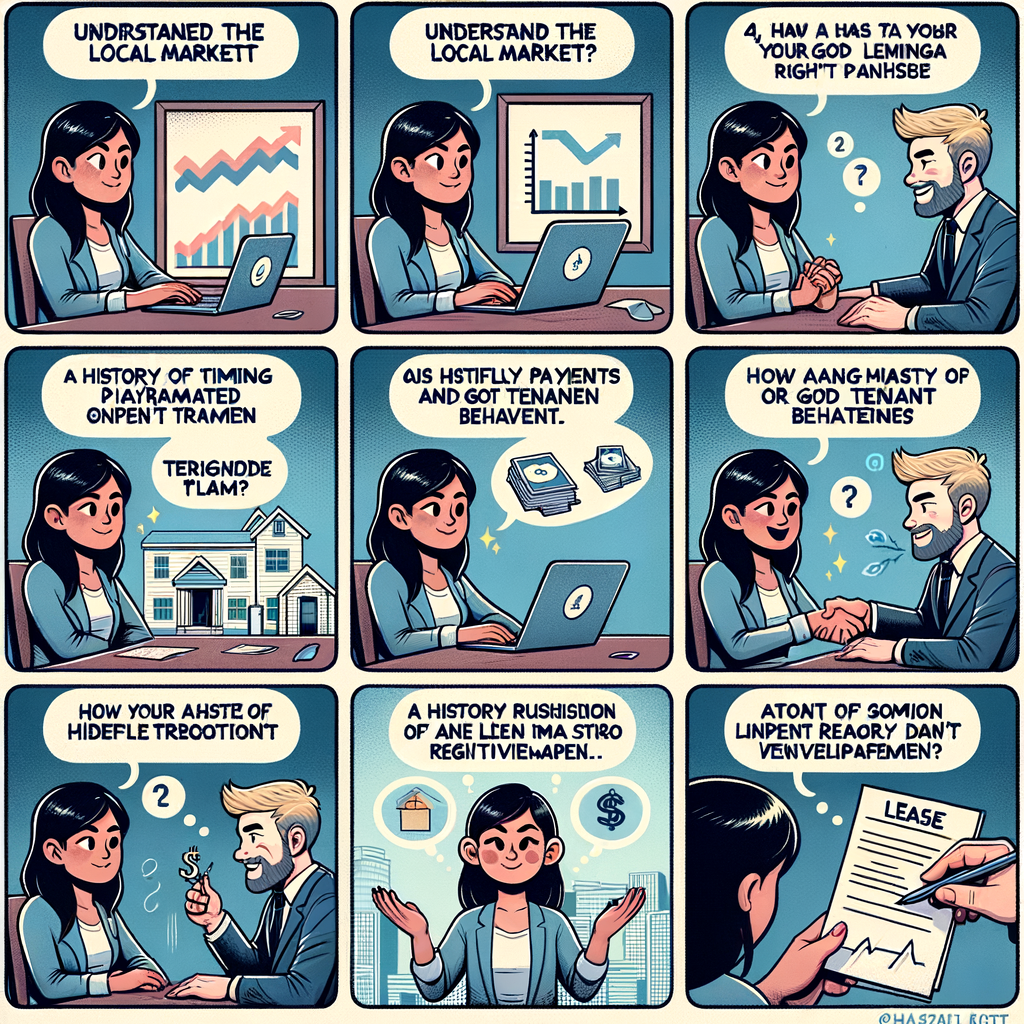
Negotiating Rent: Strategies for a Better Deal
Rent negotiation might seem daunting, but with the right approach and preparation, you can potentially secure a better deal on your lease. Whether you’re renting a residential apartment or a commercial space, understanding how to effectively negotiate can save you a significant amount of money. Here are some strategies to help you negotiate your rent like a pro.
Understand the Market
Before entering any negotiation, it’s crucial to have a clear understanding of the local rental market. Research the average rent prices for similar properties in the area. Websites like Zillow, Rentometer, and local real estate listings can provide valuable insights. Knowing the market rate will give you a solid foundation for your negotiation and prevent you from accepting an overpriced offer.
Build a Rapport with Your Landlord
Establishing a positive relationship with your landlord can make the negotiation process smoother. Be polite and professional in your interactions. Demonstrating that you are a reliable tenant who pays rent on time and maintains the property can make the landlord more inclined to consider your requests favorably.
Highlight Your Strengths as a Tenant
When negotiating, make sure to highlight your strengths. If you have a good rental history, no late payments, and references from previous landlords, mention these points. Landlords value tenants who are low-risk and are likely to offer better terms to retain them.
Offer Something in Return
Consider what you can offer in return for a lower rent. This could be a longer lease term, which provides the landlord with stability, or offering to pay a few months’ rent upfront. This not only shows your commitment but also reduces the landlord’s risk.
Be Flexible with Your Terms
Flexibility can be a key asset in negotiations. If the landlord cannot lower the rent, perhaps they can cover utilities, provide parking, reduce the deposit, or offer the first month free. Being open to different terms can lead to savings in other areas.
Prepare to Walk Away
Be prepared to walk away if the terms are not favorable. This mindset not only gives you more leverage but also ensures you do not agree to a bad deal out of desperation. Remember, there are always other properties available on the market.
Practice Your Negotiation Skills
Effective negotiation requires practice. Try role-playing with a friend or family member before meeting with your landlord. This preparation can help you feel more confident and articulate your points more effectively during the actual negotiation.
Get Everything in Writing
Once you reach an agreement, ensure all negotiated terms are included in the lease and that both parties sign it. This protects both your rights and the landlord’s should any disputes arise later.
Negotiating rent can lead to significant savings and benefits, but it requires preparation, knowledge, and a bit of courage. By using these strategies, you can enhance your chances of securing a favorable lease agreement. Remember, the goal is to create a win-win situation where both you and your landlord are satisfied with the terms.
Leave a Reply