
1. Research Crime Statistics
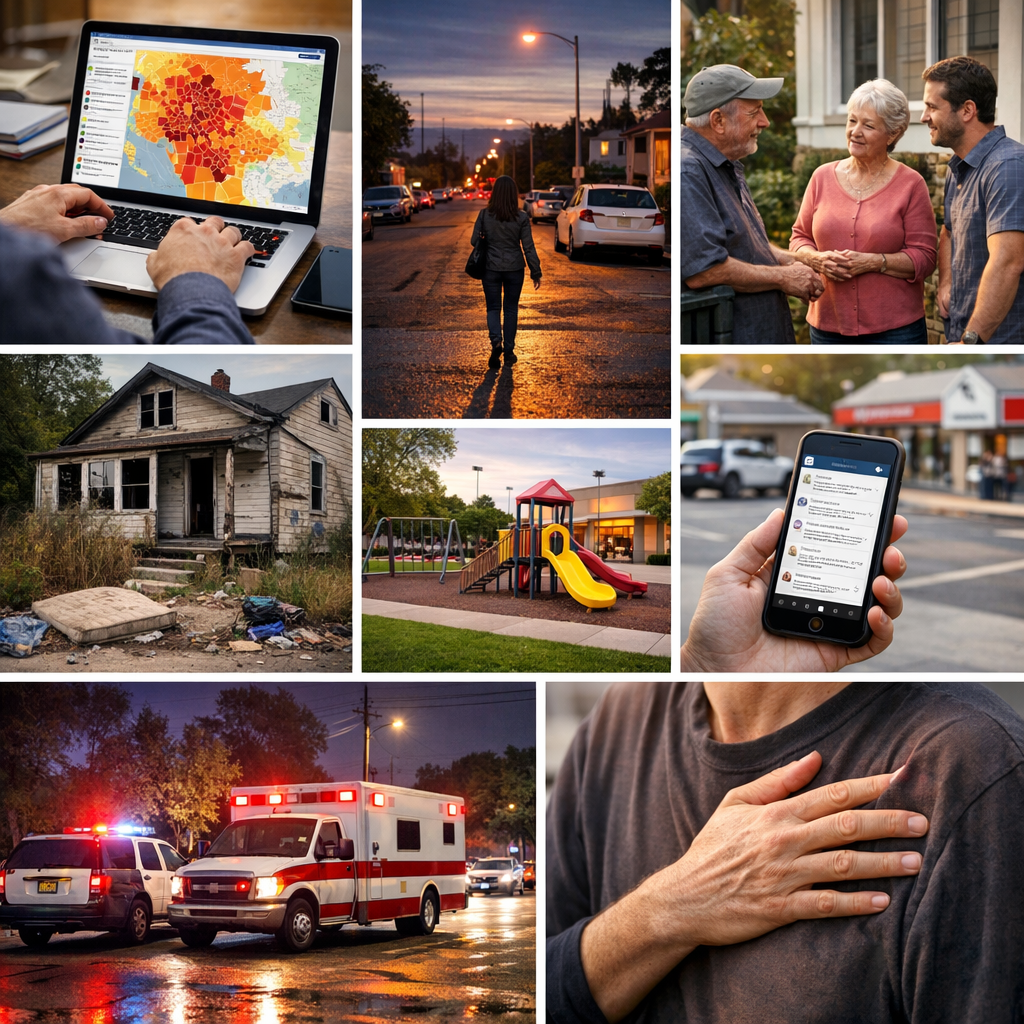
Start by reviewing official crime data for the area. Many cities and municipalities provide online crime maps or public safety reports that detail incidents such as theft, vandalism, and violent crimes. Websites like local police department portals or national databases can give you a clear picture of crime trends over time. Pay attention to both the frequency and type of crimes reported.
2. Visit the Neighborhood at Different Times
Neighborhoods can feel very different depending on the time of day. Visit the area during the morning, afternoon, and evening to observe activity levels, lighting, and general atmosphere. A safe neighborhood typically has well-lit streets, visible security measures, and residents who feel comfortable walking outside after dark.
3. Talk to Current Residents
Engaging with people who already live in the area can provide valuable insights that statistics alone cannot. Ask about their experiences with safety, noise levels, and community involvement. Residents can often share firsthand information about how responsive local authorities are and whether they feel secure in their homes.
4. Evaluate the Physical Environment
The condition of the neighborhood can be a strong indicator of safety. Look for well-maintained properties, clean streets, and active community spaces. Neglected buildings, broken streetlights, or excessive graffiti may suggest a lack of community engagement or municipal oversight. Additionally, check for visible security features such as cameras, gates, or neighborhood watch signs.
5. Check Local Amenities and Infrastructure
Safe neighborhoods often have accessible amenities such as parks, schools, and grocery stores. The presence of families, joggers, and pet owners can indicate a sense of community and safety. Reliable public transportation and well-maintained sidewalks also contribute to a secure environment by encouraging foot traffic and visibility.
6. Review Online Community Platforms
Online forums and social media groups can offer unfiltered perspectives on neighborhood safety. Websites and apps that focus on local communities often feature discussions about recent incidents, community events, and safety concerns. While these sources can be helpful, remember to verify information through official channels before drawing conclusions.
7. Consider Proximity to Emergency Services
Being close to police stations, fire departments, and hospitals can enhance your sense of security. Quick response times in emergencies are crucial, and neighborhoods near these services often benefit from increased patrols and faster assistance when needed.
8. Trust Your Instincts
Finally, trust your intuition. If something feels off during your visits or interactions, take it seriously. Personal comfort and peace of mind are essential when choosing a place to live. A neighborhood that feels welcoming and secure to you is likely to be a good fit.
Conclusion
Assessing the safety of a rental neighborhood requires careful observation, research, and communication. By combining data-driven insights with personal impressions, you can make an informed decision that supports your well-being and lifestyle. Taking the time to evaluate safety before signing a lease ensures that your new home will be both comfortable and secure.
Leave a Reply