
Furnished vs. Unfurnished: What’s Trending in the Rental Market?
When it comes to renting, one of the first decisions potential renters face is choosing between a furnished and an unfurnished property. This choice can significantly impact their lifestyle, budget, and comfort. As the rental market continues to evolve, understanding the current trends and preferences can help landlords and tenants make informed decisions.
Current Trends in the Rental Market
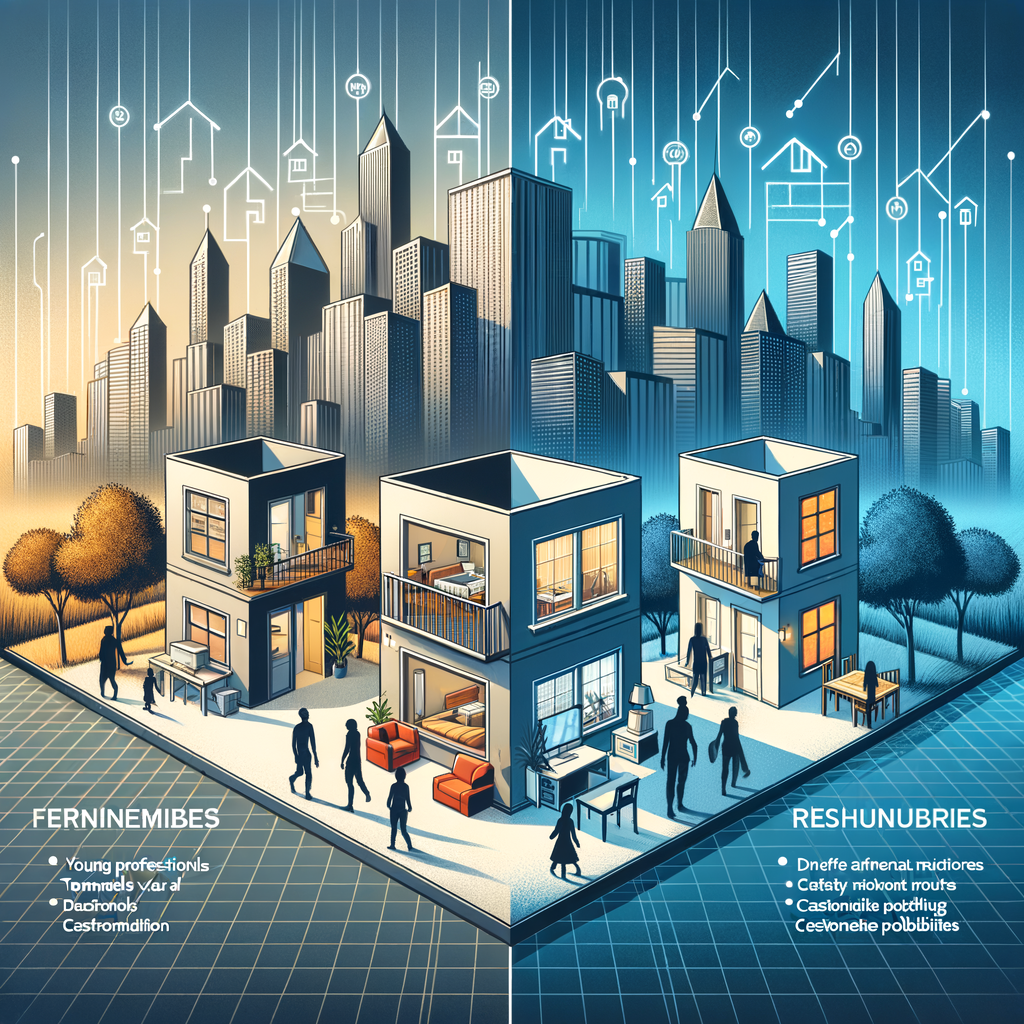
The rental market has seen a shift in recent years, with varying trends between urban and suburban areas. In bustling city environments, furnished apartments are becoming increasingly popular, especially among young professionals, students, and those moving for temporary job assignments. The convenience of moving into a space that is already set up for living is a significant draw. Conversely, in suburban areas, where families and longer-term renters are more common, unfurnished homes are often preferred as they allow tenants to personalize their living space extensively.
Benefits of Furnished Rentals
- Convenience: Furnished rentals offer the convenience of a move-in ready home, ideal for short-term leases or tenants who move frequently.
- Cost-Effective: They eliminate the need for renters to purchase their own furniture, which can be particularly advantageous for those not looking to make a long-term investment.
- Appeal to Specific Market Segments: Furnished apartments are particularly appealing to corporate tenants, international students, and people relocating for work who may prefer not to transport furnishings from place to place.
Benefits of Unfurnished Rentals
- Customization: Unfurnished rentals allow tenants to bring or buy their own furniture and decorate the space to match their personal style, making it feel more like home.
- Lower Rent: Generally, unfurnished apartments have a lower rental price compared to furnished ones, which can be more attractive to long-term renters.
- Broader Tenant Appeal: They often appeal to a wider audience, as they offer the flexibility for tenants to use their existing furniture or invest in pieces that they can keep over time.
What Renters Prefer
Preferences for furnished versus unfurnished rentals vary widely depending on demographic factors and personal circumstances. Younger renters and those in transient phases of life tend to lean towards furnished options for their convenience and ease. In contrast, families and individuals who have accumulated furniture or who desire a more stable, long-term home environment generally prefer unfurnished units.
Impact of Technology and Mobility
The rise of technology and increased mobility among workers has also played a role in shaping rental trends. Online rental platforms and virtual tours have made it easier for tenants to find furnished properties that meet their needs, even from afar. Additionally, the gig economy and the increase in remote work arrangements have prompted more people to move more frequently, often seeking the hassle-free option of furnished rentals.
Conclusion
Both furnished and unfurnished rentals have their place in the market, each catering to different needs and preferences. As the world becomes more mobile and lifestyles continue to change, the demand for flexible, convenient housing options is likely to increase. Landlords should consider these trends and preferences to cater to the diverse needs of tenants, ensuring their properties remain competitive and appealing in a dynamic rental market.
Leave a Reply