
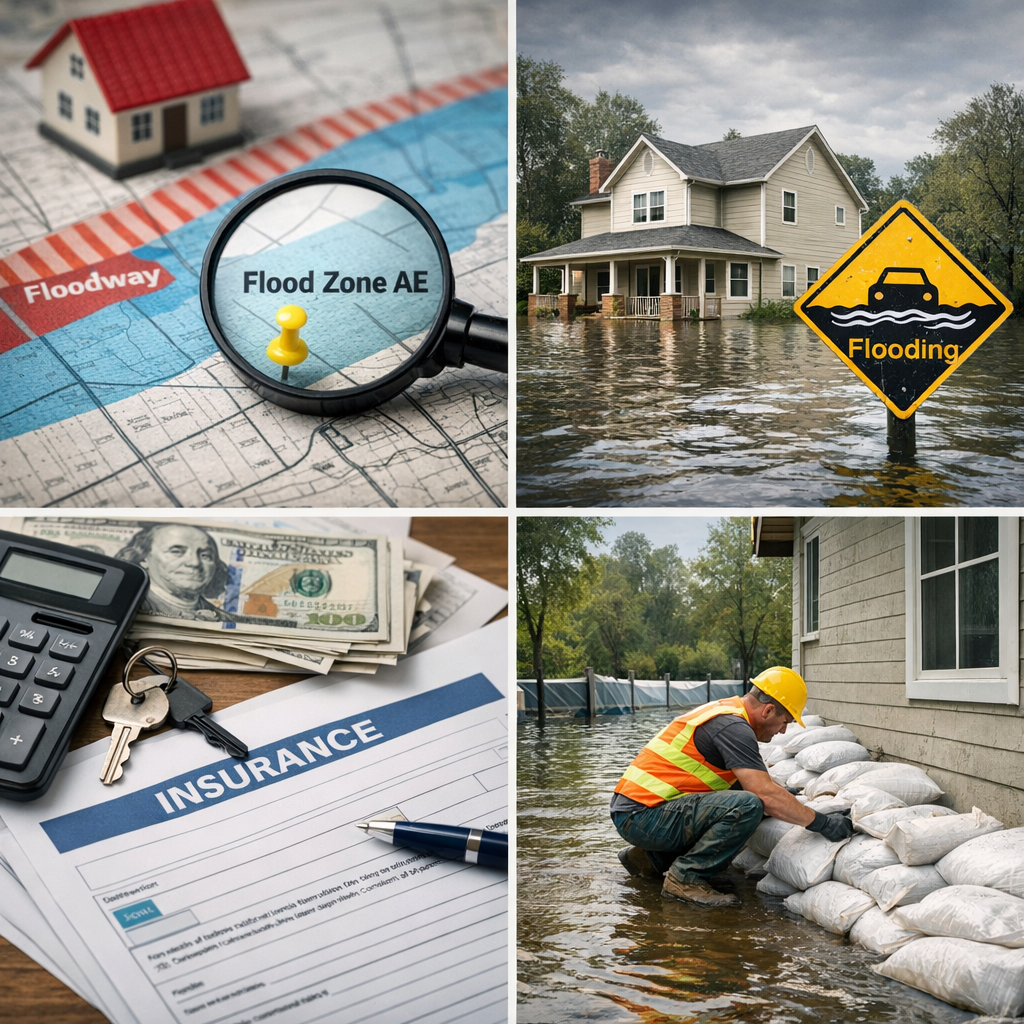
When purchasing a home, understanding flood zones is an essential part of the decision-making process. Flood zones determine the level of flood risk for a property, which can significantly impact insurance costs, financing options, and long-term safety. Knowing how to interpret flood zone information helps buyers make informed choices and avoid unexpected expenses.
What Are Flood Zones?
Flood zones are geographic areas defined by the Federal Emergency Management Agency (FEMA) that indicate the likelihood of flooding. These zones are mapped on Flood Insurance Rate Maps (FIRMs) and are used by lenders, insurers, and local governments to assess risk. Each zone is categorized based on the probability of flooding in a given year.
Types of Flood Zones
- Zone A: Areas with a 1% annual chance of flooding, also known as the 100-year floodplain. These zones require mandatory flood insurance for federally backed mortgages.
- Zone AE, AH, AO: Subcategories of Zone A that provide more detailed information about flood elevations and depths.
- Zone V: Coastal areas with a high risk of flooding and storm surge. These zones often have stricter building requirements.
- Zone X (Shaded): Areas with a moderate flood risk, typically a 0.2% annual chance of flooding.
- Zone X (Unshaded): Areas with minimal flood risk, though flooding is still possible under extreme conditions.
How to Determine a Property’s Flood Zone
Buyers can check a property’s flood zone by visiting FEMA’s Flood Map Service Center online. Local government offices and real estate agents can also provide flood zone information. It’s important to verify whether the property has been recently remapped, as flood zones can change due to new construction, environmental changes, or updated data.
Flood Insurance Requirements
Homes located in high-risk flood zones (Zones A and V) are typically required to carry flood insurance if the mortgage is federally backed. Even if a property is in a moderate or low-risk area, purchasing flood insurance can still be a wise decision. Standard homeowners insurance policies do not cover flood damage, so a separate policy through the National Flood Insurance Program (NFIP) or a private insurer is necessary.
Impact on Home Value and Financing
Flood risk can influence both the market value of a home and the cost of ownership. Properties in high-risk zones may have lower resale values and higher insurance premiums. Lenders may also impose stricter requirements for loans in these areas. Buyers should factor in these costs when budgeting for a home purchase.
Mitigating Flood Risk
Homeowners can take steps to reduce flood risk and potential damage. Elevating the home, installing flood vents, and using water-resistant materials can help protect the property. Maintaining proper drainage and landscaping can also reduce the likelihood of flooding. Some improvements may even qualify for reduced insurance premiums.
Key Takeaways for Home Buyers
- Always check the flood zone status before making an offer on a property.
- Understand the insurance requirements and potential costs associated with the location.
- Consider the long-term implications of flood risk on property value and safety.
- Consult with real estate professionals, insurance agents, and local authorities for accurate information.
By understanding flood zones and their implications, home buyers can make more informed decisions and protect their investment. Awareness and preparation are key to ensuring that a dream home remains safe and financially secure for years to come.
Leave a Reply