
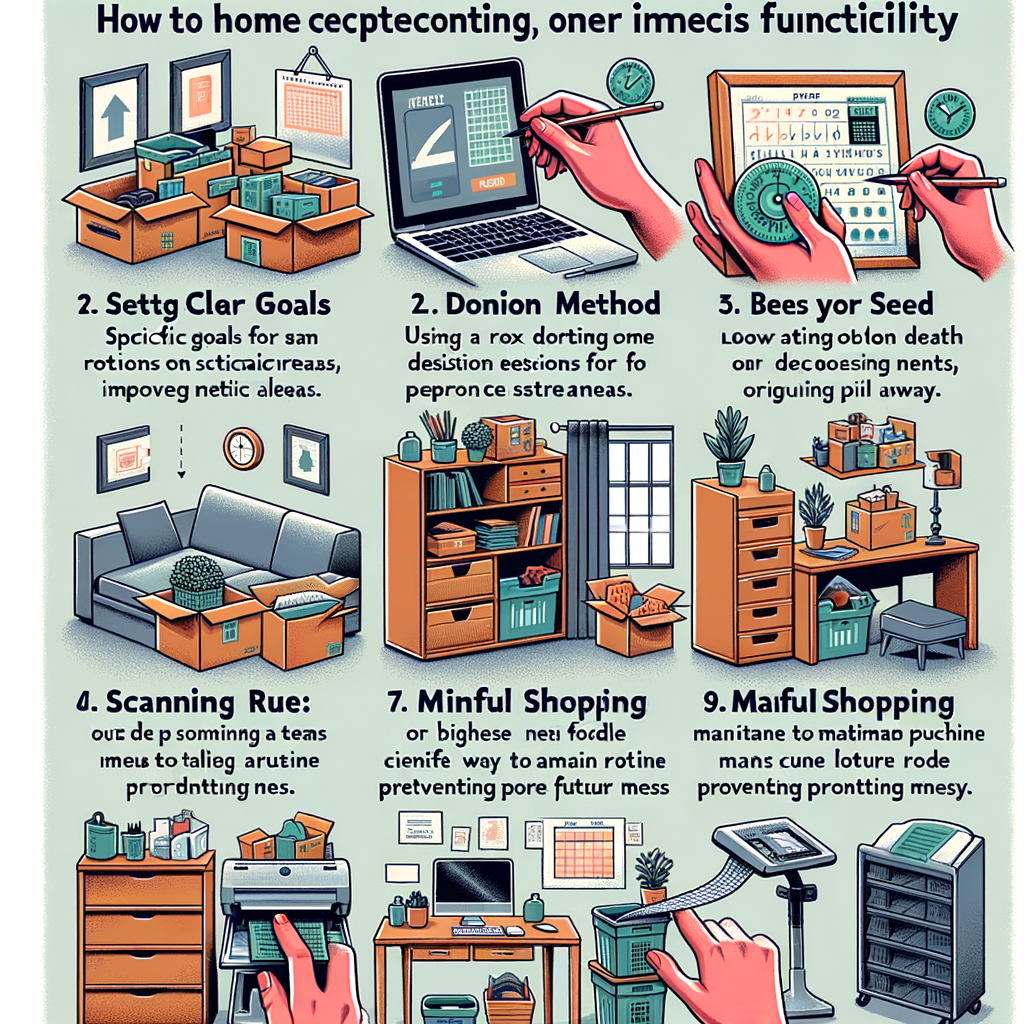
Decluttering Your Space: Strategies for a Cleaner Home
Decluttering your home is not just about creating more space—it’s also about reducing stress, improving your mental health, and making your living environment more pleasant and functional. Whether you’re overwhelmed by piles of papers, clothes that no longer fit, or just general household clutter, there are effective strategies you can employ to transform your space into a tidy and relaxing haven. Here are some practical tips to help you declutter your home efficiently.
1. Set Clear Goals
Before you start, it’s important to set clear, achievable goals. Decide which areas of your home need the most attention and set specific targets for each space. Whether it’s clearing out a junk drawer or organizing your entire kitchen, having clear objectives will help you stay focused and motivated.
2. Create a Sorting System
As you begin the decluttering process, set up a system to help you decide what stays and what goes. A popular method is the “Four-Box Method,” where you use four boxes to categorize items into “keep,” “donate,” “sell,” or “throw away.” This system forces you to make decisions item by item, which can be more effective than trying to tackle everything at once.
3. Tackle One Room at a Time
Trying to declutter your entire home at once can be daunting and overwhelming. Break down the task by focusing on one room at a time. This approach allows you to see progress in manageable chunks, which can be encouraging and motivating.
4. Use the One-Year Rule
A helpful rule of thumb during the decluttering process is the “One-Year Rule.” If you haven’t used an item in the last year, it’s likely that you don’t need it and can let it go. This rule is particularly useful for clothes, kitchen gadgets, and other household items that tend to accumulate over time.
5. Digitize Where Possible
In today’s digital age, many items that once took up physical space can be digitized. This includes documents, photos, and even certain memorabilia. Scanning papers and storing them digitally can significantly reduce the amount of physical clutter in your home and also make it easier to find important documents when you need them.
6. Implement Storage Solutions
After decluttering, it’s important to organize what remains. Invest in appropriate storage solutions that fit your space and needs. Use shelves, bins, baskets, and drawer organizers to keep your items neatly stored and easily accessible. This will help maintain the tidiness of your home and prevent future clutter.
7. Maintain a Routine
Decluttering is not a one-time task—it requires ongoing effort. Set up a regular cleaning schedule to manage clutter before it becomes unmanageable again. This might include setting aside time each week to sort through mail, clean out the refrigerator, or tidy a particular area of your home.
8. Be Mindful About New Purchases
Finally, be mindful of what you bring into your home. Before making new purchases, consider whether you truly need the item or if it will just add to the clutter. Adopting a more minimalist approach to shopping can help prevent the accumulation of unnecessary items and keep your home decluttered in the long term.
By following these strategies, you can effectively declutter your home and enjoy a cleaner, more organized living space. Remember, decluttering is a personal process, and what works for one person might not work for another. Tailor these tips to suit your lifestyle and preferences, and take it one step at a time.
Leave a Reply