
Category: Making it Yours
Dive into ‘Making it Yours,’ a dedicated space for personalizing and enhancing your living space. Whether you’ve just moved into a new home or are looking to refresh your current residence, this section offers creative ideas, practical tips, and inspirational content to help you make any space truly your own. From DIY projects and interior decorating advice to landscaping and home improvement strategies, ‘Making it Yours’ empowers you to transform your environment into a reflection of your personal style and comfort.
-

Understanding Escrow in the Home Buying Process
Escrow is a neutral third party that holds funds and documents in a home purchase until all conditions are met. It protects buyers and sellers, coordinates inspections, title, loan and closing, manages fees and deadlines, and reduces risks like delays and wire fraud.
-

Tax Breaks for Homebuyers: Maximizing Your Benefits
Plan payments and paperwork to unlock homebuyer tax savings: choose standard deduction or itemize; use mortgage interest, property taxes (SALT cap), points, MCCs, and timing. Add energy credits, track basis, claim the home sale gain exclusion, and keep good records.
-

Overcoming the Challenge of High Property Taxes in Home Buying
Property taxes significantly impact home affordability and mortgage approval by affecting monthly payments and debt-to-income ratios. Buyers can manage high taxes by researching, comparing rates, claiming exemptions, and negotiating effectively. This guide offers strategies to offset taxes, such as choosing strategic locations, leveraging abatements, and appealing overassessments.
-

Why We Chose a 15-Year Mortgage Over a 30-Year
Choosing a mortgage term involves lifestyle considerations beyond math. We opted for a 15-year mortgage over a 30-year, reshaping our cash flow and long-term plans. The 15-year term offers significant interest savings and faster equity building, though it requires higher monthly payments. We stress-tested our budget, ensuring the payment was sustainable even in tough times,…
-

A Tale of Two Cities: Buying in a Hot Market vs. a Cold One
In hot housing markets, speed and preparation are key, with strategies like pre-underwritten loans and competitive offers. In cold markets, patience and negotiation can secure price reductions and seller credits. Key metrics like months of supply and days on market help identify market conditions. Tailor your approach to save money, stress, and time.
-

Utilizing a Reverse Mortgage in Retirement
A reverse mortgage allows homeowners aged 62+ to convert home equity into cash without monthly payments, often through a Home Equity Conversion Mortgage (HECM). It can enhance retirement by managing market risks, eliminating mortgage payments, or funding home improvements. However, it involves costs, interest accrual, and impacts on heirs. Eligibility requires living in the home,…
-

The Benefits of Building Equity with a Home Equity Loan
Home equity, the difference between your property’s market value and mortgage balance, can boost your net worth. As you pay down your mortgage and property value rises, you build equity, which can be accessed via a home equity loan. This fixed-rate loan can fund renovations, consolidate debt, or preserve low mortgage rates, enhancing financial stability.…
-
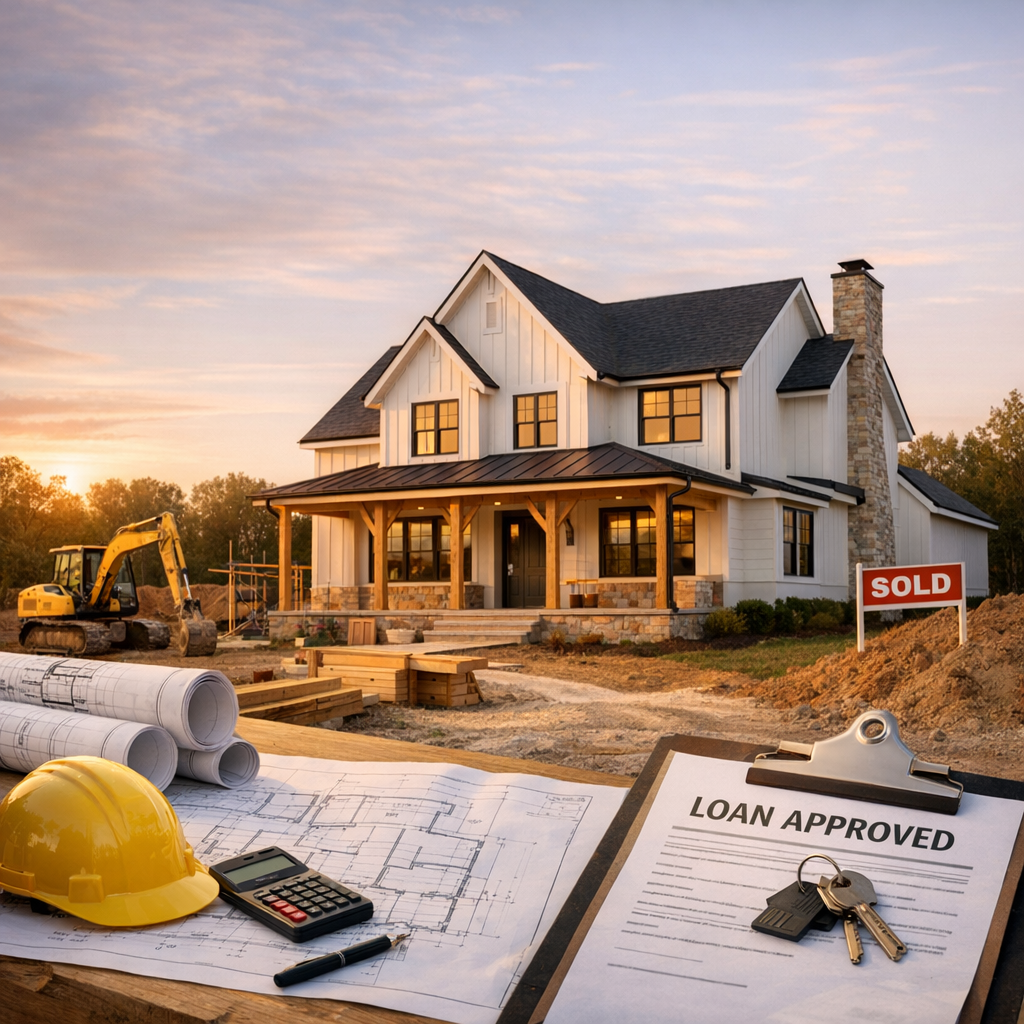
Our Experience with a Construction Loan for Our Dream Home
Building a custom home was both exciting and daunting. Our vision required a construction loan, which funded the build in stages and converted to a mortgage once complete. This approach controlled costs and provided oversight. Key steps included choosing the right lender and builder, structuring the loan, and maintaining clear communication. Despite challenges, the process…
-

How to Balance Credit and Debit for Sustainable Real Estate Investment
Sustainable real estate investment thrives when financial fundamentals are strong. This involves balancing credit and debit through accurate accounting, maintaining a healthy capital stack, and ensuring resilient cash flow. By managing debt wisely, funding efficiency upgrades, and using metrics to guide decisions, investors can enhance property value and stability. Prioritize projects with quick paybacks, leverage…
-

How Credit Inquiries Impact Real Estate Financing
When buying a home, refinancing, or tapping equity, your credit profile is crucial. Understanding credit inquiries—soft (no score impact) vs. hard (can lower score)—is key. Hard inquiries, like those for mortgages, affect scores slightly but can impact loan terms. To minimize effects, batch mortgage applications within 14 days, avoid new credit before closing, and monitor…
-

Practical Tips for Managing Your Credit and Debit in Real Estate
Managing money in real estate goes beyond finding deals; it involves understanding cash flow, lender perspectives, and the impact of debits and credits. Key areas include accounting entries, closing statements, and personal credit. Maintain separate accounts, protect your credit, and accurately record transactions. Reconcile accounts monthly, read closing disclosures carefully, and build strong reserves. Work…
-

Credit Health: Maintaining Your Score During a Real Estate Transaction
Buying a home can strain your budget and test your credit health. Your credit score affects loan approval, interest rates, and fees. To maintain or improve your score, avoid new credit, pay on time, and keep utilization low. Communicate with your lender before financial changes to ensure a smooth transaction.
-

The Role of a Mortgage Broker in My Home Buying Process
A mortgage broker acts as an intermediary between homebuyers and lenders, offering access to multiple loan options and competitive rates. They guide clients through pre-approval, application, and closing, ensuring a smooth process. Brokers are paid by lenders or borrowers, with clear fee disclosures required. They offer advantages like broader lender access and personalized guidance but…
-

Exploring Credit Lines for Real Estate Development Projects
Real estate development relies on timing, cost control, and capital access. Credit lines offer flexible funding, bridging gaps between equity and long-term financing. They support various project stages, from planning to construction, without constant equity raises. Key considerations include terms, advance rates, interest, and recourse. Proper management ensures projects stay on schedule and within budget.
-

Credit Strategies for Competitive Real Estate Markets
In a competitive housing market, strong credit is crucial for securing a home. It affects interest rates, loan types, and underwriting speed. Focus on optimizing credit card utilization, resolving errors, and obtaining a fully underwritten pre-approval. These steps enhance your buying power and offer certainty to sellers.