
Category: Advice for Renters
In ‘Advice for Renters,’ find expert tips and guidance tailored to your rental needs. Whether it’s navigating agreements, understanding your rights as a tenant, or managing rental costs, this subsection covers a broad spectrum of topics to aid you in making well-informed rental decisions.
-

The Basics of Bridge Loans for Homebuyers
Bridge loans offer short-term financing to help homebuyers purchase a new home before selling their current one. They provide flexibility and convenience but come with higher costs and risks. Buyers should assess their finances and alternatives before choosing this option.
-

Evaluating Your Asset Portfolio Before Buying a Home
Before buying a home, assess your asset portfolio to ensure financial stability. Review assets, debts, liquidity, and risk. Align the purchase with long-term goals, plan for ongoing costs, and seek professional advice to make a confident, sustainable homeownership decision.
-
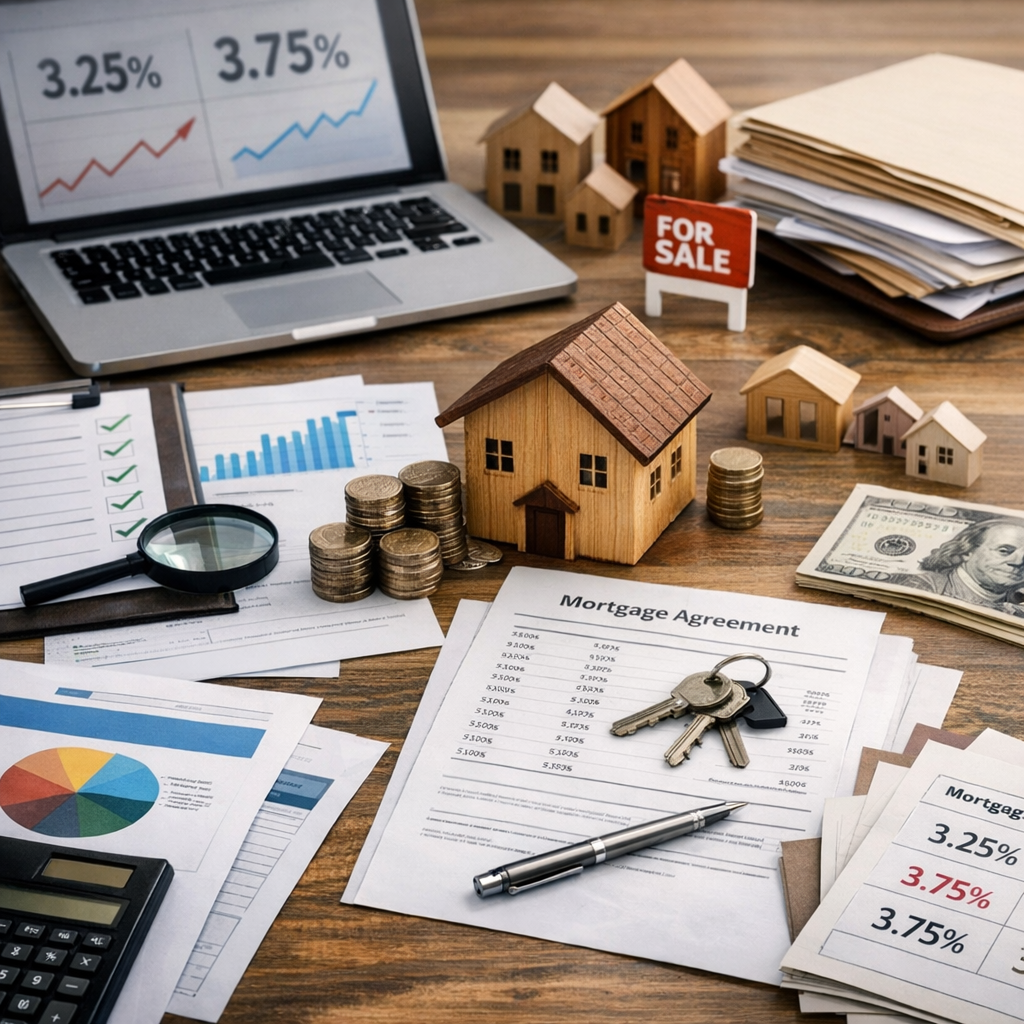
How to Negotiate Mortgage Rates and Terms
Learn how to negotiate mortgage rates and terms by understanding your finances, researching market rates, comparing multiple offers, improving credit, and negotiating fees and terms. Preparation and persistence can help you secure better rates and save thousands over your loan’s life.
-

The Role of Social Media in Selling Your Home
Social media is a vital tool for selling homes, offering wide reach, visual appeal, and engagement. Platforms like Facebook and Instagram help target buyers, build trust, and showcase properties through photos, videos, and live tours, making sales faster and more effective.
-

The Legalities of Selling Your Home: A Comprehensive Overview
Selling a home involves legal steps like verifying ownership, making required disclosures, reviewing contracts, and understanding taxes. Working with agents, attorneys, and tax professionals helps ensure compliance, protect your interests, and achieve a smooth, legally sound sale.
-

Preparing Your Home for Sale in Different Seasons
Learn how to prepare your home for sale year-round. From boosting curb appeal in spring to creating cozy warmth in winter, this guide offers seasonal tips to attract buyers, highlight your home’s best features, and adapt to market trends for a successful sale.
-

Why I Regret Not Staging My Home for Sale
The author regrets not staging their home before selling. Without staging, buyers couldn’t envision living there, online photos lacked appeal, and the home sold for less after price cuts. They learned staging boosts first impressions, speeds sales, and increases value—an investment worth making.
-

The Surprising Benefits of a Pre-Sale Home Inspection
A pre-sale home inspection helps sellers build buyer trust, uncover and fix issues early, set accurate prices, and speed up transactions. It enhances marketability, reduces surprises, and provides peace of mind, making the selling process smoother and more successful.
-
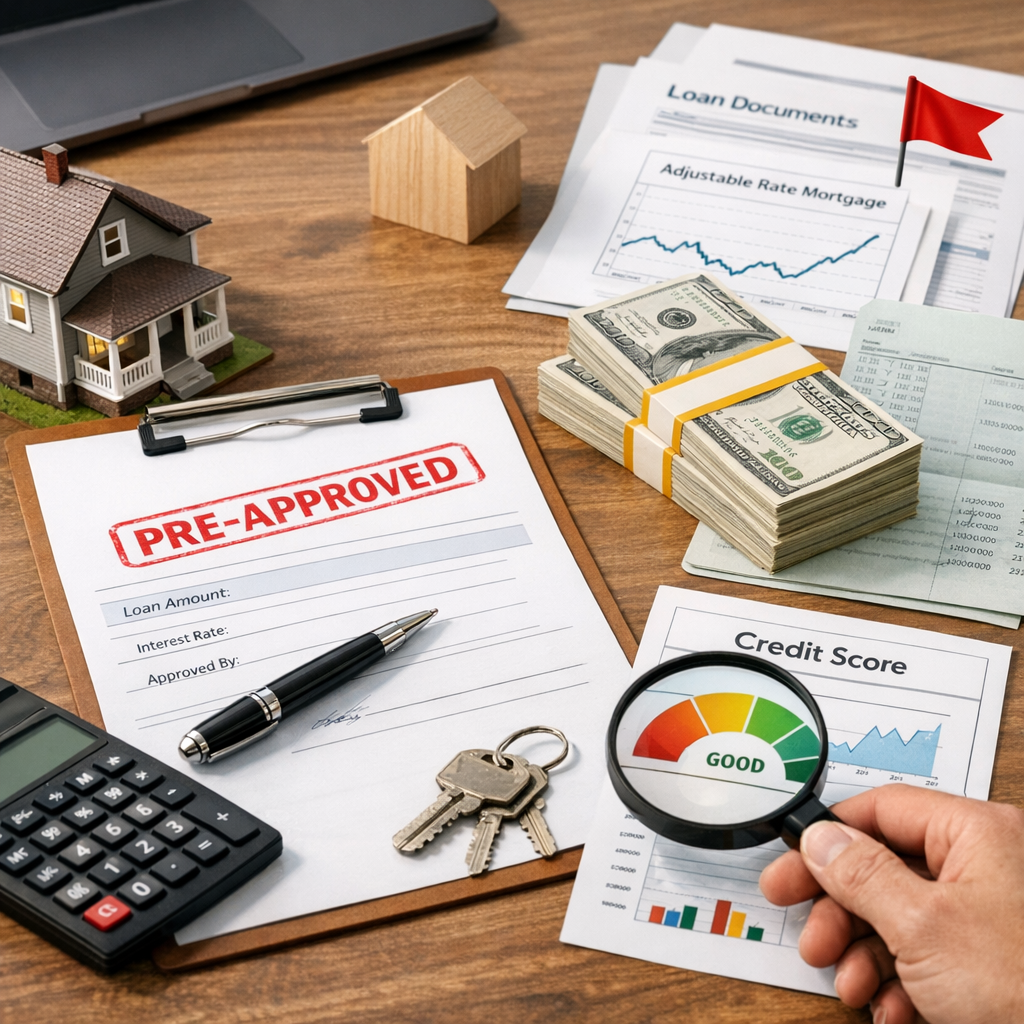
Evaluating Buyer’s Financing: What Sellers Need to Know
Sellers should assess a buyer’s financing strength to ensure a smooth sale. Verify pre-approval, down payment, and lender credibility. Understand loan types, watch for red flags, and request proof of funds. Careful evaluation reduces risks and helps sellers close confidently.
-

How I Navigated the Home Appraisal Process
The author shares their experience navigating the home appraisal process while refinancing. They explain the appraisal’s purpose, how they prepared their home, what happened during the visit, and lessons learned about preparation, communication, and maintaining property value.
-

Selling My Home During Divorce: A Delicate Process
Selling a home during divorce requires empathy, planning, and cooperation. By addressing emotional, legal, and financial factors carefully and working with professionals, both parties can achieve a fair sale, reduce conflict, and move forward toward a stable, hopeful new beginning.
-

Climate Change and Coastal Property Markets: What to Expect
Climate change is reshaping coastal property markets through rising sea levels, higher insurance costs, and shifting values. Adaptation, resilience strategies, and policy decisions will determine how communities, investors, and governments manage risk and sustain long-term growth.
-

Smart Cities and Their Influence on Real Estate Development
Smart cities use technology, data, and sustainability to improve urban living. Their rise transforms real estate by boosting property values, driving smart infrastructure, and promoting eco-friendly design, while posing challenges like cost, privacy, and equitable access.
-

How I Maximized Profit by Selling My Home As-Is
The author shares how selling their home as-is led to higher net profit by avoiding repair costs and delays. Through market research, strategic pricing, and targeting investors, they sold quickly and efficiently, proving that simplicity and transparency can maximize returns.
-

The Changing Face of Retail Spaces in Real Estate Markets
Retail real estate is evolving as e-commerce, technology, and changing consumer habits reshape physical spaces. Experiential, mixed-use, and sustainable developments are rising, while smart tech and adaptive reuse drive innovation and investment in a hybrid retail future.