
Category: Advice for Renters
-

Pet Owners’ Guide to Finding a Rental
Finding a pet-friendly rental requires understanding landlords’ concerns about damage and noise, starting the search early, using online resources, preparing a pet resume, offering reassurances like a higher deposit, reading lease terms carefully, visiting properties with your pet, knowing your rights as a pet owner, and being patient and flexible. This guide helps simplify the…
-

The Ultimate Checklist for Rental Viewings
When viewing rental properties, research the area, prepare questions, and bring tools to document the visit. During the viewing, inspect the property’s cleanliness, structural integrity, utilities, and safety features. Check lease terms, rent, deposits, and maintenance responsibilities. Afterward, review your notes and photos, seek clarifications, and compare properties to make an informed decision.
-

Negotiating Rent: Tips for Getting the Best Deal
Negotiating rent involves preparation and strategy. Research market rates, highlight your qualities as a reliable tenant, consider a longer lease for lower rates, and time your request during off-peak seasons. Offering upfront payment can also be persuasive. Be ready to compromise, ensure agreements are in writing, and maintain a professional demeanor throughout the negotiation process…
-
Subleasing Your Apartment: Rules and Tips
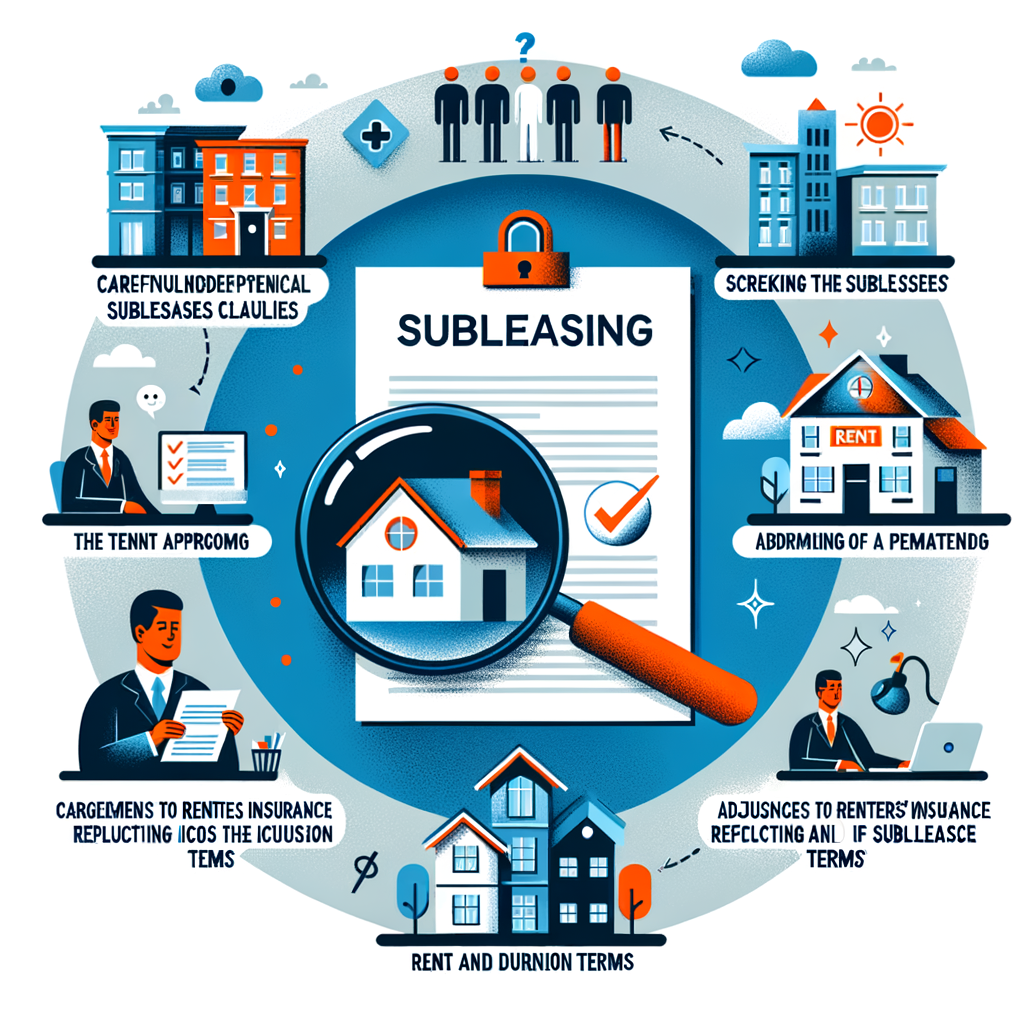
Subleasing your apartment involves renting it to another tenant who assumes lease obligations for a period. Check your lease for subleasing clauses and obtain landlord approval if needed. Select a reliable sublessee through screening and create a formal sublease agreement specifying terms like rent and duration. Manage security deposits carefully and adjust renters’ insurance to…
-
Renting with Bad Credit: Overcoming Financial Hurdles
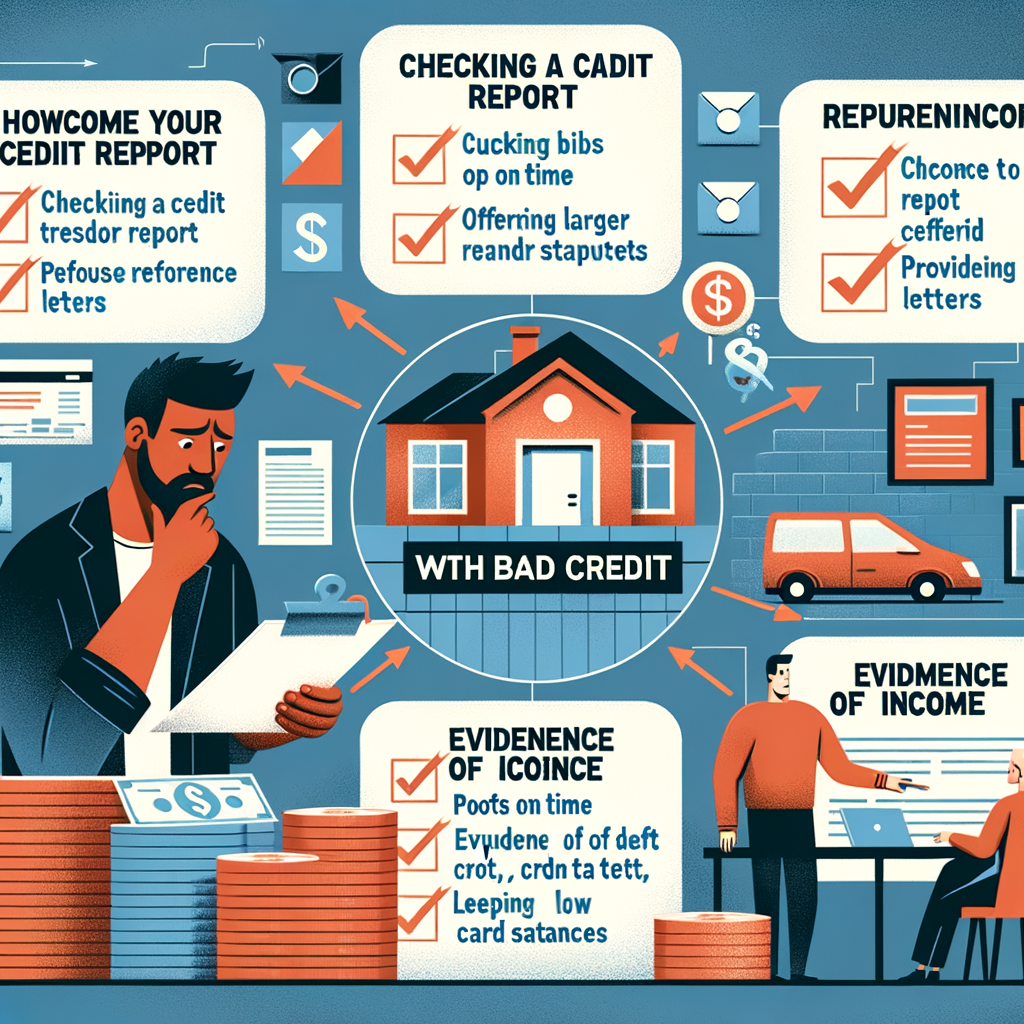
Renting with bad credit is challenging but possible. Landlords view low credit scores as a risk, but strategies like checking your credit report, being honest, offering higher deposits, providing references, getting a co-signer, showing proof of income, and opting for individual landlords can help. Simultaneously, improving your credit by paying bills on time, reducing debt,…
-

Security Deposits Explained: What Renters Need to Know
Security deposits are crucial for landlords to cover potential losses like property damage or unpaid rent. Typically equal to 1-2 months’ rent, the amount varies by local laws and property conditions. Deposits are held in separate accounts and should be returned if there’s no damage beyond normal wear, no unpaid rent, or lease breaches. To…
-
Pet-Friendly Rentals: How to Find Them and What to Expect
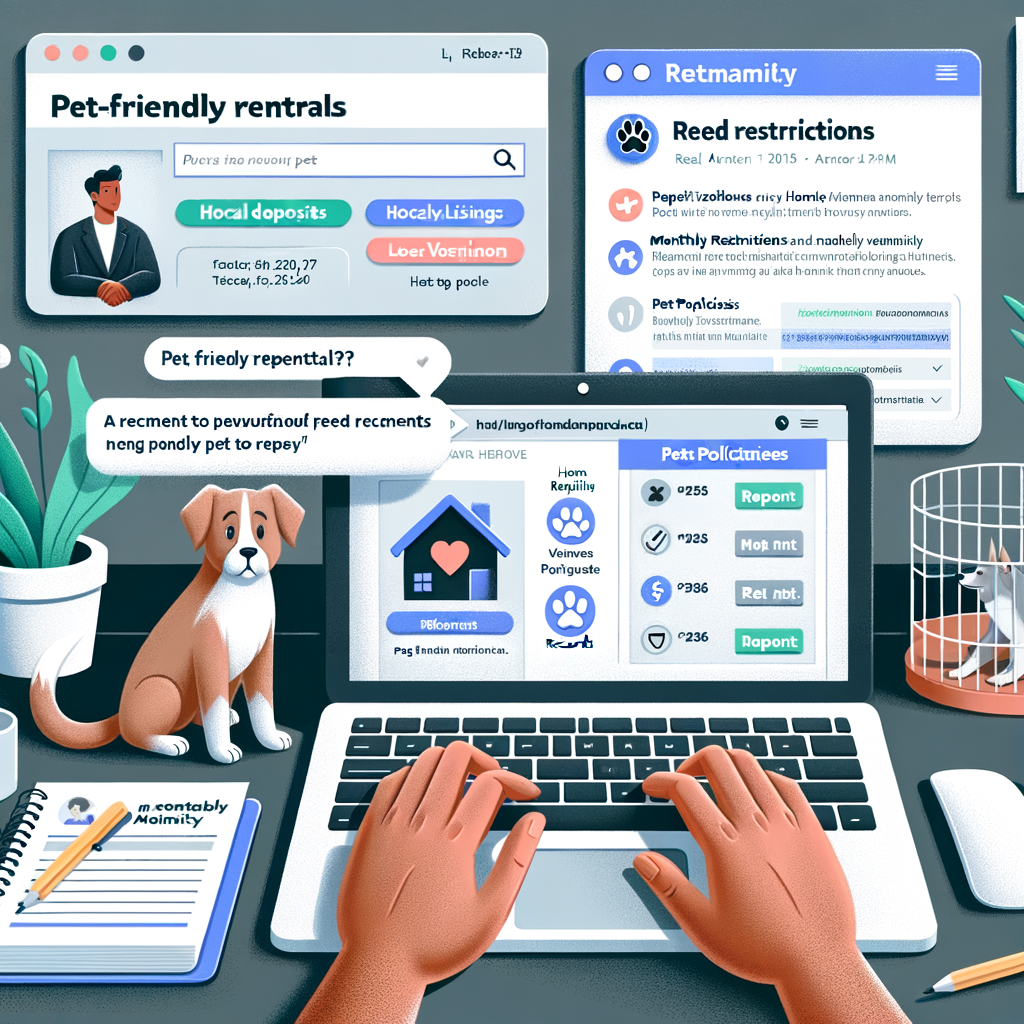
Finding pet-friendly rentals involves using online resources, checking local listings, contacting real estate agents, and networking. Expect to encounter pet deposits or fees, monthly pet rent, breed or weight restrictions, and specific pet policies. Some rentals offer pet amenities. Prepare for the move by updating your pet’s records, planning a stress-minimizing introduction, and respecting neighbors…
-

Budgeting for Rent: How Much Should You Really Pay?
Renting a home is a major expense, and it’s advised to spend no more than 30% of your gross income on rent according to the 30% rule. The 50/30/20 budgeting rule allocates 50% of income to necessities like rent. Adjust your budget based on debt, savings goals, and income stability. In high-cost areas, you might…
-

The Impact of Location on Rental Prices: A Deep Dive
Rental prices are influenced by location, with factors like proximity to amenities, economic activity, and urban development playing key roles. High-demand areas with robust economies or desirable natural features command higher rents. Additionally, demographic trends and local regulations also significantly impact rental costs. Understanding these elements is crucial for renters, investors, and policymakers in navigating…
-

Negotiating Rent: Strategies for a Better Deal
Negotiating rent involves understanding the local market, building a rapport with your landlord, and highlighting your strengths as a tenant. Offering something in return, like a longer lease term or upfront payment, and being flexible with terms can also aid in securing a better deal. Always be prepared to walk away if the terms are…
You must be logged in to post a comment.