
Category: Home Maintenance
-

Detecting and Addressing Roof Leaks Before They Cause Major Damage
Detecting and addressing roof leaks early is essential to prevent significant home damage, such as structural issues and mold. Signs of leaks include water stains, dripping water, musty odors, and damaged shingles. To locate a leak, inspect the roof and attic, and consider a water test. Address leaks by applying temporary fixes, replacing damaged shingles,…
-

How to Keep Your Plumbing System Flowing Smoothly
Maintain your home’s plumbing by regularly checking for leaks, using strainers to prevent clogs, and avoiding chemical cleaners. Insulate pipes, know how to shut off water, and educate your household on proper usage. Schedule annual maintenance, consider a water softener for hard water, and upgrade old pipes and fixtures to ensure efficiency and prevent costly…
-

The Importance of Regular HVAC System Checks
Regular HVAC system checks are crucial for maintaining efficiency, safety, and air quality, while also reducing costs and extending the system’s lifespan. These checks ensure optimal operation, prevent breakdowns, and comply with warranty requirements, making them a wise investment for any home or business.
-

Winterizing Your Home: Essential Steps to Protect Against the Cold
Winterizing your home is crucial for comfort and cost-efficiency in cold weather. Essential steps include inspecting and cleaning heating systems, sealing windows and doors, checking the roof and gutters, insulating pipes, reversing ceiling fans, installing storm windows, ensuring proper insulation, preparing the fireplace, installing a programmable thermostat, making outdoor preparations, and assembling an emergency kit.…
-
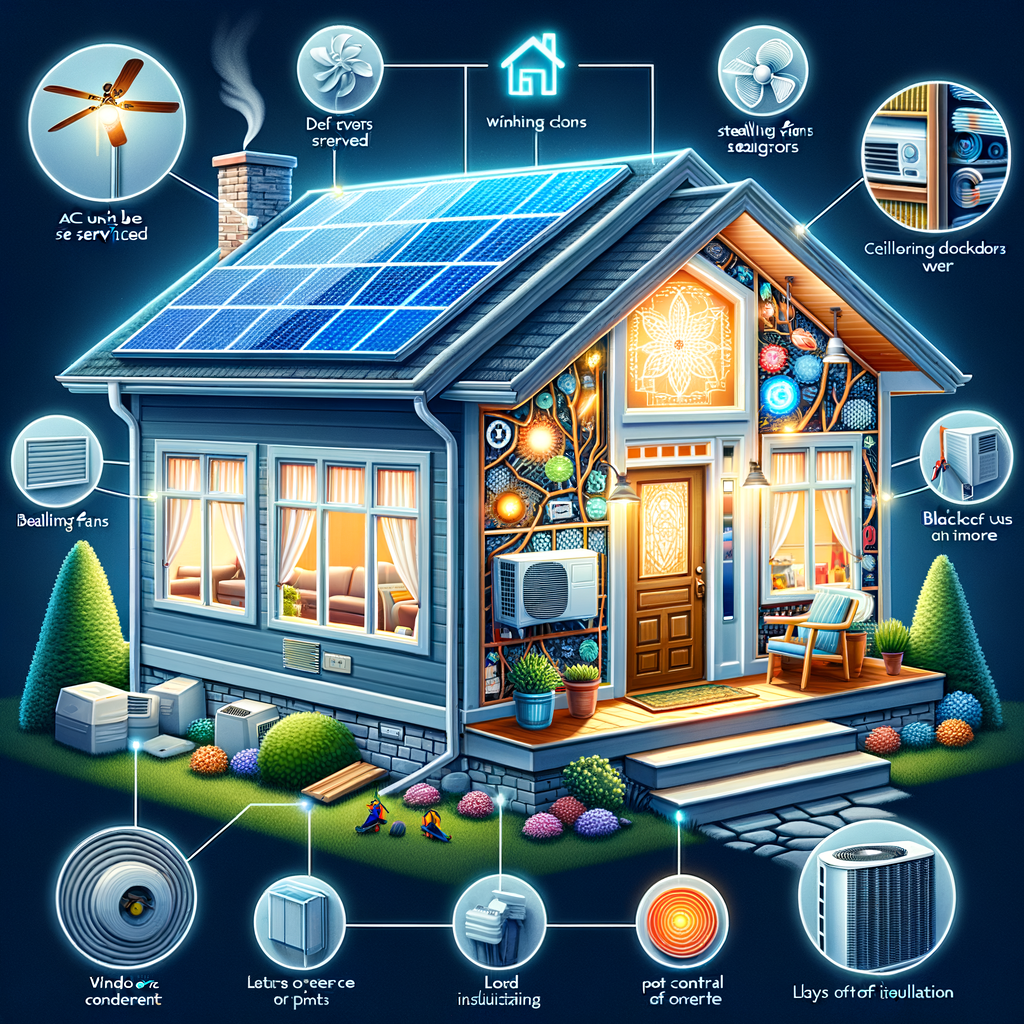
Summer Home Maintenance Checklist to Beat the Heat
Prepare your home for summer with this maintenance checklist: Service your AC, set ceiling fans to rotate counterclockwise, seal windows and doors, use blackout curtains, maintain your roof and gutters, care for your yard, apply reflective exterior paint, install LED bulbs, check insulation, and prepare for pests. These steps ensure your home stays cool, comfortable,…
-
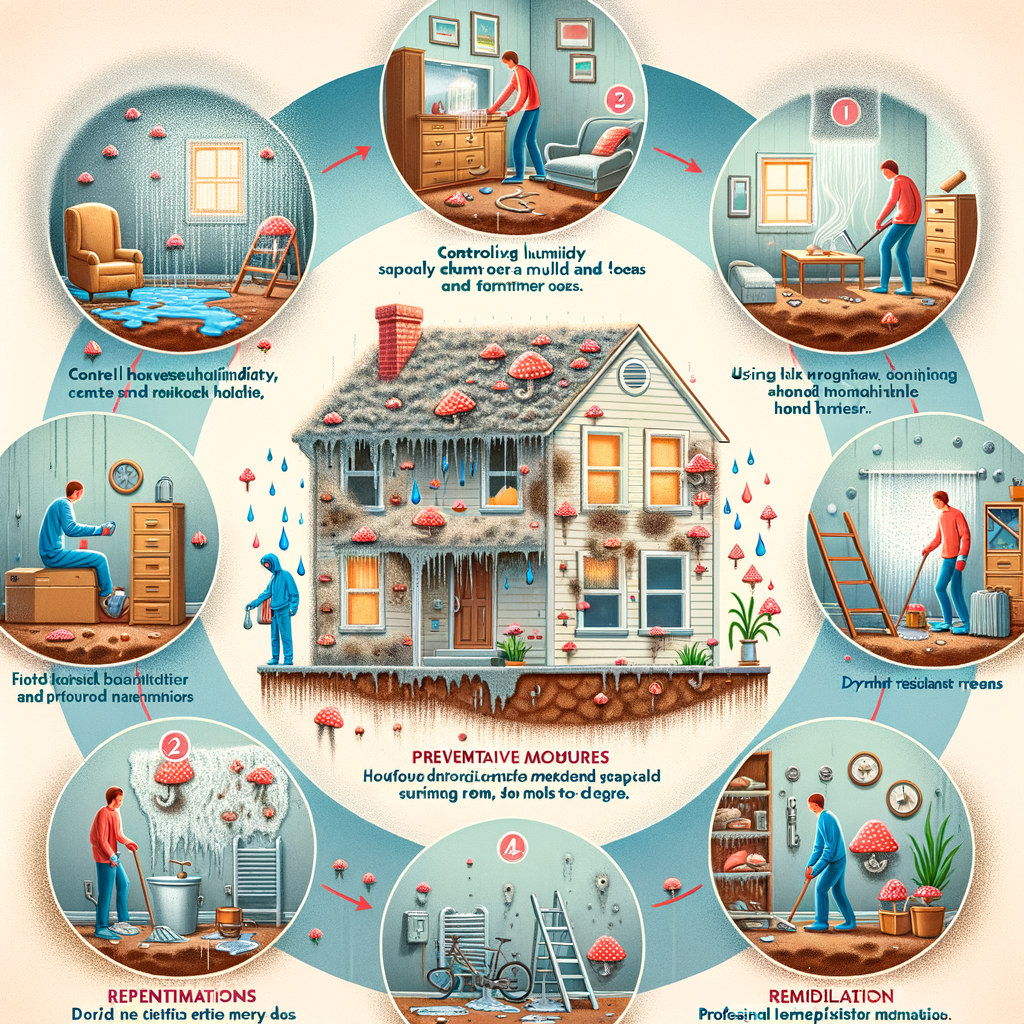
The Homeowner’s Guide to Mold Prevention and Remediation
Mold, a common home issue, thrives in moist environments and can damage property and health. Prevention is key, involving controlling humidity, ensuring ventilation, fixing leaks, using mold-resistant materials, and keeping areas dry. Remediation varies by mold extent; small areas might be DIY-cleaned, while large infestations require professionals. Proper maintenance and quick moisture response can prevent…
-

Preventative Measures to Keep Pests Out of Your Home
To prevent pests in your home, maintain cleanliness by wiping surfaces, storing food in sealed containers, and disposing of garbage in lidded bins. Seal cracks and install weather stripping to block entry points. Manage moisture with dehumidifiers and fix leaks. Maintain your yard by trimming vegetation and storing firewood away from the house. If needed,…
-

The Basics of Septic System Maintenance for Homeowners
Maintaining a septic system is essential for homeowners to ensure efficiency and prevent costly repairs. Key practices include understanding the system’s components, regular inspections, and pumping every 3-5 years. Homeowners should avoid flushing harmful substances, conserve water, manage landscaping to prevent water pooling, protect the system from physical damage, use additives cautiously, and address problems…
-

Maintaining Your Home’s Exterior Paint for Longevity and Curb Appeal
Maintaining your home’s exterior paint boosts curb appeal and protects the structure. Regular cleaning, timely repairs, using high-quality paint, considering the climate, applying correct techniques, conducting maintenance checks, and protecting paint from vegetation are essential for longevity. This not only enhances appearance but also increases property value.
-

Ensuring Your Home’s Foundation Stays Solid
Maintaining your home’s foundation is crucial for structural integrity and longevity. Key tips include ensuring proper drainage to prevent water damage, monitoring soil moisture levels, inspecting for cracks, keeping trees at a safe distance, maintaining stable temperatures, improving landscaping, repairing plumbing leaks, and considering professional inspections. These measures help prevent structural problems and costly repairs,…
You must be logged in to post a comment.