
Category: Types of Homes
Explore the diverse world of real estate with ‘Types of Homes.’ Learn about the different kinds of properties available, from apartments to townhouses to detached homes, and discover what might suit your lifestyle and budget best.
-

Preparing Financially for Homeownership: A Year-Long Plan
A month-by-month guide to prepare financially for buying a home. Assess finances, set a budget, save for a down payment, reduce debt, research mortgages, plan for extra costs, and review readiness to ensure a strong financial foundation for successful homeownership.
-

House Hacking: Creative Ways to Afford Your Home
House hacking helps homeowners offset costs by renting out parts of their property. From spare rooms to ADUs or multi-unit homes, it’s a smart way to build equity, earn income, and achieve financial freedom while managing challenges like zoning and tenant responsibilities.
-

How Market Trends Influence Your Home Search
Understanding market trends—like interest rates, supply and demand, economic shifts, and technology—helps buyers make smarter home-buying decisions. Staying informed and strategic ensures better timing, pricing, and long-term investment success in a changing real estate market.
-
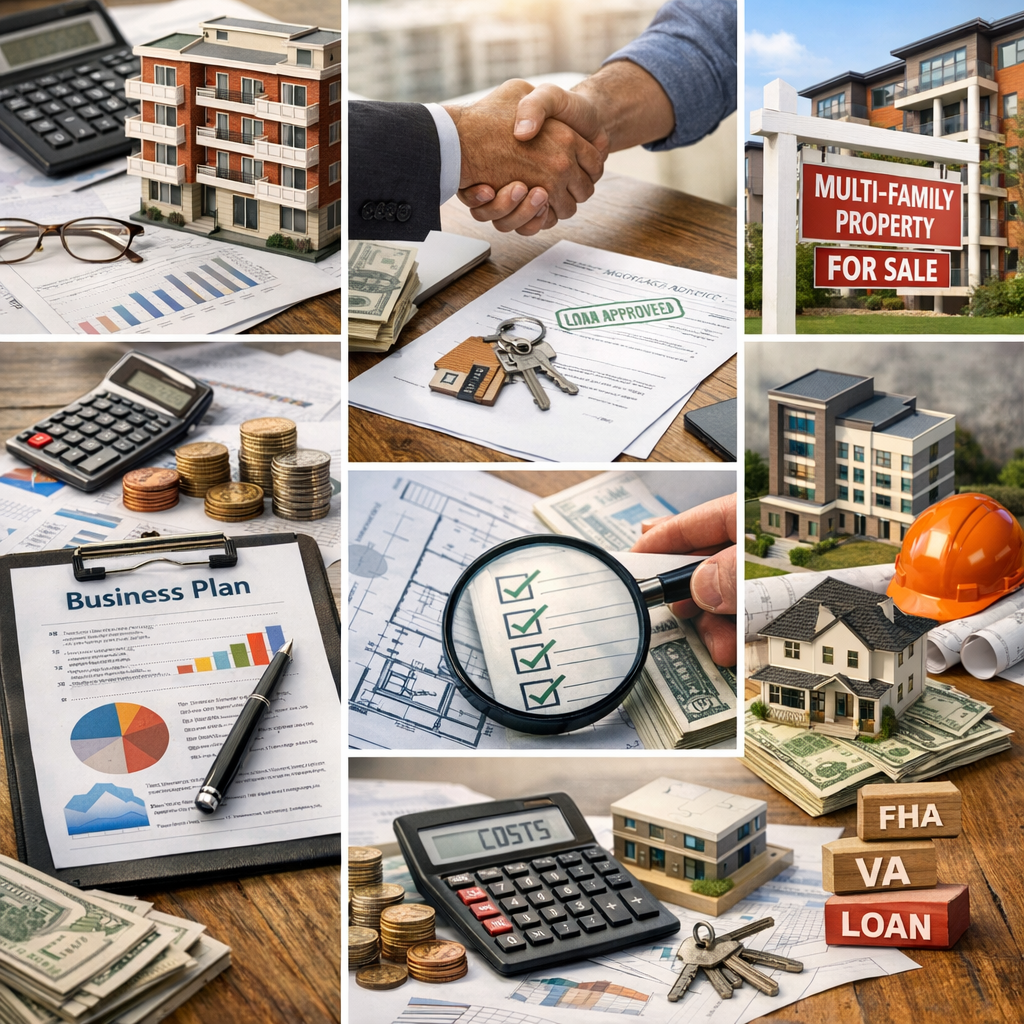
Financing a Multi-Family Property: Lessons Learned
The article “Financing a Multi-Family Property: Lessons Learned” provides insights into the complexities of financing multi-family properties. Key lessons include assessing financial health, exploring various financing options like conventional, FHA, VA, and commercial loans, creating a solid business plan, building lender relationships, conducting due diligence, and preparing for unexpected costs.
-

Cash Closings: How They Differ from Financed Purchases
Cash closings are faster and simpler since no lender is involved, while financed purchases require loans, appraisals, and more paperwork. Cash offers reduce risk and speed up deals, but financing preserves liquidity and allows buyers to purchase higher-value properties.
-

Selecting the Perfect Lighting for Each Room
Learn how to choose the perfect lighting for every room. Discover tips for layering ambient, task, and accent lighting to enhance comfort, style, and functionality in living spaces, kitchens, bedrooms, bathrooms, offices, and more.
-

Reverse Mortgages: Benefits and Considerations
A reverse mortgage lets homeowners 62+ convert home equity into cash without monthly payments. It offers income flexibility and ownership retention but adds interest, reduces inheritance, and has costs. Careful evaluation and professional advice are essential before proceeding.
-

Rural Retreats: The Growing Appeal of Countryside Living
More people are leaving cities for the countryside, drawn by space, peace, and community. Remote work, health benefits, and sustainability drive this shift, though rural life has challenges. The trend reflects a desire for balance, wellbeing, and a deeper connection to nature.
-

The Increase of Co-Living Spaces in Urban Areas
Co-living spaces are growing in cities as affordable, community-focused housing. Driven by high rents, flexible lifestyles, and remote work, they offer shared amenities and social connection. Despite privacy and regulation challenges, co-living is shaping the future of urban living.
-

Avoiding Common Pitfalls in Home Searching
Avoid common home-buying mistakes by setting a realistic budget, researching neighborhoods, planning for future needs, getting inspections, staying objective, comparing options, considering resale value, and working with a qualified agent for a confident, informed purchase.
-

Evaluating Property History in Your Home Search
Evaluating a property’s history helps homebuyers uncover issues, assess value, and make informed decisions. Reviewing ownership, renovations, maintenance, market trends, and insurance records reveals insights that guide negotiations and protect your investment.
-

Portfolio Loans for Real Estate: Flexibility for Unique Financial Situations
Portfolio loans offer flexible real estate financing for borrowers with unique financial situations. Unlike conventional mortgages, they stay with the lender, allowing customized terms and broader qualification criteria—ideal for self-employed individuals and real estate investors.
-

The Importance of Credit Health in Real Estate Investing
The article emphasizes the importance of credit health in real estate investing, highlighting its impact on securing financing, negotiating terms, and managing risks. It explains credit health as a measure of creditworthiness and offers tips for improvement, such as timely payments, reducing debt, monitoring credit reports, and limiting new credit applications.
-

Creative Financing: Using Credit to Unlock Real Estate Opportunities
The article discusses creative financing in real estate, emphasizing the use of credit to unlock opportunities. It explores strategies like HELOCs, credit cards, personal loans, and seller financing to enhance purchasing power and flexibility. While these methods offer benefits, they also carry risks like interest costs and debt management challenges.
-

Loan Modification: An Alternative to Foreclosure
Loan modification helps homeowners avoid foreclosure by adjusting mortgage terms to make payments affordable. It may involve lowering interest rates, extending loan terms, or reducing principal, offering financial relief and stability for borrowers while minimizing losses for lenders.
You must be logged in to post a comment.